
Revolutionizing Packaging: The Impact of Automated Material Packing Machines
The Evolution of Material Packing Machines
Over the years, the packaging industry has witnessed a significant transformation with the introduction of automated material packing machines. These machines have revolutionized the way products are packed, increasing efficiency, reducing costs, and improving overall productivity.
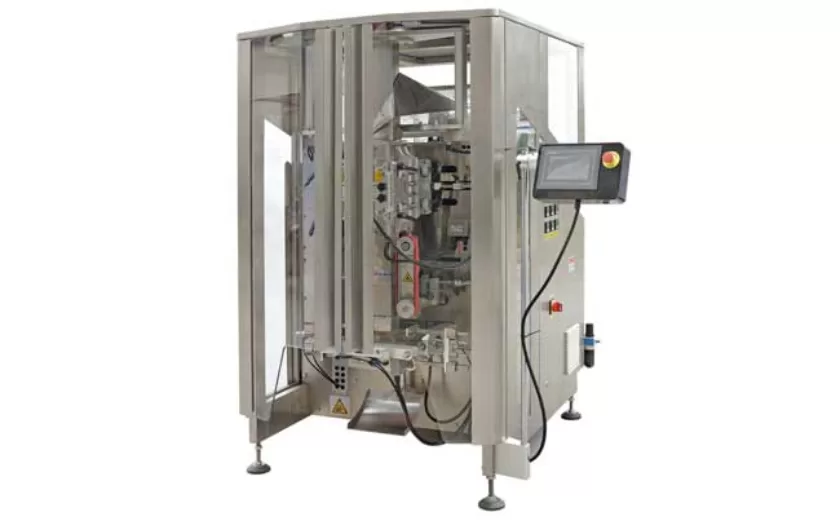
Automated material packing machines come in various types, including vertical form fill seal machines, cartoners, case packers, and palletizers. Each type caters to specific packaging needs, offering advanced features that streamline the packing process.
Benefits of Automated Material Packing Machines
One of the key advantages of using automated material packing machines is speed. These machines can pack products at a much faster rate than manual labor, increasing output and meeting tight deadlines. Moreover, they ensure consistency in packaging, reducing errors and rework.
Another benefit is the flexibility that automated material packing machines offer. They can handle a wide range of product sizes and shapes, making them ideal for industries with diverse packaging requirements. This versatility allows companies to adapt quickly to changing market demands.
The Future of Packaging
As technology continues to advance, the future of packaging looks promising. Automated material packing machines are becoming more sophisticated, incorporating artificial intelligence and machine learning algorithms to optimize the packing process further. This evolution will result in even greater efficiency and accuracy in packaging operations.
Furthermore, sustainability is a key focus for the packaging industry. Automated material packing machines are designed to minimize waste by using precise measurements and environmentally friendly materials. By reducing packaging waste, companies can contribute to a greener and more sustainable future.
Challenges and Opportunities
Despite the numerous benefits, incorporating automated material packing machines into existing packaging lines can pose challenges. Companies need to invest in training their workforce to operate and maintain these machines effectively. Additionally, the initial capital investment required for automation can be substantial.
However, the long-term benefits far outweigh the challenges. Companies that embrace automation in packaging gain a competitive edge by improving efficiency, reducing costs, and enhancing product quality. The opportunities for growth and innovation are vast in an increasingly automated world.
In Conclusion
The adoption of automated material packing machines represents a significant milestone in the packaging industry. By embracing automation, companies can optimize their packing processes, achieve higher productivity, and contribute to a more sustainable future. As technology continues to evolve, the role of automated material packing machines will only grow in importance, shaping the future of packaging.


-
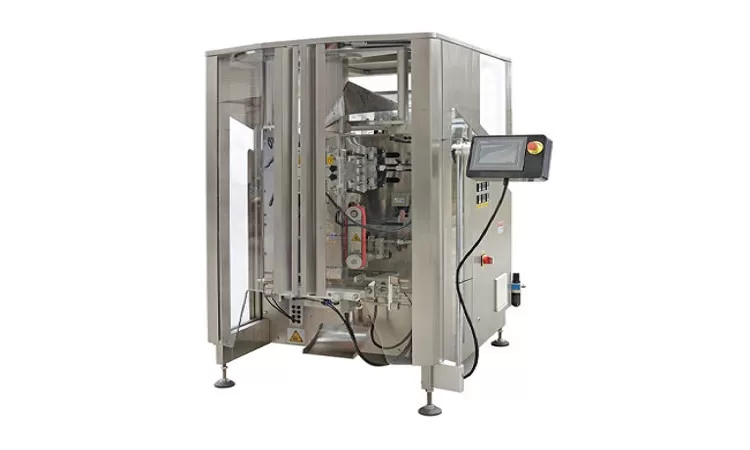
VFFS Equipment: The Ultimate Guide to Vertical Form Fill Seal Technology
13-03-2026 -
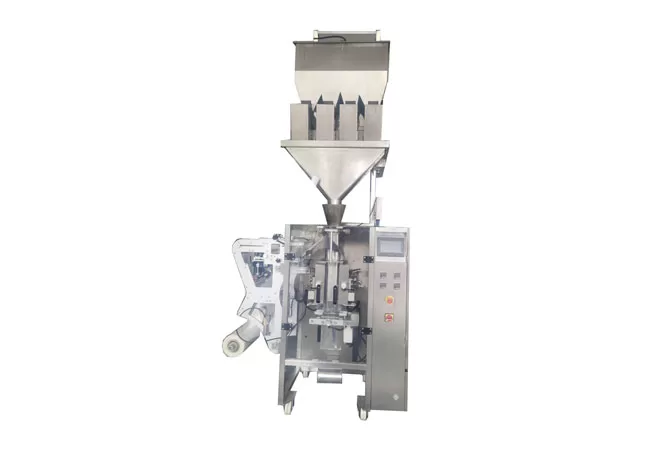
The Essential Guide to Weight Packing Machines for Precision Weighing
12-03-2026 -
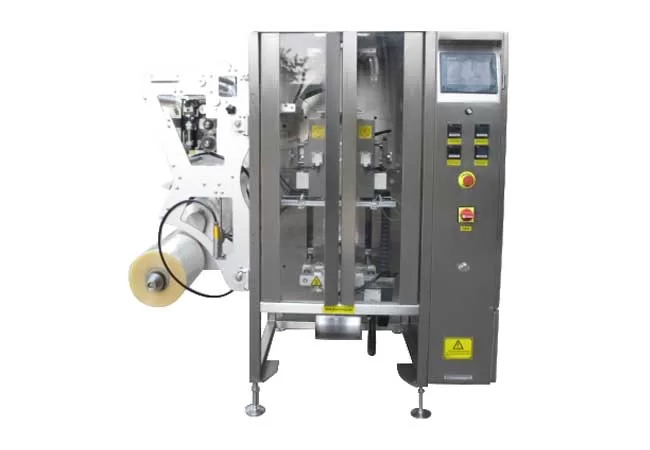
Power Packing Machine: The Ultimate Guide to Heavy-Duty Packaging Efficiency
11-03-2026 -
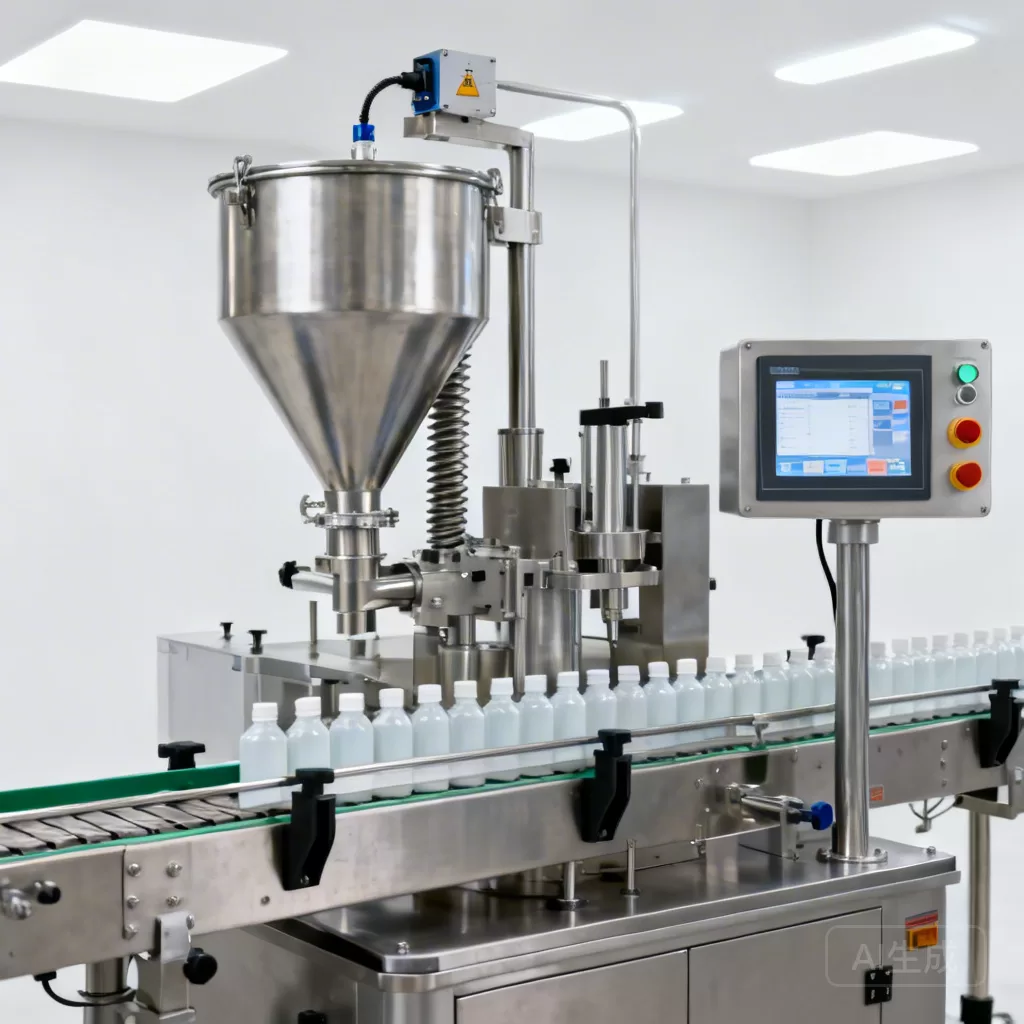
Weigher Packing Machine: The Definitive Guide to Precision Weighing & Packaging
10-03-2026 -
Auger Type Powder Filling Machine: The Ultimate Guide to Precision Packaging
09-03-2026 -
Advanced Packing Solutions: Snacks, Sugar, and Frozen Food Machines
29-10-2025 -
Efficient and Reliable Solutions for Salt, Nuts, and Frozen Dumplings Packing
29-10-2025 -
High-Performance Biscuits, Lollipop, and Ketchup Packing Machines for Modern Food Production
29-10-2025 -
Efficient Liquid Filling and Packing Machines for Modern Production
23-10-2025 -
Reliable Granule Packaging Machines for Efficient Production
23-10-2025
