
Packaged Food Inspection: Ensuring Safety and Quality
The Importance of Packaged Food Inspection
When it comes to buying food products, consumers expect them to be safe for consumption. This is where packaged food inspection plays a crucial role. From ensuring nutritional value to checking for contaminants, the inspection process covers a wide range of aspects.
One of the primary reasons why packaged food inspection is vital is to prevent health risks. Contaminated food can lead to foodborne illnesses, which can have severe consequences. By implementing strict inspection measures, food regulatory bodies can mitigate such risks and protect public health.
The Process of Packaged Food Inspection
Food inspection involves various steps to guarantee the safety and quality of packaged products. It begins with visual inspection, where inspectors assess the packaging for any damages or tampering. Next, they might conduct tests to check for contaminants such as pesticides, heavy metals, or pathogens.
Moreover, inspectors also verify if the nutritional information on the packaging is accurate. This includes checking the ingredients list, allergen warnings, and expiration dates. Any discrepancies in this information can lead to non-compliance with food regulations.
The Role of Technology in Food Inspection
With advancements in technology, the process of food inspection has become more efficient and accurate. Automated systems now help in detecting foreign objects in food products, reducing the chances of contamination. Machine learning algorithms analyze data to predict potential hazards and improve inspection outcomes.
Furthermore, blockchain technology is being used to enhance transparency in the food supply chain. By implementing blockchain, companies can track and trace products throughout the supply chain, ensuring their authenticity and quality.
Challenges Faced in Packaged Food Inspection
Despite the advancements in food inspection techniques, there are still challenges that need to be addressed. One such challenge is the rise of counterfeit products in the market. Inspectors need to be vigilant in identifying fake packaging and ensuring that consumers are not misled.
Another challenge is the global nature of the food industry, which makes it difficult to regulate and monitor all packaged products. Different countries have varying food safety standards, leading to discrepancies in inspection protocols.
Conclusion
Ensuring the safety and quality of packaged food products through rigorous inspection processes is essential for protecting consumer health. By staying updated on the latest technologies and addressing existing challenges, the food industry can continue to provide consumers with safe and trustworthy products.


-
VFFS Equipment: The Ultimate Guide to Vertical Form Fill Seal Technology
13-03-2026 -
The Essential Guide to Weight Packing Machines for Precision Weighing
12-03-2026 -
Power Packing Machine: The Ultimate Guide to Heavy-Duty Packaging Efficiency
11-03-2026 -
Weigher Packing Machine: The Definitive Guide to Precision Weighing & Packaging
10-03-2026 -
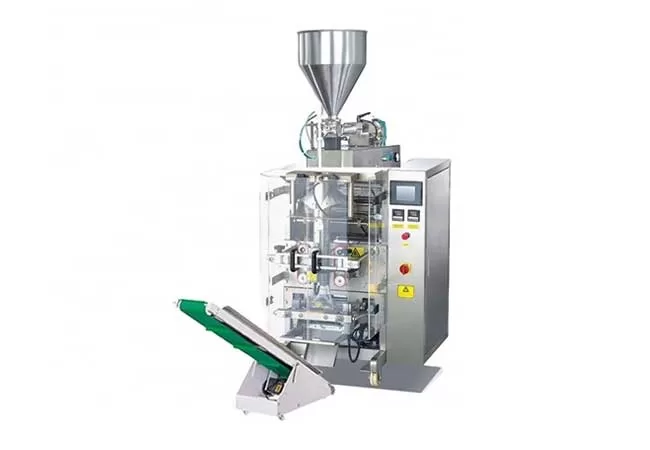
Auger Type Powder Filling Machine: The Ultimate Guide to Precision Packaging
09-03-2026 -
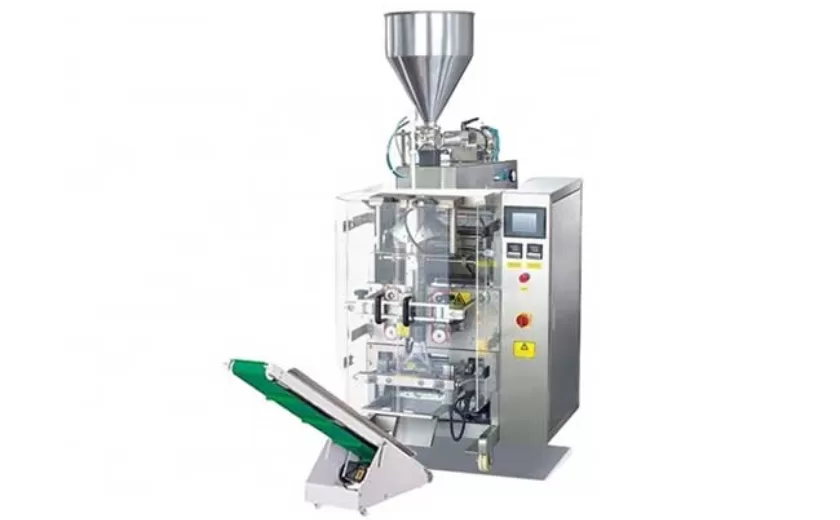
Advanced Packing Solutions: Snacks, Sugar, and Frozen Food Machines
29-10-2025 -
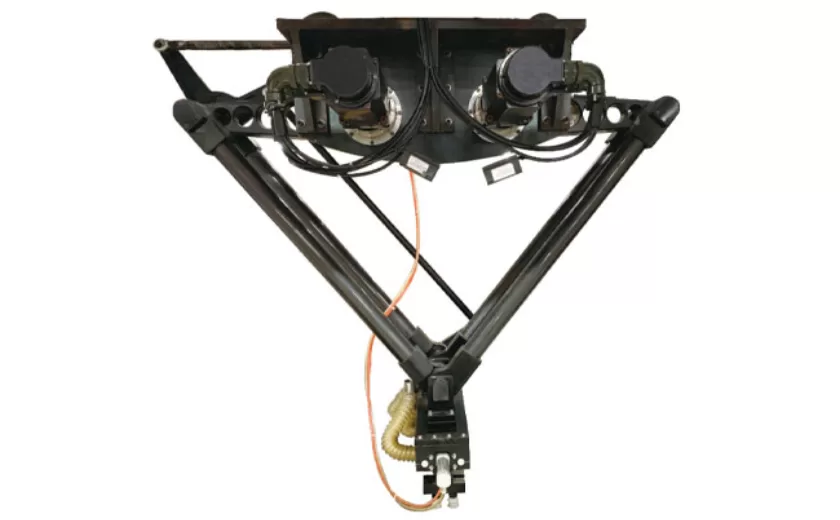
Efficient and Reliable Solutions for Salt, Nuts, and Frozen Dumplings Packing
29-10-2025 -
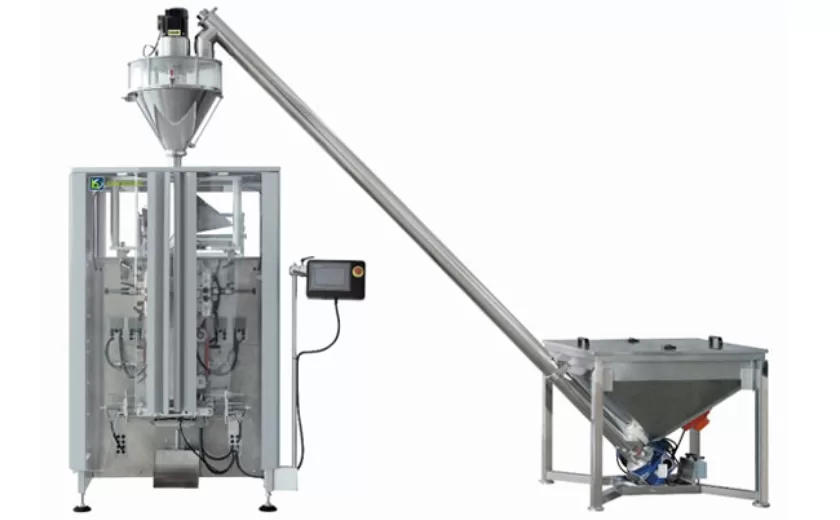
High-Performance Biscuits, Lollipop, and Ketchup Packing Machines for Modern Food Production
29-10-2025 -
Efficient Liquid Filling and Packing Machines for Modern Production
23-10-2025 -
Reliable Granule Packaging Machines for Efficient Production
23-10-2025
