

Weigh Filling Machine: The Ultimate Guide to Precision Packaging Solutions
Understanding Weigh Filling Machines: Core Technology and Industrial Applications
Weigh filling machines are advanced automated systems designed to accurately measure and fill products into containers based on weight. These machines are critical in industries like food, pharmaceuticals, chemicals, and agriculture, where precise portioning is essential for product consistency, regulatory compliance, and customer satisfaction. Unlike volumetric fillers, which measure by volume, weigh filling machines use load cells to ensure exact weight measurements—making them ideal for products with variable density (e.g., grains, snacks, powders).
Key Components of Weigh Filling Machines
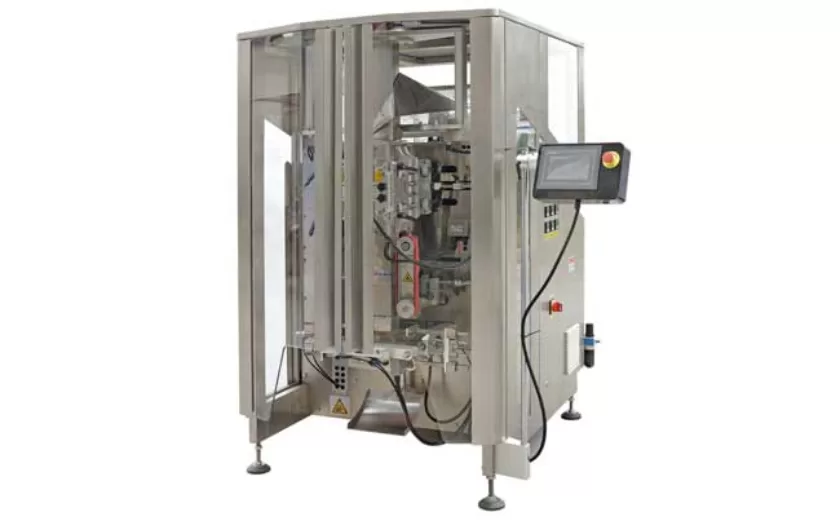
A typical weigh filling machine consists of several critical components that work together to deliver precision and efficiency:
1. Load Cell System: The core component that measures the weight of the product, with high-precision sensors (0.1g accuracy for small products) to ensure consistency.
2. Hopper: Stores the product before filling, with agitation systems to prevent bridging (for powders) or clumping (for granular goods).
3. Filling Nozzle: Delivers the product to the container, with adjustable speed to minimize product splash or dust.
4. Control Panel: A user-friendly interface that allows operators to set target weights, adjust filling speeds, and monitor machine performance.
5. Container Handling System: Transports containers to and from the filling station, with sensors to detect empty containers and prevent overfilling.
Types of Weigh Filling Machines
Weigh filling machines are categorized based on their design and application to meet specific industry needs:
1. Gravimetric Weigh Fillers: Measure the product’s weight directly using load cells, ideal for high-precision applications (e.g., pharmaceuticals, expensive chemicals).
2. Net Weigh Fillers: Weigh the product after it’s transferred to the container, ensuring exact net weight (critical for regulatory compliance).
3. Gross Weigh Fillers: Weigh the container and product together, then subtract the container’s tare weight to get the net product weight.
4. Auger Weigh Fillers: Combine an auger (for powder handling) with a load cell system, ideal for fine powders like flour or spices.
5. Multi-Head Weigh Fillers: Use multiple load cells to fill multiple containers simultaneously, suitable for high-volume production lines (e.g., snack food packaging).
Benefits of Implementing Weigh Filling Machines
Weigh filling machines offer a range of advantages over manual or volumetric filling methods, making them a strategic investment for modern manufacturing facilities.
Unmatched Precision and Consistency
Weigh filling machines deliver precise weight measurements (±0.1% accuracy for high-end models), ensuring every product meets regulatory standards and customer expectations. This precision reduces product giveaway (overfilling) and underfilling, which can lead to costly recalls or customer complaints.
Enhanced Productivity and Efficiency
Weigh filling machines operate at high speeds—multi-head models can fill up to 200 containers per minute—significantly increasing production output compared to manual labor. Automated systems also reduce labor costs and minimize human error, making them ideal for high-volume production lines.
Regulatory Compliance
Many industries (e.g., food, pharmaceuticals) require strict adherence to weight standards. Weigh filling machines provide traceable weight data, which is essential for compliance with regulations like the FDA’s Good Manufacturing Practices (GMP) or the EU’s Food Safety Regulations.
Versatility and Adaptability
Weigh filling machines can handle a wide range of products—from fine powders and granular goods to liquids and semi-solids. They can also be adjusted to fill different container sizes (from small sachets to large drums) and weights (from a few grams to hundreds of kilograms), making them ideal for businesses with diverse product lines.
Key Considerations for Choosing Weigh Filling Machines
Selecting the right weigh filling machine requires careful evaluation of your specific production needs. Here are critical factors to consider:
Product Characteristics
The type of product you handle will determine the machine’s design:
• Powders: Require auger systems or anti-bridging hoppers to prevent clumping.
• Granular goods: Need gentle handling to avoid damage (e.g., fragile snacks).
• Liquids: Require specialized nozzles to prevent splashing and ensure accurate weight measurements.
• Sticky products: May need heated nozzles or non-stick surfaces to prevent product buildup.
Production Volume and Throughput
Match the machine’s speed to your production needs:
• Low-volume operations: Single-head weigh fillers with a throughput of 20–50 containers per minute are sufficient.
• High-volume lines: Multi-head weigh fillers (4–12 heads) with a throughput of 100–200 containers per minute are necessary to avoid bottlenecks.
Accuracy Requirements
Determine the level of precision you need:
• Pharmaceuticals or expensive chemicals: Require high-precision machines (±0.1% accuracy).
• Food or consumer goods: May use standard precision machines (±0.5% accuracy) to balance cost and performance.
Integration with Existing Systems
Ensure the weigh filling machine can integrate with your existing packaging line (e.g., labeling machines, cartoners) to create a seamless workflow. Look for machines with modular designs that allow for easy upgrades or modifications.
Future Trends in Weigh Filling Machines
The weigh filling machine industry is evolving rapidly, driven by technological advancements and changing consumer demands. Here are key trends shaping the future:
Industry 4.0 Integration
Modern weigh filling machines are integrating IoT (Internet of Things) and AI (Artificial Intelligence) technologies to enable real-time monitoring, predictive maintenance, and remote control. For example, sensors can detect load cell drift or product buildup, triggering automatic adjustments to maintain accuracy. AI algorithms can also optimize filling speeds based on product characteristics, reducing waste and improving efficiency.
Sustainable Packaging Solutions
As environmental concerns grow, weigh filling machines are being designed to reduce product waste and energy consumption. Some machines feature energy-efficient motors and sensors that minimize power usage, while others use recycled materials for components. Additionally, precision filling reduces product giveaway, which lowers the environmental impact of production.
Smart Data Analytics
Weigh filling machines are now equipped with data analytics tools that track filling accuracy, machine uptime, and product waste. This data can be used to optimize production processes, reduce costs, and improve product quality. For example, analytics can identify patterns in product giveaway and suggest adjustments to filling parameters.
At Baopack Machinery, we specialize in providing high-quality weigh filling machine solutions tailored to your business needs. Our machines are designed to deliver precision, efficiency, and compliance—helping you reduce costs and improve product quality. Whether you need a standard system or a customized solution, our team of experts can help you find the right weigh filling machine for your production line. Contact us today to learn more about our products and how we can optimize your packaging operations.


-
VFFS Equipment: The Ultimate Guide to Vertical Form Fill Seal Technology
13-03-2026 -
The Essential Guide to Weight Packing Machines for Precision Weighing
12-03-2026 -
Power Packing Machine: The Ultimate Guide to Heavy-Duty Packaging Efficiency
11-03-2026 -
Weigher Packing Machine: The Definitive Guide to Precision Weighing & Packaging
10-03-2026 -
Auger Type Powder Filling Machine: The Ultimate Guide to Precision Packaging
09-03-2026 -
Advanced Packing Solutions: Snacks, Sugar, and Frozen Food Machines
29-10-2025 -
Efficient and Reliable Solutions for Salt, Nuts, and Frozen Dumplings Packing
29-10-2025 -
High-Performance Biscuits, Lollipop, and Ketchup Packing Machines for Modern Food Production
29-10-2025 -
Efficient Liquid Filling and Packing Machines for Modern Production
23-10-2025 -
Reliable Granule Packaging Machines for Efficient Production
23-10-2025
