
The Economics of Soap Powder Packing- A Comprehensive Overview
Introduction
In the realm of household cleaning products, the humble soap powder stands as a ubiquitous necessity, tucked away in laundry rooms and under kitchen sinks around the globe. While its everyday presence may belie its inherent complexity, the economics of soap powder packing present a fascinating tapestry of market forces, consumer preferences, and sustainable considerations.
Market Dynamics
The soap powder industry is a highly competitive one, with established brands battling for market share. Manufacturers must navigate a delicate balance between maximizing profitability and meeting consumer demands. The cost of raw materials, such as surfactants and enzymes, plays a significant role in determining production expenses. Additionally, packaging costs, including the design and manufacture of containers, can account for a substantial portion of the overall cost structure.
Consumer Preferences
Consumers have diverse preferences when it comes to soap powder packaging. Some prioritize convenience, opting for containers that are easy to open and pour. Others prefer bulk packaging options to minimize waste and save money. Environmental concerns are also gaining prominence, with consumers seeking sustainable packaging solutions. Manufacturers must adapt their packaging strategies to cater to these evolving preferences.
Environmental Considerations
The environmental impact of soap powder packaging has come under increasing scrutiny. Traditional plastic containers can end up in landfills or pollute oceans. To address this, manufacturers are exploring biodegradable and recyclable materials, such as plant-based polymers and paper packaging. The cost of implementing sustainable packaging practices can be significant, but it can also enhance a brand’s reputation and appeal to environmentally conscious consumers.
Technological Advancements
Technological advancements are also shaping the economics of soap powder packing. Innovative dispensing systems, such as pods and capsules, offer convenience and reduce the risk of spills. Smart packaging solutions, such as RFID tags and QR codes, can provide consumers with product information and instructions. These technologies can increase production costs, but they also improve the user experience and can lead to increased sales.
The economics of soap powder packing is a dynamic field influenced by market forces, consumer preferences, environmental considerations, and technological advancements. By understanding the complexities of this industry, manufacturers can optimize their packaging strategies to maximize profitability, meet consumer demands, and address sustainability concerns. As the industry continues to evolve, it will be fascinating to observe how these factors intersect and shape the future of soap powder packaging.


-
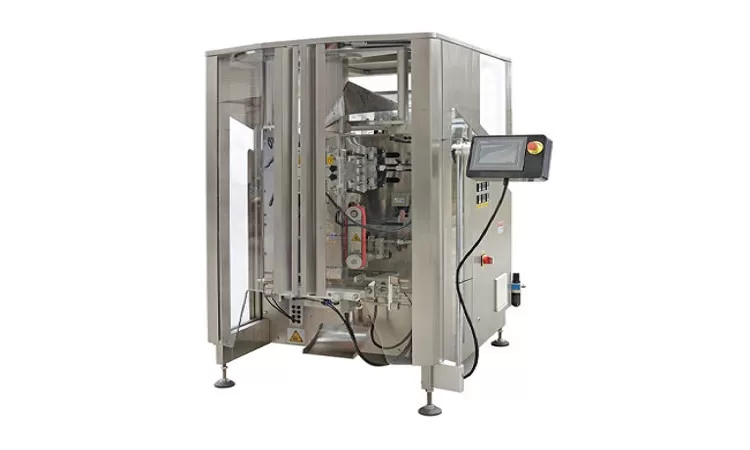
VFFS Equipment: The Ultimate Guide to Vertical Form Fill Seal Technology
13-03-2026 -
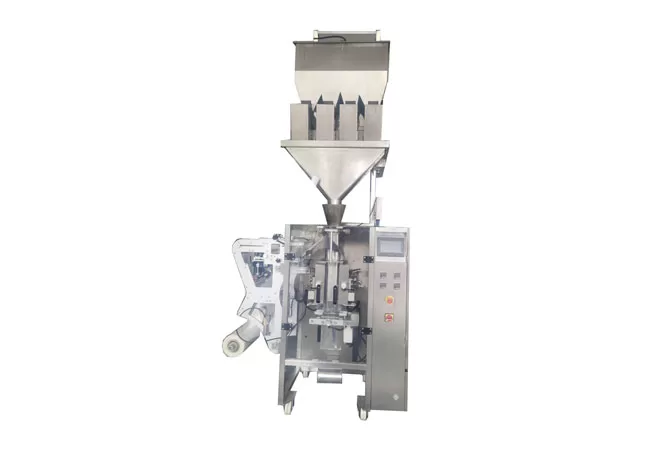
The Essential Guide to Weight Packing Machines for Precision Weighing
12-03-2026 -
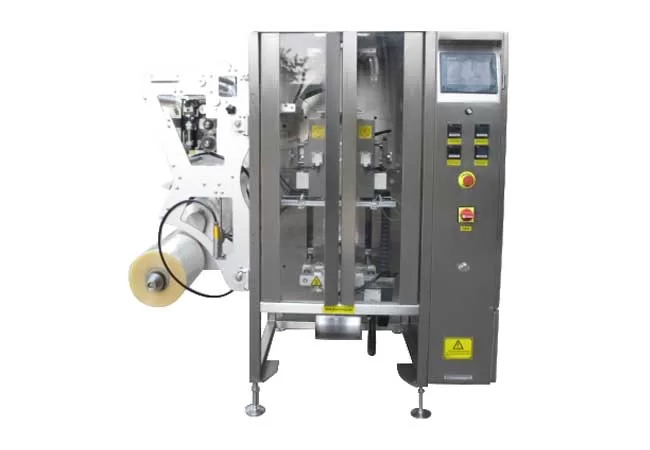
Power Packing Machine: The Ultimate Guide to Heavy-Duty Packaging Efficiency
11-03-2026 -
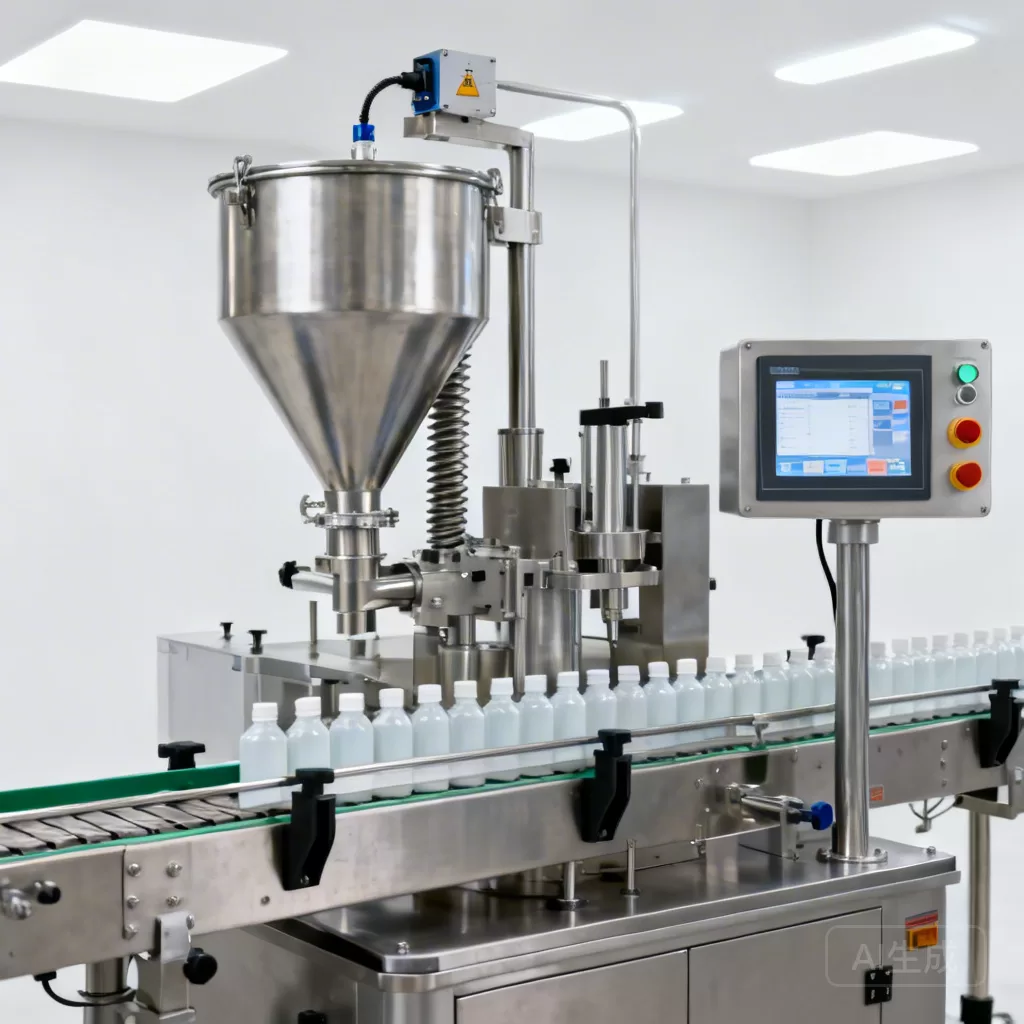
Weigher Packing Machine: The Definitive Guide to Precision Weighing & Packaging
10-03-2026 -
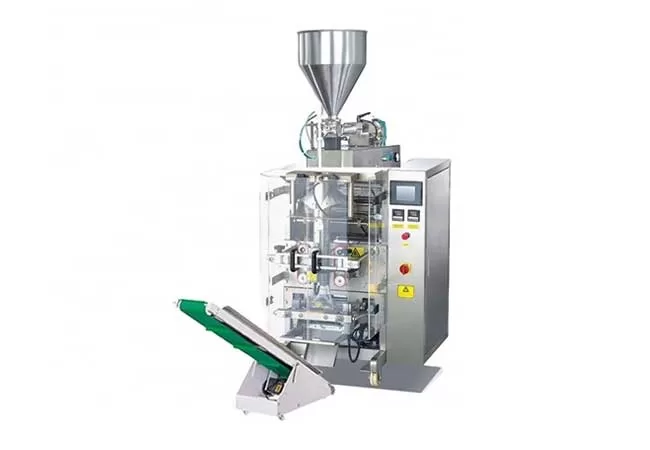
Auger Type Powder Filling Machine: The Ultimate Guide to Precision Packaging
09-03-2026 -
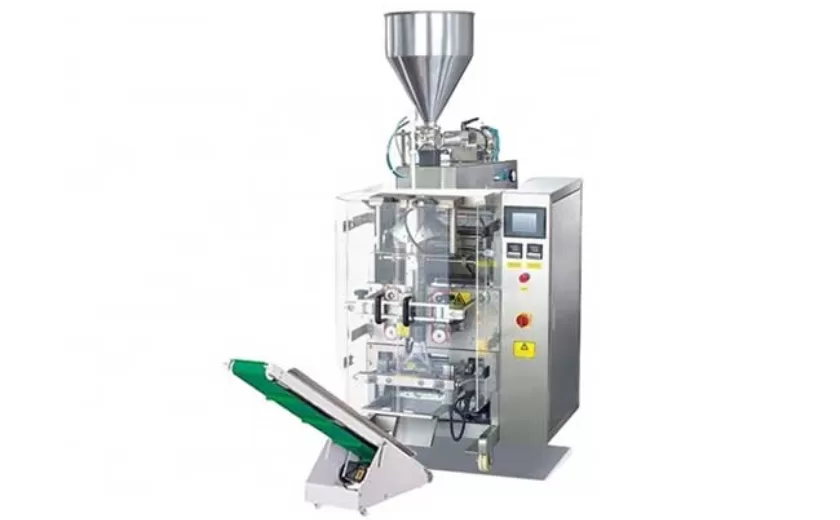
Advanced Packing Solutions: Snacks, Sugar, and Frozen Food Machines
29-10-2025 -
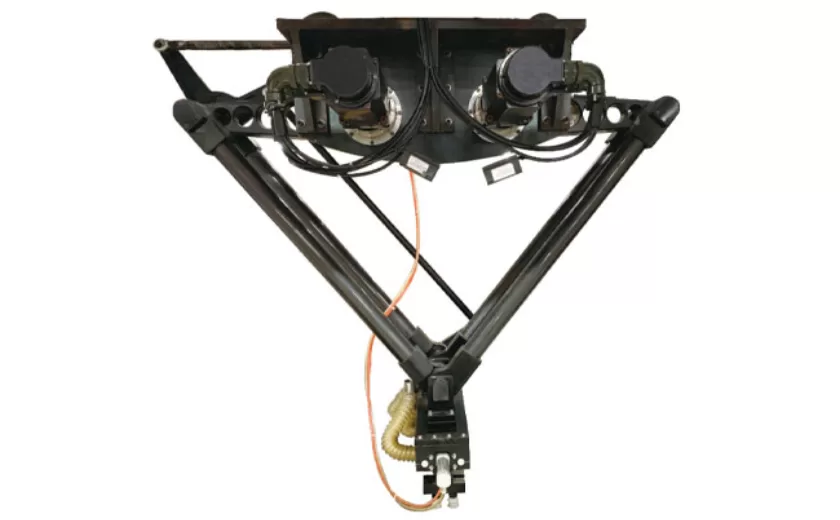
Efficient and Reliable Solutions for Salt, Nuts, and Frozen Dumplings Packing
29-10-2025 -
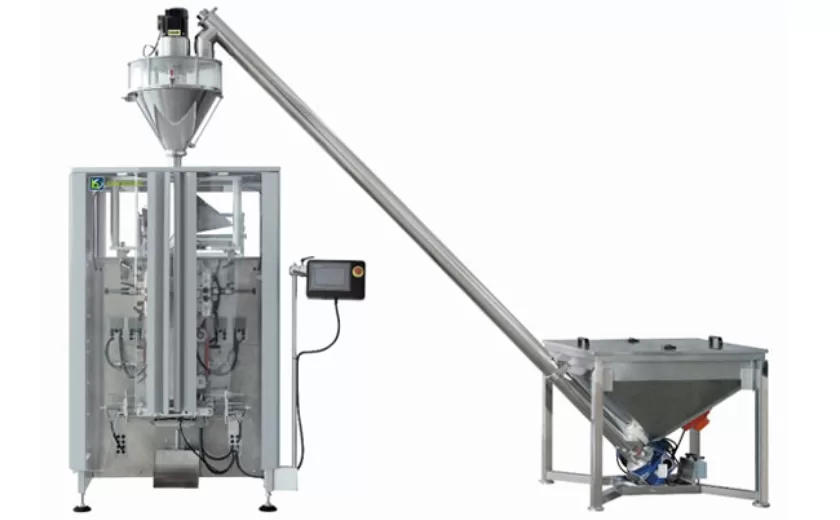
High-Performance Biscuits, Lollipop, and Ketchup Packing Machines for Modern Food Production
29-10-2025 -
Efficient Liquid Filling and Packing Machines for Modern Production
23-10-2025 -
Reliable Granule Packaging Machines for Efficient Production
23-10-2025
