
Environmental Considerations in Liquid Pouch Packaging
In the realm of packaging, sustainability has become a paramount concern. As consumers and corporations alike strive to reduce their environmental footprint, liquid pouch packaging has emerged as a promising alternative to traditional packaging methods due to its significant environmental advantages. This article delves into the essential environmental considerations that make liquid pouch packaging an eco-friendly choice.
Material Sustainability
Liquid pouches are primarily composed of flexible plastic materials, such as polyethylene and polyethylene terephthalate (PET). These materials are lightweight, durable, and offer excellent barrier properties, preventing the loss of product quality and contamination from external factors. However, traditional plastic packaging has been associated with waste and pollution concerns.
To address these concerns, liquid pouch manufacturers have developed innovative sustainable materials. Recyclable, biodegradable, and compostable plastics have gained prominence, providing a viable solution for end-of-life management. These materials decompose naturally within a specified timeframe, minimizing their environmental impact.
Reduced Material Consumption
Compared to rigid containers such as glass bottles and metal cans, liquid pouches require significantly less material for packaging the same amount of liquid. The flexible nature of pouches allows them to conform to the shape of their contents, eliminating wasted space and reducing the overall material consumption.
The lightweight and compact design of pouches also contributes to reduced material usage during transportation. They occupy less storage space, leading to increased load efficiency and reduced carbon emissions associated with transportation.
Energy Efficiency
The production of liquid pouches entails less energy consumption when compared to the manufacture of rigid containers. The flexible nature of pouches requires less energy-intensive processes, such as injection molding or blow molding, typically used for rigid containers.
Additionally, the lightweight nature of pouches reduces energy consumption during transportation as they require less fuel to move. Their compact size and stackability facilitate efficient loading and unloading processes, further contributing to energy savings.
Waste Reduction
Liquid pouches play a significant role in waste reduction by reducing the amount of packaging material that ends up in landfills. Their lightweight and compact design enables easy recycling, as they take up less space in recycling facilities.
The use of sustainable materials further enhances waste management practices. Recyclable pouches can be reprocessed into new materials, while biodegradable and compostable pouches decompose naturally, diverting them from landfills and incinerators.
Environmental considerations are at the forefront of the packaging industry, and liquid pouch packaging offers a sustainable solution for liquid products. The use of sustainable materials, reduced material consumption, energy efficiency, and waste reduction make liquid pouches an environmentally responsible choice. As consumers and corporations prioritize sustainability, liquid pouch packaging is poised to play a significant role in mitigating the environmental impact of packaging and promoting a circular economy.


-
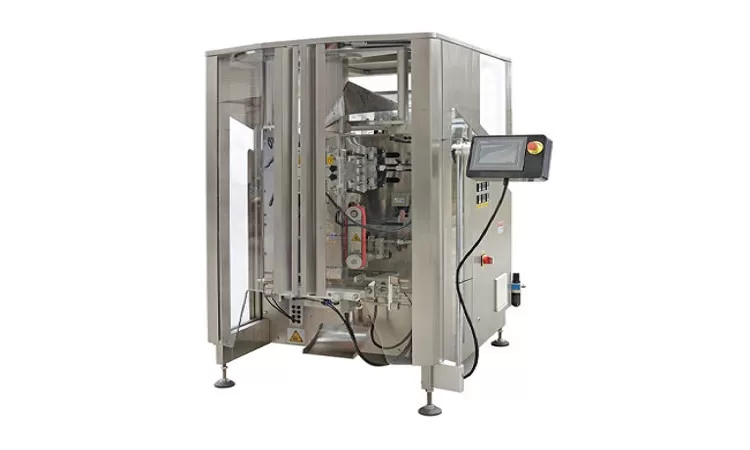
VFFS Equipment: The Ultimate Guide to Vertical Form Fill Seal Technology
13-03-2026 -
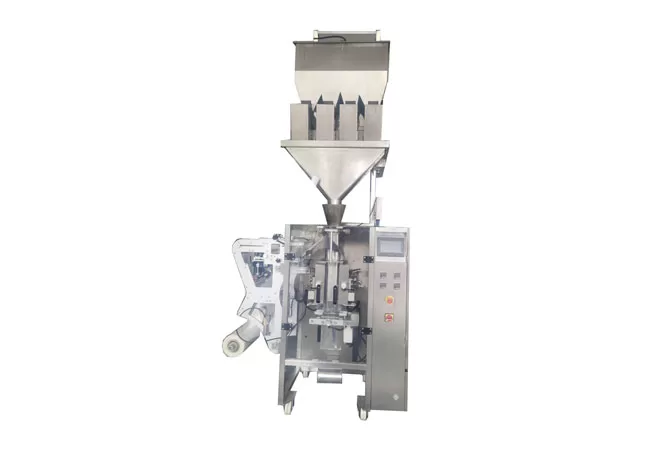
The Essential Guide to Weight Packing Machines for Precision Weighing
12-03-2026 -
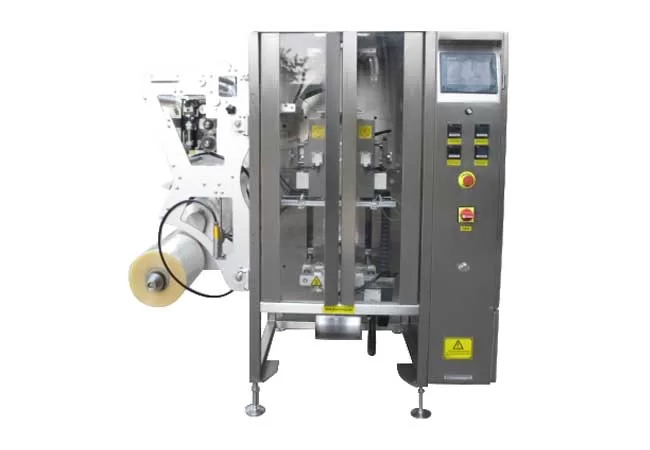
Power Packing Machine: The Ultimate Guide to Heavy-Duty Packaging Efficiency
11-03-2026 -
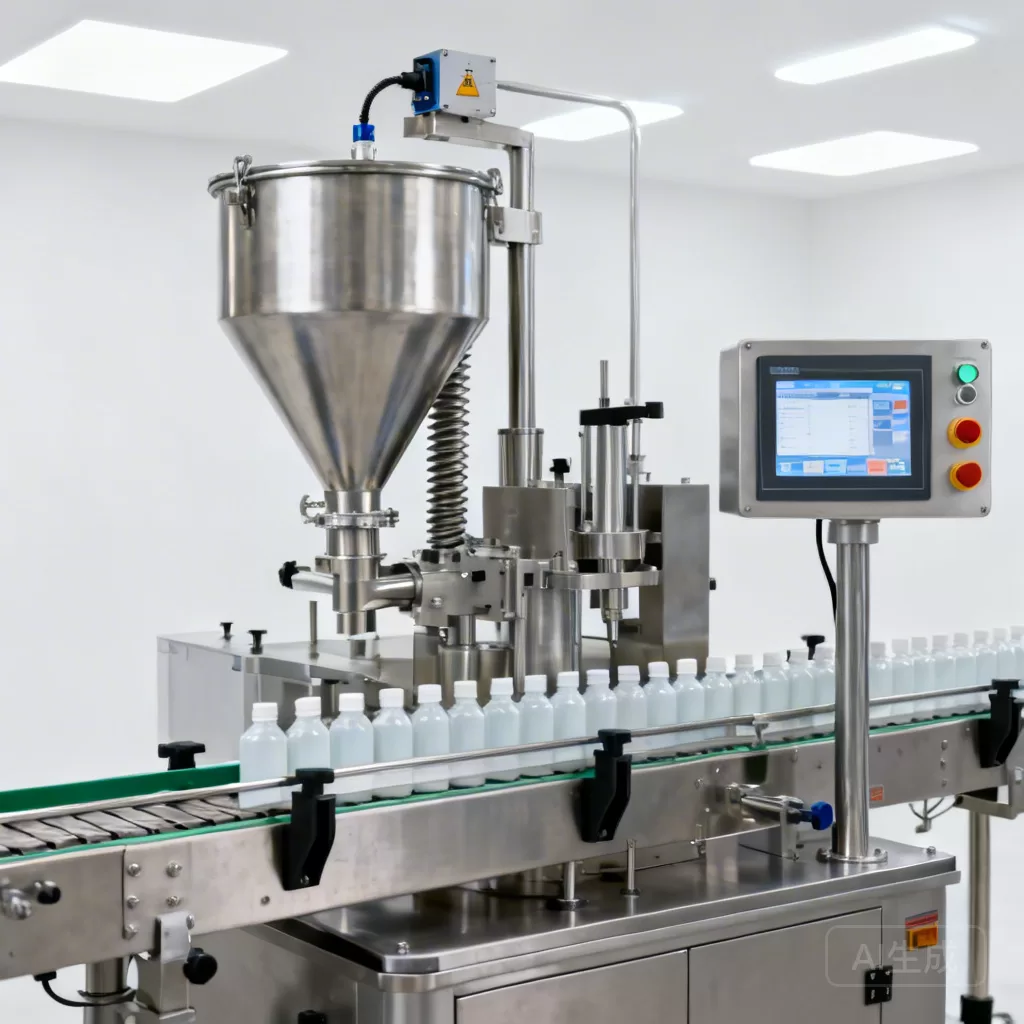
Weigher Packing Machine: The Definitive Guide to Precision Weighing & Packaging
10-03-2026 -
Auger Type Powder Filling Machine: The Ultimate Guide to Precision Packaging
09-03-2026 -
Advanced Packing Solutions: Snacks, Sugar, and Frozen Food Machines
29-10-2025 -
Efficient and Reliable Solutions for Salt, Nuts, and Frozen Dumplings Packing
29-10-2025 -
High-Performance Biscuits, Lollipop, and Ketchup Packing Machines for Modern Food Production
29-10-2025 -
Efficient Liquid Filling and Packing Machines for Modern Production
23-10-2025 -
Reliable Granule Packaging Machines for Efficient Production
23-10-2025
