
What Common Challenges Do Manufacturers Face with Powder Weigh Filling?
Powder weigh filling is a common process in the manufacturing industry. It involves accurately measuring and dispensing powder into containers, such as bottles, bags, or capsules. While this process may seem straightforward, manufacturers often encounter a range of challenges that can impact productivity, efficiency, and product quality. Understanding these challenges is essential for developing effective solutions and optimizing powder weigh filling operations.
Accuracy and Consistency
One of the primary challenges in powder weigh filling is achieving and maintaining accuracy and consistency. Powders can vary in density, particle size, and flowability, making it difficult to dispense precise amounts. Variations in these factors can lead to overfilling or underfilling, resulting in product waste, packaging issues, or non-compliance with quality standards.
Powder Flowability
Powder flowability plays a significant role in powder weigh filling. Poorly flowing powders tend to clump together, bridge in the filling equipment, or stick to the weigh hopper, leading to inaccurate filling and reduced productivity. Manufacturers must address powder flowability issues to ensure smooth and efficient filling operations.
Environmental Conditions
Environmental conditions can significantly impact powder weigh filling. Temperature, humidity, and static charge can affect the flowability and accuracy of powders. Maintaining a controlled environment is crucial to minimize the influence of external factors and ensure consistent filling results.
Equipment Maintenance
Powder weigh filling equipment requires regular maintenance to maintain optimal performance. Improper equipment maintenance can lead to worn parts, malfunctioning sensors, or inaccurate calibration, resulting in inconsistent filling and downtime. Establishing a comprehensive maintenance schedule is essential to minimize equipment failures and downtime.
Product Contamination
Product contamination is a major concern in powder weigh filling operations. Powders can easily absorb moisture or become contaminated with foreign particles during handling or processing. Manufacturers must implement effective measures, such as clean rooms, proper sanitation, and reliable equipment, to prevent product contamination.
Optimization and Process Control
Optimizing powder weigh filling processes involves understanding the system’s capabilities and making adjustments to improve accuracy, efficiency, and productivity. Manufacturers can leverage technologies such as statistical process control, automation, and real-time data analysis to identify areas for improvement and implement effective process optimizations.
Regulatory Compliance
Manufacturers must adhere to stringent regulatory requirements, both for product quality and environmental protection. Powder weigh filling operations must comply with Good Manufacturing Practices (GMP), Good Laboratory Practices (GLP), and other applicable regulations. Maintaining compliance requires thorough documentation, validation protocols, and ongoing quality control measures.


-
VFFS Equipment: The Ultimate Guide to Vertical Form Fill Seal Technology
13-03-2026 -
The Essential Guide to Weight Packing Machines for Precision Weighing
12-03-2026 -
Power Packing Machine: The Ultimate Guide to Heavy-Duty Packaging Efficiency
11-03-2026 -
Weigher Packing Machine: The Definitive Guide to Precision Weighing & Packaging
10-03-2026 -
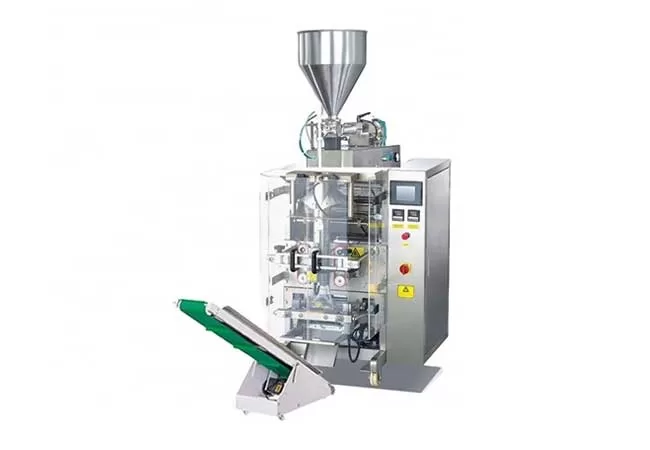
Auger Type Powder Filling Machine: The Ultimate Guide to Precision Packaging
09-03-2026 -
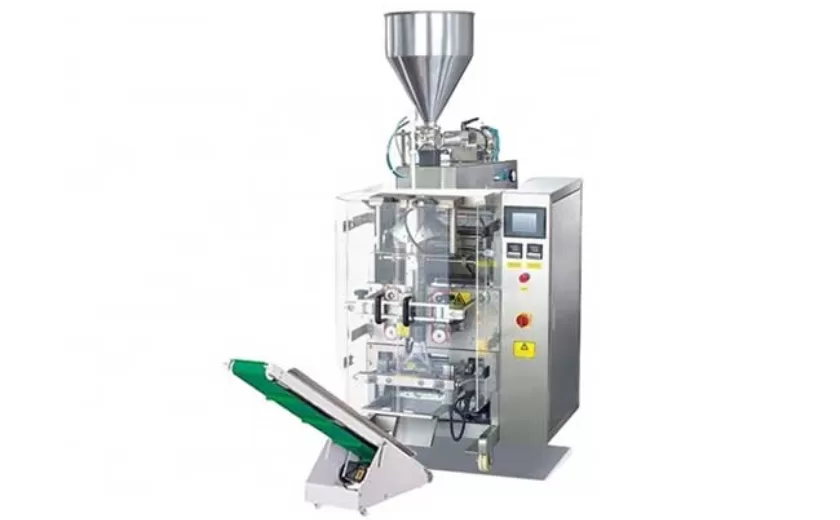
Advanced Packing Solutions: Snacks, Sugar, and Frozen Food Machines
29-10-2025 -
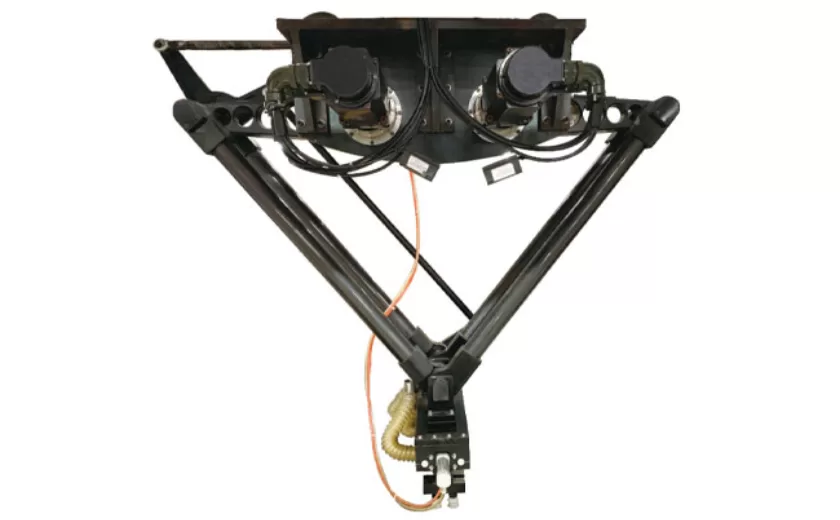
Efficient and Reliable Solutions for Salt, Nuts, and Frozen Dumplings Packing
29-10-2025 -
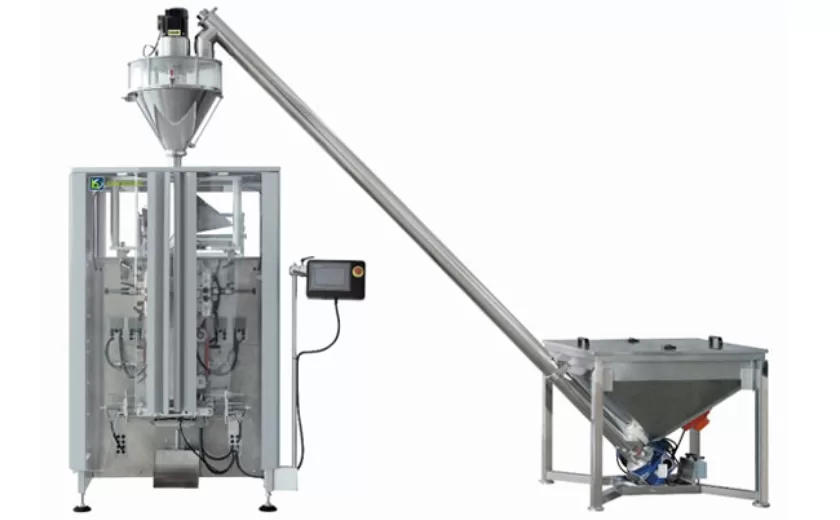
High-Performance Biscuits, Lollipop, and Ketchup Packing Machines for Modern Food Production
29-10-2025 -
Efficient Liquid Filling and Packing Machines for Modern Production
23-10-2025 -
Reliable Granule Packaging Machines for Efficient Production
23-10-2025
