
Why Understanding Jelly Viscosity Matters in Pouch Packing
In the realm of food packaging, pouch packing has emerged as a popular and versatile solution for a wide range of products, including jellies. Jelly, a delectable treat enjoyed by people of all ages, poses unique challenges in terms of packaging, particularly when it comes to viscosity. Understanding the viscosity of jelly is paramount for ensuring optimal product quality, packaging integrity, and consumer satisfaction.
Effects on Package Design and Sealing
Jelly viscosity directly influences the design and sealing of pouches. Pouches designed to accommodate highly viscous jellies require specific features, such as wider openings and stronger seals, to ensure product containment and prevent leakage. Accurate knowledge of jelly viscosity allows manufacturers to tailor pouch dimensions and incorporate appropriate sealing mechanisms to maintain product freshness and prevent spoilage.
Optimization of Filling Processes
Filling pouches with jelly efficiently requires precise control over viscosity. Higher viscosity jellies may require slower filling rates and specialized equipment to prevent clogging and ensure accurate product distribution. By understanding the viscosity of jelly, manufacturers can optimize filling processes, reducing downtime, minimizing product waste, and maintaining production efficiency.
Shelf Stability and Storage Conditions
Jelly viscosity plays a crucial role in shelf stability and appropriate storage conditions. Viscous jellies tend to be more stable, as they are less susceptible to syneresis, a process that separates jelly into liquid and solid phases. Understanding jelly viscosity enables manufacturers to determine ideal storage conditions that preserve product texture, flavor, and nutritional value.
Consumer Experience and Convenience
The viscosity of jelly directly affects the consumer experience. Pouches with appropriate viscosity allow for easy dispensing and controlled application, enhancing convenience and enjoyment. Consumers prefer jellies that spread evenly and smoothly without excessive dripping or resistance. Optimized jelly viscosity ensures a satisfactory eating experience.
Environmental Considerations
Pouches are often made from flexible materials that are prone to stress and tearing. Highly viscous jellies can exert pressure on pouch walls, potentially compromising package integrity. Understanding jelly viscosity allows manufacturers to select materials and pouch designs that can withstand the specific demands of the product, reducing packaging failures and minimizing environmental impact associated with unnecessary waste.
Understanding the viscosity of jelly is essential for successful pouch packing. It influences package design, filling processes, shelf stability, consumer experience, and environmental considerations. By considering the viscosity of jelly and implementing appropriate packaging solutions, manufacturers can deliver high-quality products that meet consumer expectations while ensuring product safety and minimizing waste.


-
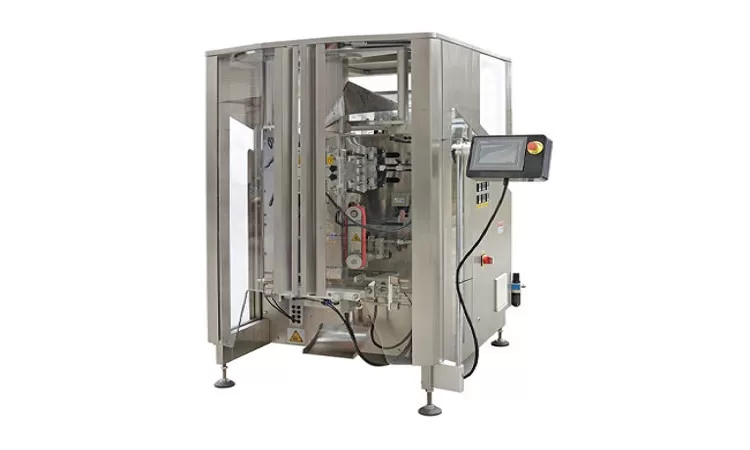
VFFS Equipment: The Ultimate Guide to Vertical Form Fill Seal Technology
13-03-2026 -
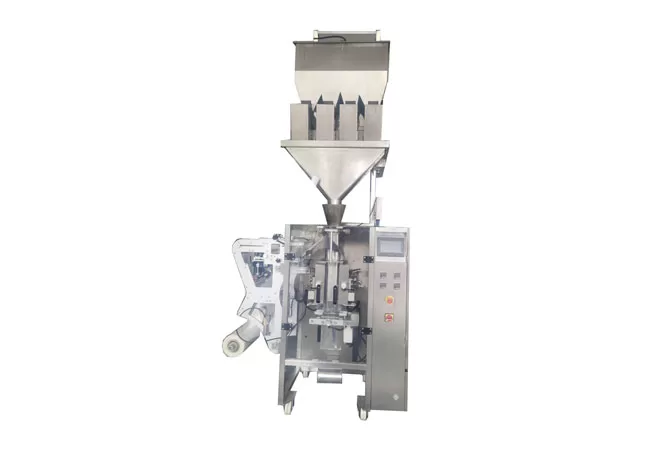
The Essential Guide to Weight Packing Machines for Precision Weighing
12-03-2026 -
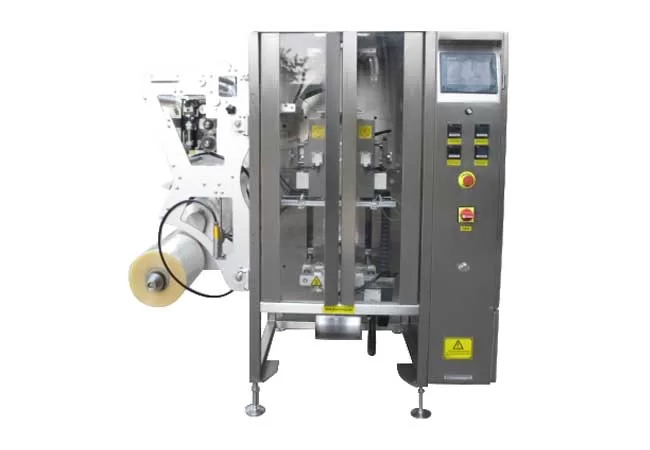
Power Packing Machine: The Ultimate Guide to Heavy-Duty Packaging Efficiency
11-03-2026 -
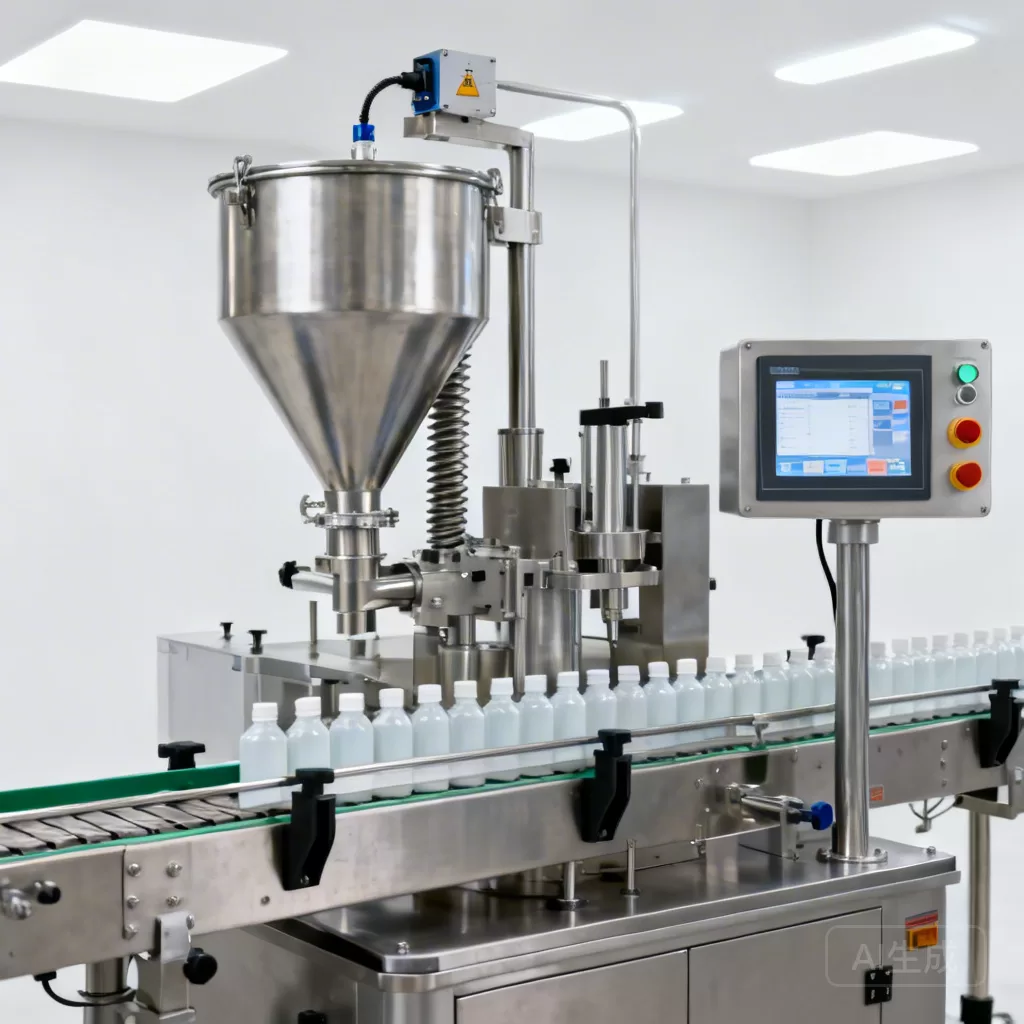
Weigher Packing Machine: The Definitive Guide to Precision Weighing & Packaging
10-03-2026 -
Auger Type Powder Filling Machine: The Ultimate Guide to Precision Packaging
09-03-2026 -
Advanced Packing Solutions: Snacks, Sugar, and Frozen Food Machines
29-10-2025 -
Efficient and Reliable Solutions for Salt, Nuts, and Frozen Dumplings Packing
29-10-2025 -
High-Performance Biscuits, Lollipop, and Ketchup Packing Machines for Modern Food Production
29-10-2025 -
Efficient Liquid Filling and Packing Machines for Modern Production
23-10-2025 -
Reliable Granule Packaging Machines for Efficient Production
23-10-2025
