
Why Proper Calibration Matters in Multihead Weighing Systems
In the world of precision weighing, calibration is paramount. Multihead weighing systems, the intricate marvels of the manufacturing and packaging industry, are no exception. These systems rely on meticulous calibration to ensure accuracy, efficiency, and profitability.
Precision and Accuracy: The Cornerstones of Success
Calibration aligns the scale’s readings with known weights, ensuring that they accurately measure the weight of the products being weighed. Without proper calibration, the system could deviate from the true weight, leading to underfilled packages, product waste, and financial losses. In industries where precision is crucial, such as pharmaceuticals, food processing, and high-value products, inaccurate weighing can have catastrophic consequences.
Efficiency and Productivity: Maximizing Output
Proper calibration optimizes the system’s performance and workflow. A well-calibrated scale reduces the need for manual adjustments and corrections, freeing up operators for more value-added tasks. Minimizing downtime and improving speed ensures maximum productivity and increased throughput.
Consistency and Compliance: Meeting Industry Standards
Calibration maintains the consistency of the weighing process over time. Regular calibration verifies that the system meets industry standards and regulatory requirements. This is crucial for businesses seeking certifications or operating in regulated industries that demand stringent weighing accuracy.
Profitability and ROI: A Wise Investment
Accurate weighing directly impacts profitability. Correctly filled packages reduce product waste, minimize customer complaints, and enhance brand reputation. Additionally, proper calibration optimizes raw material usage, reducing procurement costs and improving overall efficiency. The investment in regular calibration pays dividends in the form of increased profits and a solid return on investment.
Best Practices for Multihead Weighing System Calibration
To ensure optimal performance, multihead weighing systems should be calibrated regularly, typically once per shift or more frequently based on usage and the accuracy requirements of the application. Calibration should be performed by trained and certified technicians using certified weights.
Calibration is the lifeblood of multihead weighing systems. Proper calibration ensures precision, efficiency, consistency, and profitability. By investing in regular calibration, manufacturers can harness the full potential of their weighing systems and elevate their operations to new heights of accuracy, productivity, and financial success.


-
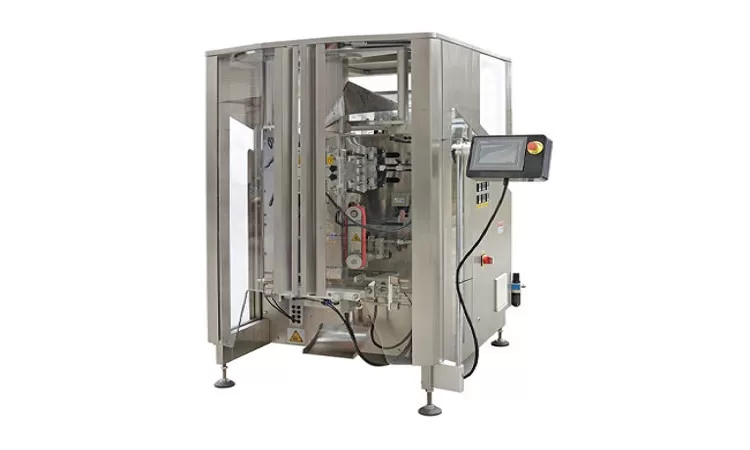
VFFS Equipment: The Ultimate Guide to Vertical Form Fill Seal Technology
13-03-2026 -
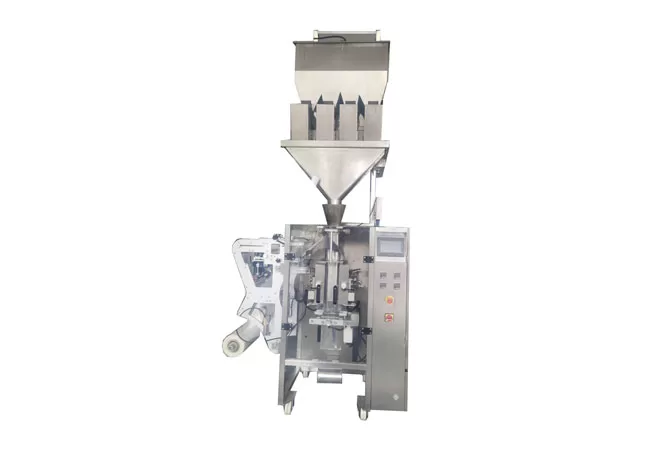
The Essential Guide to Weight Packing Machines for Precision Weighing
12-03-2026 -
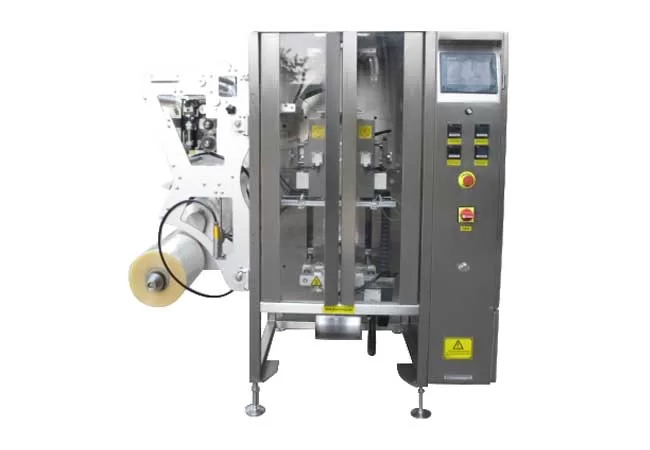
Power Packing Machine: The Ultimate Guide to Heavy-Duty Packaging Efficiency
11-03-2026 -

Weigher Packing Machine: The Definitive Guide to Precision Weighing & Packaging
10-03-2026 -
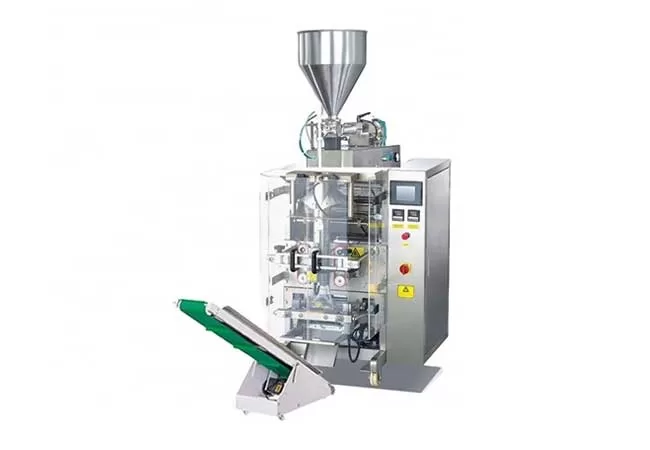
Auger Type Powder Filling Machine: The Ultimate Guide to Precision Packaging
09-03-2026 -
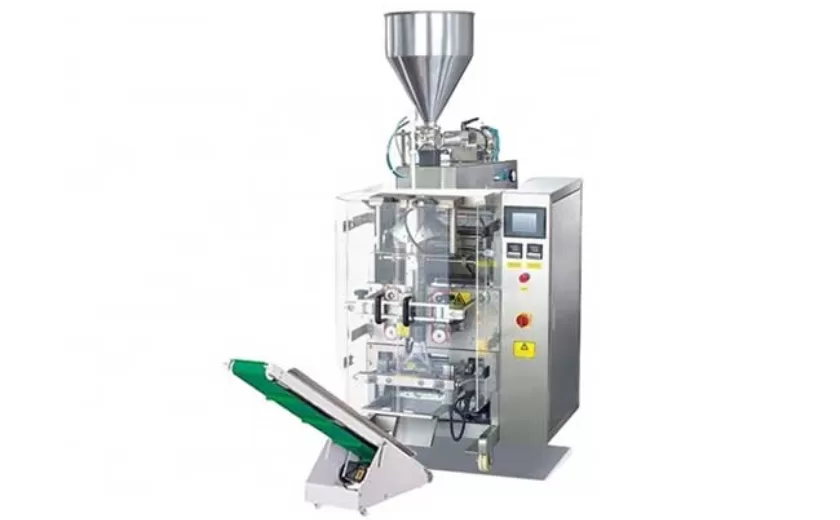
Advanced Packing Solutions: Snacks, Sugar, and Frozen Food Machines
29-10-2025 -
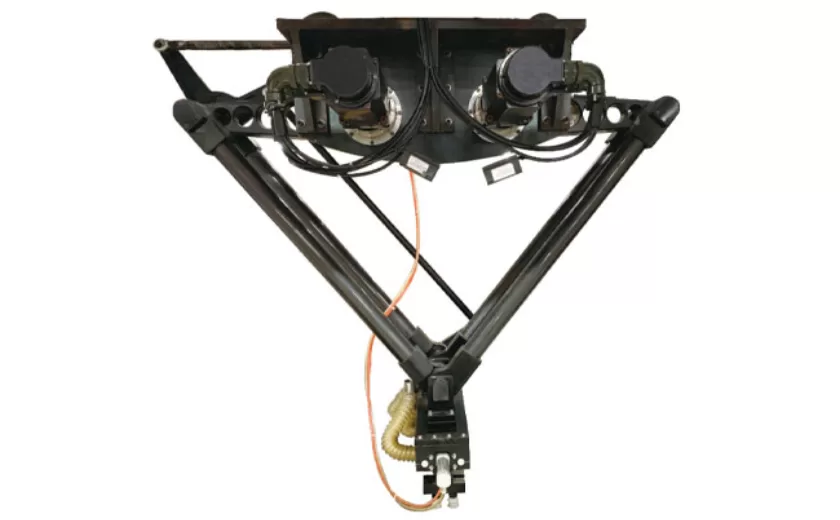
Efficient and Reliable Solutions for Salt, Nuts, and Frozen Dumplings Packing
29-10-2025 -
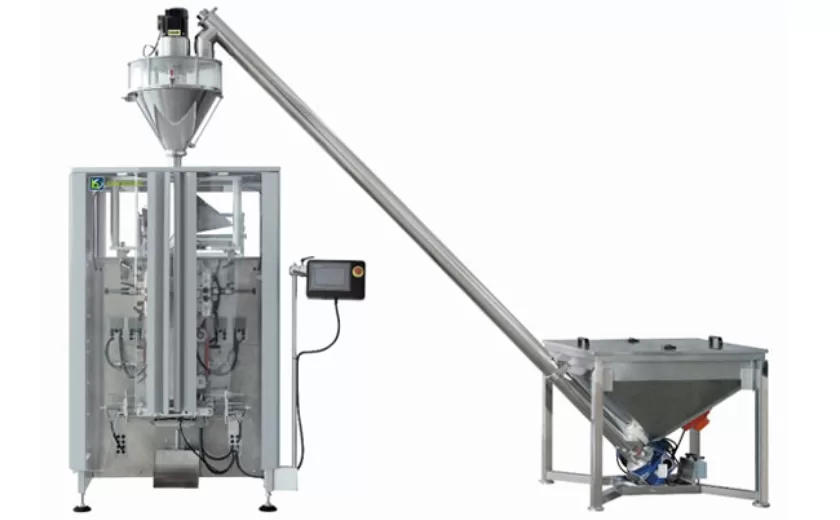
High-Performance Biscuits, Lollipop, and Ketchup Packing Machines for Modern Food Production
29-10-2025 -
Efficient Liquid Filling and Packing Machines for Modern Production
23-10-2025 -
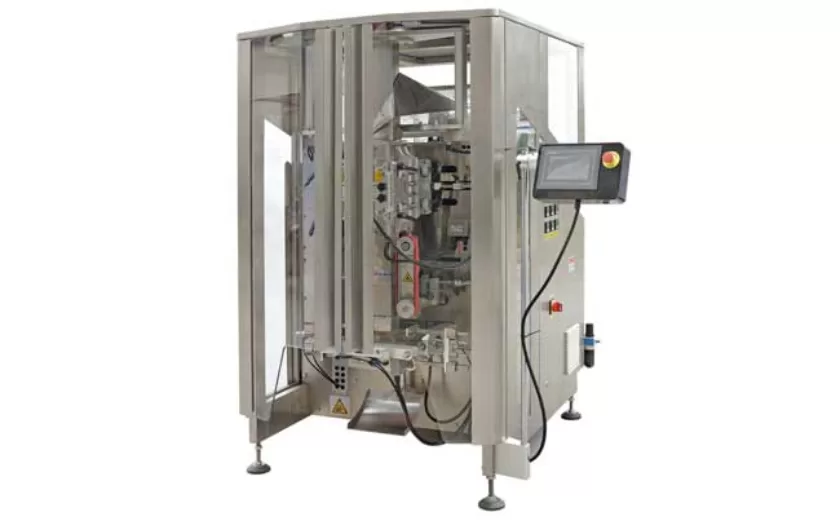
Reliable Granule Packaging Machines for Efficient Production
23-10-2025
