
When Is It Time to Scale Up Your Weighing Operations?
In today’s competitive business landscape, efficiency and accuracy are paramount to success. Weighing operations play a crucial role in various industries, ranging from manufacturing and logistics to healthcare and retail. Knowing when to scale up your weighing operations is essential to optimize efficiency, boost productivity, and minimize operational costs.
Increasing Production Volumes
One of the primary indicators for scaling up weighing operations is a significant increase in production volumes. As your business expands and demand grows, the existing weighing equipment and processes may become inadequate to handle the increased workload. Scaling up to more efficient, high-capacity weighing systems can ensure smooth production flows, reduce bottlenecks, and meet the growing production targets.
Expanding Product Lines and Complexity
Introducing new product lines or increasing the complexity of existing products can also necessitate scaling up weighing operations. Different products may require specialized weighing solutions, such as precision scales for small components or belt conveyor scales for bulk materials. Scaling up to more versatile and adaptable weighing systems allows businesses to handle a wider range of products and meet changing customer demands.
Accuracy and Compliance Requirements
Stricter industry regulations and quality standards may also drive the need to scale up weighing operations. Upgrading to higher-precision scales or implementing automated weighing systems can ensure compliance with regulatory requirements and minimize the risk of errors. Accurate weighing is crucial for maintaining product quality, batch consistency, and preventing product recalls.
Technological Advancements
The rapid advancement of weighing technology presents opportunities to scale up operations and improve efficiency. Advanced weighing systems, such as those with built-in data loggers, remote monitoring capabilities, and integration with enterprise resource planning (ERP) systems, can streamline weighing processes, reduce manual errors, and provide real-time data for improved decision-making.
Labor Costs and Staffing Challenges
Rising labor costs and staffing shortages can also be a compelling reason to scale up weighing operations. Automated weighing systems can significantly reduce the need for manual labor, freeing up staff for more value-added tasks. By automating weighing processes, businesses can optimize resource allocation, improve workforce productivity, and mitigate the impact of labor shortages.
Scaling up weighing operations is a strategic decision that should be carefully considered to ensure optimal efficiency, accuracy, and cost-effectiveness. By considering the indicators discussed in this article, businesses can determine when the time is right to upgrade their weighing systems. By embracing the latest weighing technologies and investing in high-quality scales, businesses can streamline operations, meet growing production demands, improve product quality, and ultimately drive success in their respective industries.


-
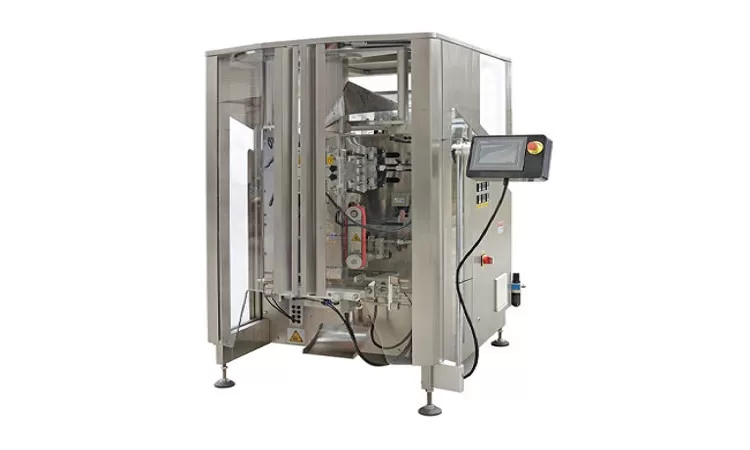
VFFS Equipment: The Ultimate Guide to Vertical Form Fill Seal Technology
13-03-2026 -
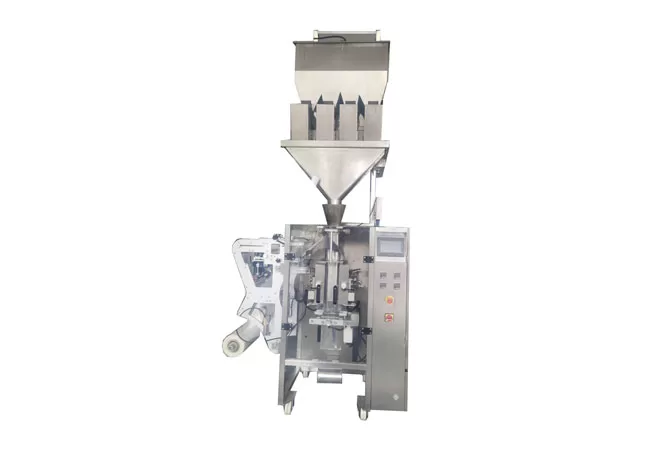
The Essential Guide to Weight Packing Machines for Precision Weighing
12-03-2026 -
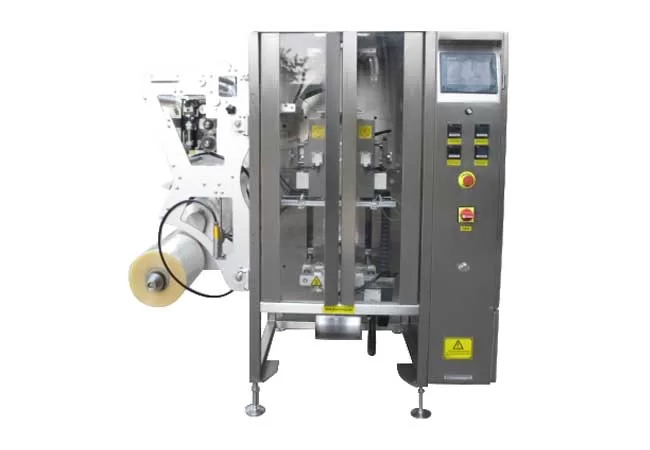
Power Packing Machine: The Ultimate Guide to Heavy-Duty Packaging Efficiency
11-03-2026 -
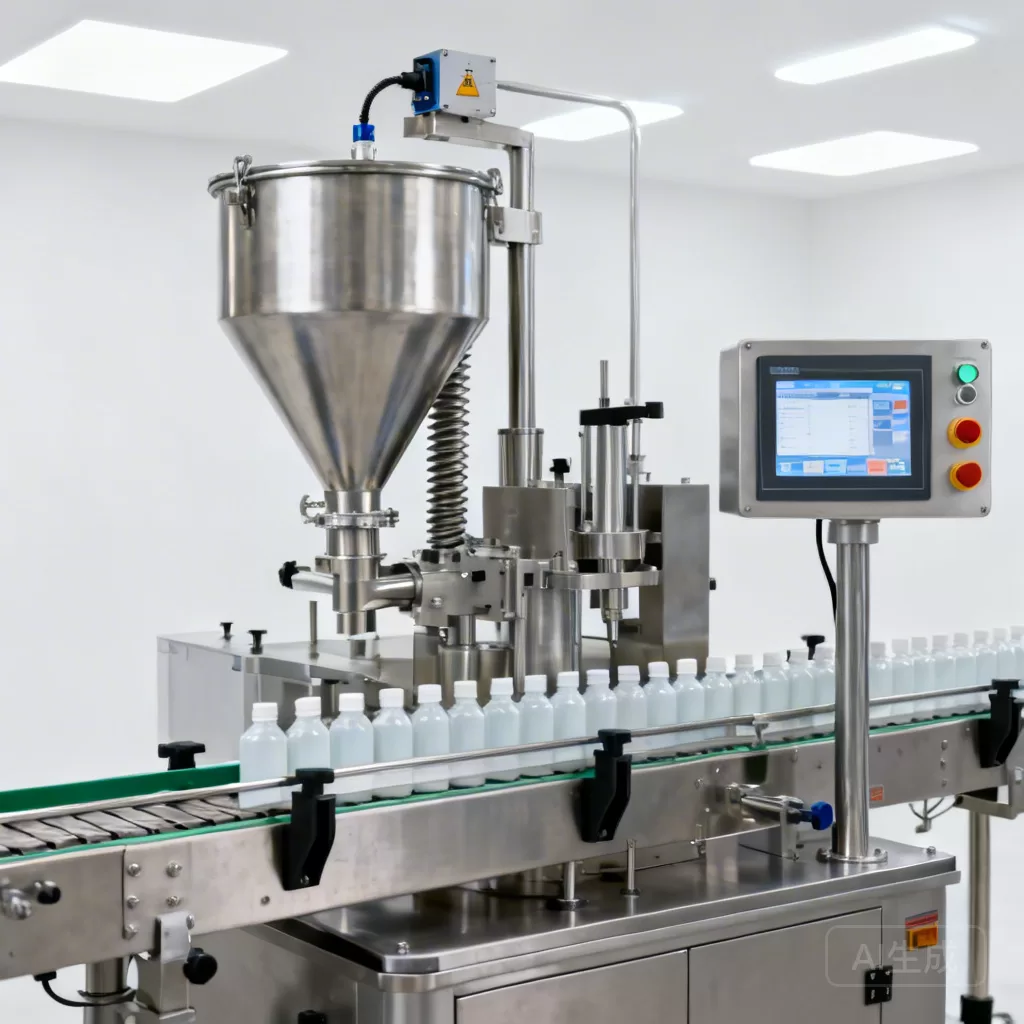
Weigher Packing Machine: The Definitive Guide to Precision Weighing & Packaging
10-03-2026 -
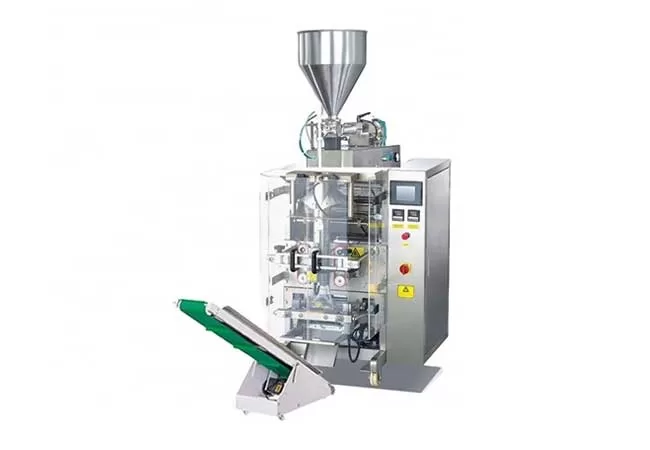
Auger Type Powder Filling Machine: The Ultimate Guide to Precision Packaging
09-03-2026 -
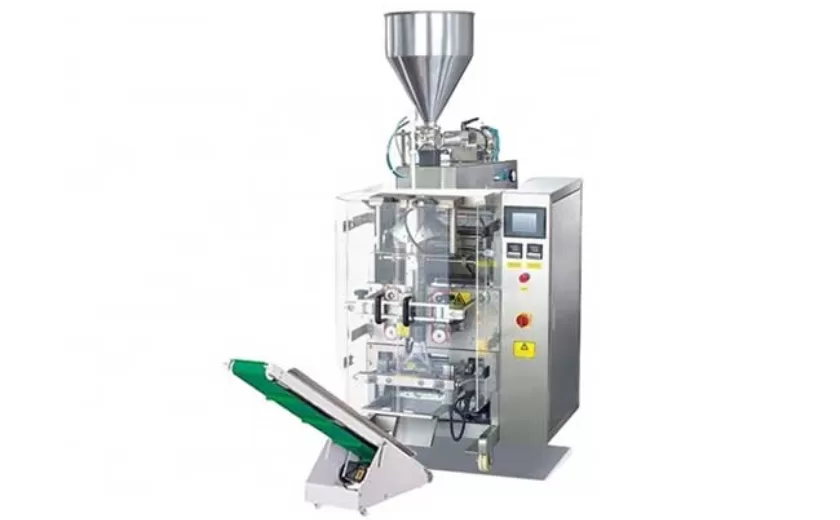
Advanced Packing Solutions: Snacks, Sugar, and Frozen Food Machines
29-10-2025 -
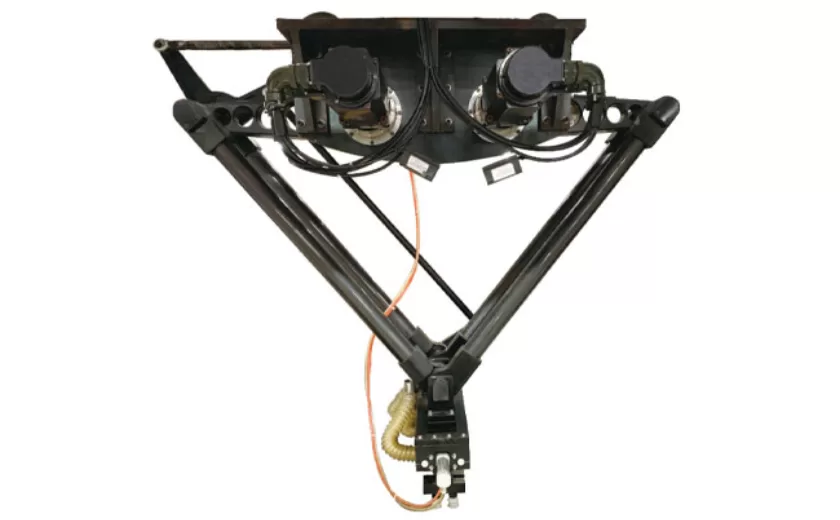
Efficient and Reliable Solutions for Salt, Nuts, and Frozen Dumplings Packing
29-10-2025 -
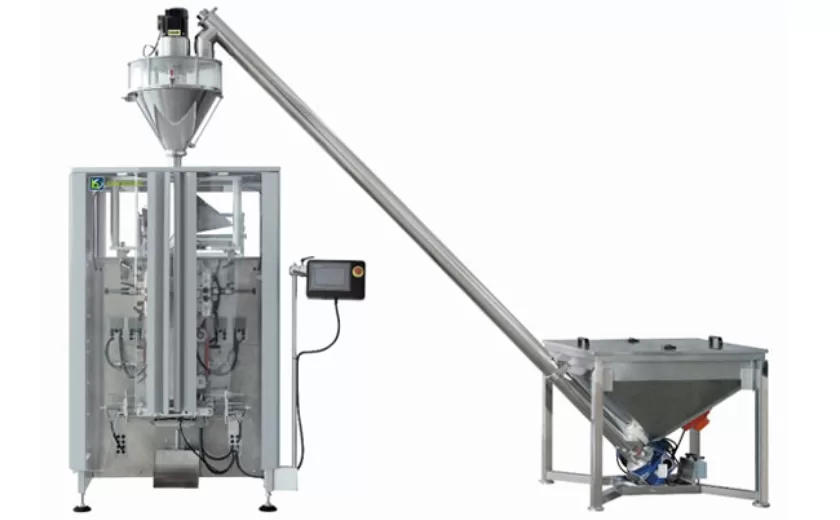
High-Performance Biscuits, Lollipop, and Ketchup Packing Machines for Modern Food Production
29-10-2025 -
Efficient Liquid Filling and Packing Machines for Modern Production
23-10-2025 -
Reliable Granule Packaging Machines for Efficient Production
23-10-2025
