
When Is It Time to Automate Your Weighing Process?
Elevate Accuracy, Efficiency, and Productivity with Automated Weighing
In the realm of precision and efficiency, the time has come to consider embracing the transformative power of automation in your weighing processes. Whether you’re grappling with manual inefficiencies, accuracy concerns, or the relentless pressure to maximize output, automating your weighing system can be a game-changer.
Signs It’s Time to Automate:
Manual Errors Rife: Human error is an unavoidable reality in manual weighing. Automation eliminates this risk, ensuring impeccable accuracy and consistency.
Labor-Intensive Operations: Manual weighing requires considerable manpower, tying down resources that could be better utilized elsewhere. Automation frees up your team to focus on higher-value tasks.
Inconsistent Results: Differences in technique and variations in the environment can lead to discrepancies in manual weighing. Automation standardizes the process, delivering unwavering consistency.
Slow Processing Times: Manual weighing can be a time-consuming bottleneck. Automation expedites the process, enhancing productivity and throughput.
Regulatory Compliance Concerns: Automation provides auditable records and ensures adherence to industry standards, easing compliance efforts.
Benefits of Automated Weighing:
Enhanced Accuracy: Automation eliminates human error, guaranteeing the utmost precision and reliability in your weighing results.
Increased Efficiency: Automated systems streamline processes, saving time, reducing labor requirements, and maximizing output.
Consistent Results: Standardization and traceability ensure that every weighment is carried out with precision and consistency.
Improved Productivity: By automating time-consuming tasks, your team can focus on strategic initiatives and drive innovation.
Improved Compliance: Automated systems provide detailed records, ensuring compliance with industry regulations and quality standards.
Factors to Consider:
Process Volume: Automation makes sense for high-volume weighing operations where efficiency and accuracy are crucial.
Type of Product: The nature of the product being weighed (e.g., solids, liquids, powders) will influence the type of automation system required.
Available Technology: Explore the latest advancements in weighing technology, such as load cells, sensors, and software, to optimize your system.
Return on Investment: Determine the potential cost savings and efficiency gains to ensure that automation aligns with your business objectives.
:
Automating your weighing process is a transformative investment that empowers your organization with greater accuracy, efficiency, and productivity. As the demand for precision and throughput continues to rise, embracing automation is no longer an option but an imperative. Don’t hesitate to explore the transformative power of automated weighing and elevate your operations to new heights of excellence.


-
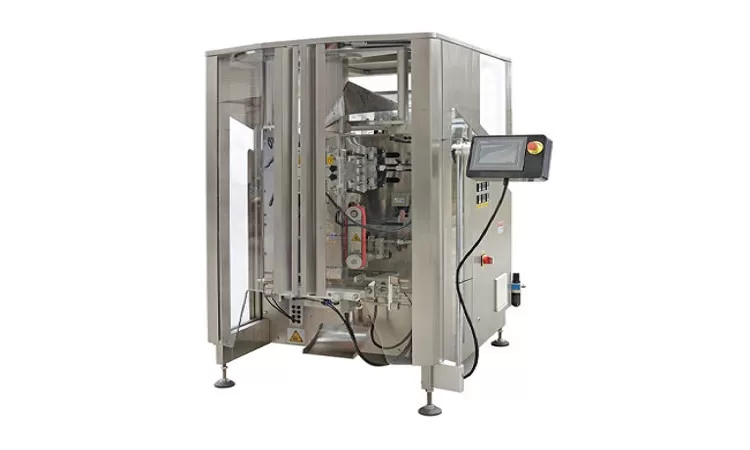
VFFS Equipment: The Ultimate Guide to Vertical Form Fill Seal Technology
13-03-2026 -
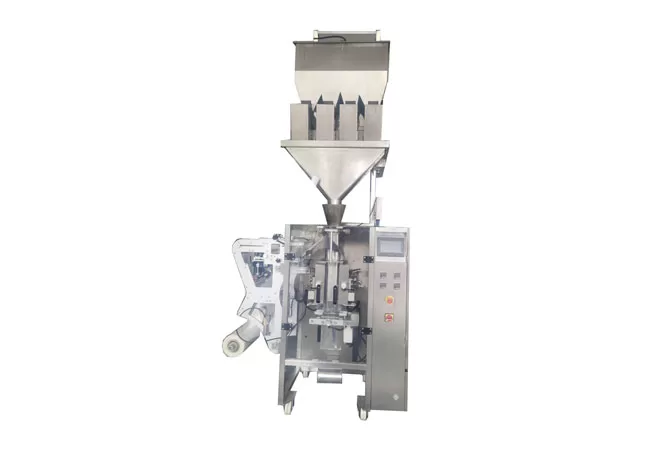
The Essential Guide to Weight Packing Machines for Precision Weighing
12-03-2026 -
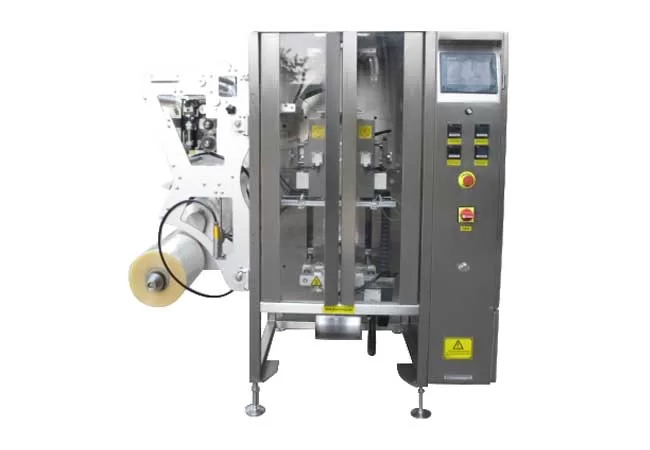
Power Packing Machine: The Ultimate Guide to Heavy-Duty Packaging Efficiency
11-03-2026 -
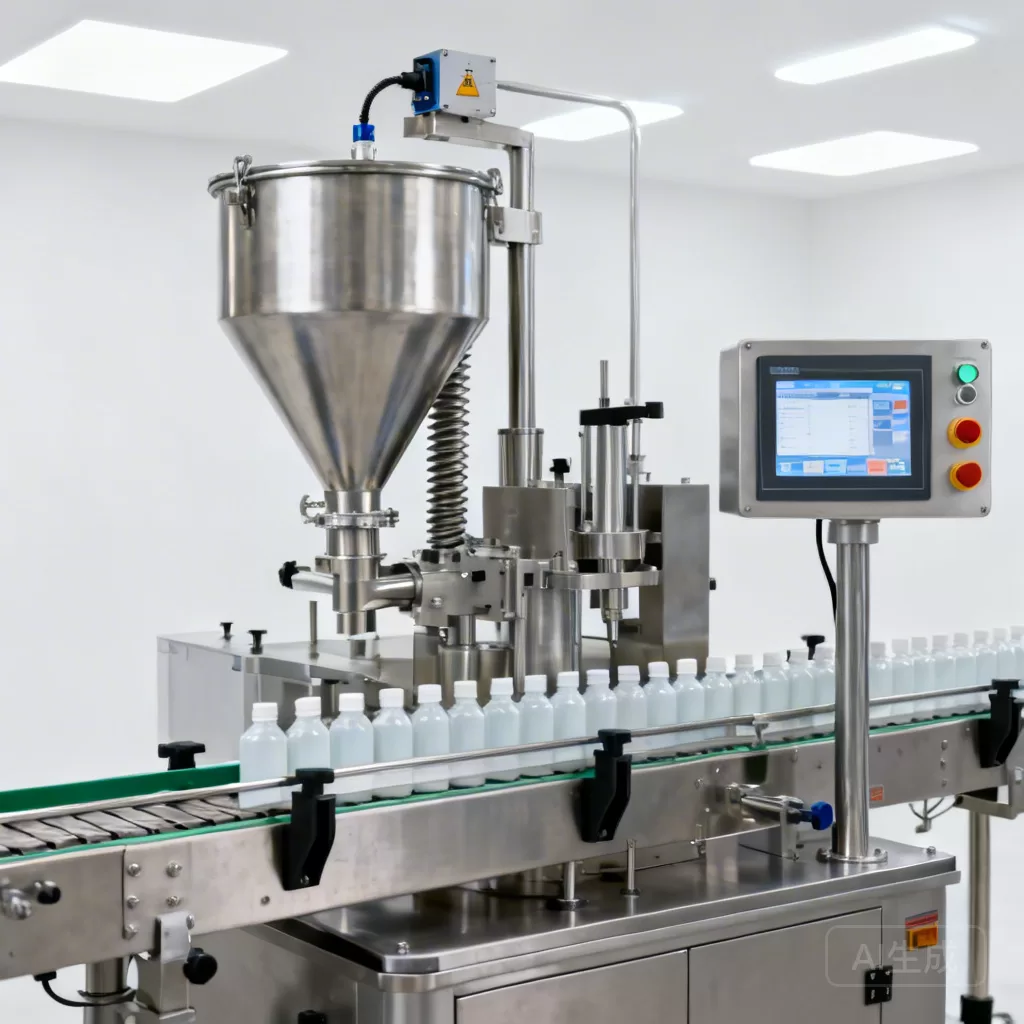
Weigher Packing Machine: The Definitive Guide to Precision Weighing & Packaging
10-03-2026 -
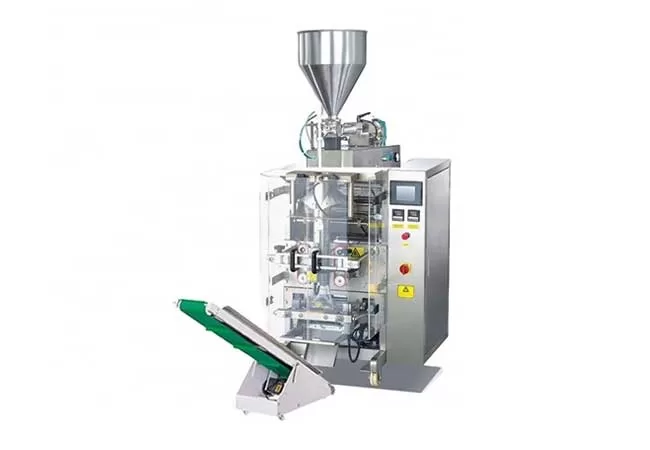
Auger Type Powder Filling Machine: The Ultimate Guide to Precision Packaging
09-03-2026 -
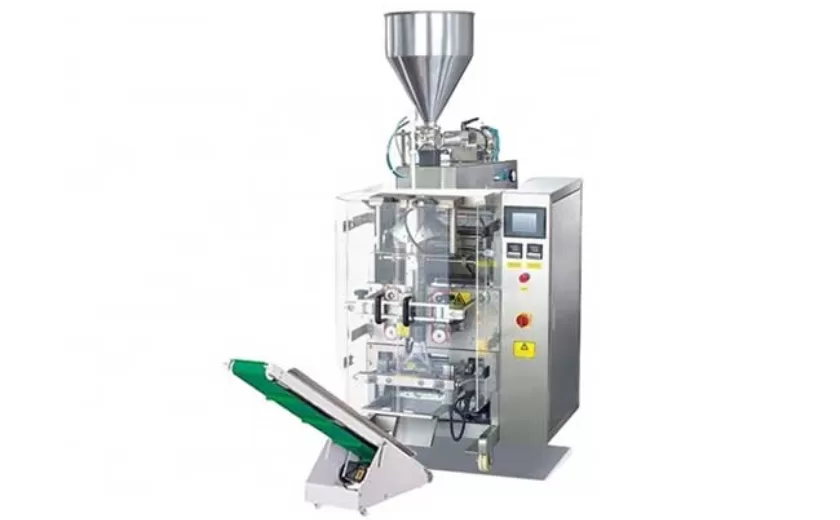
Advanced Packing Solutions: Snacks, Sugar, and Frozen Food Machines
29-10-2025 -
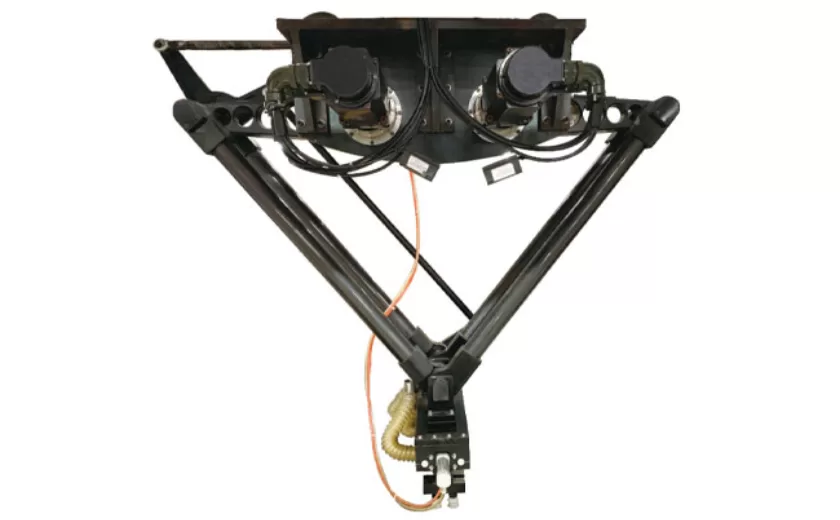
Efficient and Reliable Solutions for Salt, Nuts, and Frozen Dumplings Packing
29-10-2025 -
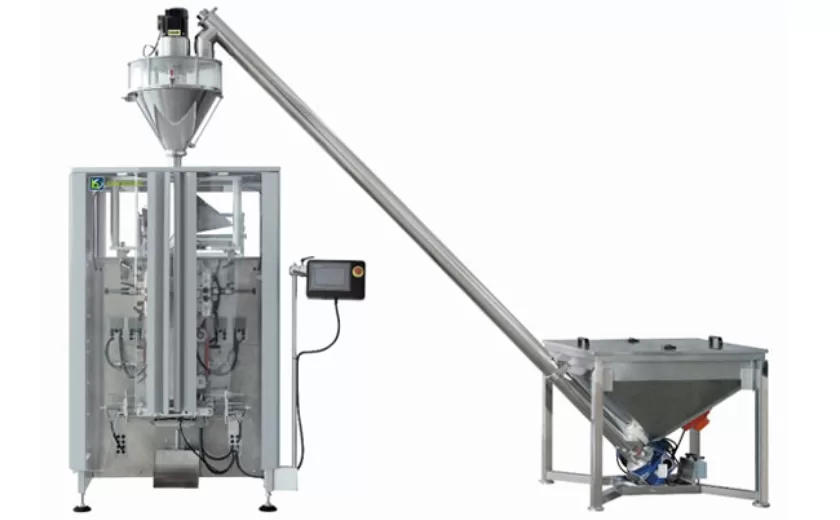
High-Performance Biscuits, Lollipop, and Ketchup Packing Machines for Modern Food Production
29-10-2025 -
Efficient Liquid Filling and Packing Machines for Modern Production
23-10-2025 -
Reliable Granule Packaging Machines for Efficient Production
23-10-2025
