
When Is It Time to Automate Your Flow Wrapping Process?
Flow wrapping, a packaging technique often used for food and non-food products, involves sealing items in protective film. While manual flow wrapping methods have been widely employed in the past, businesses are increasingly recognizing the benefits of automating their flow wrapping processes. Here are some key considerations that may indicate it’s time to embrace automation:
Increased Production Volume
As a business expands and demand for its products grows, manual flow wrapping can struggle to keep pace. Automation can significantly boost productivity, allowing for the production of larger volumes of packaged products within a shorter time frame, meeting increased customer demand and optimizing production efficiency.
Enhanced Packaging Consistency and Quality
Manual flow wrapping processes are prone to human error and inconsistency. Automation, on the other hand, ensures consistent wrapping, ensuring that all products are packaged to the same precise standards. This uniformity not only improves the overall aesthetics of the products but also reduces the risk of damage during transit and storage.
Reduced Labor Costs
Automating flow wrapping processes can significantly reduce the need for manual labor. Machines can operate continuously, eliminating overtime pay and the need for multiple shifts. As a result, businesses can save on labor costs, freeing up resources for other essential operations.
Improved Safety and Ergonomics
Manual flow wrapping can be physically demanding, often requiring repetitive motions that can lead to injuries and musculoskeletal disorders. Automation eliminates these risks, ensuring a safe and ergonomic work environment for employees. Machines can handle the heavy lifting and repetitive tasks, reducing the risk of accidents and improving employee well-being.
Increased Flexibility and Versatility
Automated flow wrapping machines can be programmed to handle a wide range of products and packaging materials. This flexibility allows businesses to quickly adjust to changing market demands or introduce new products without major equipment modifications. Automation also enables packaging customization, allowing for tailored solutions that meet specific product characteristics.
Enhanced Data Collection and Analytics
Modern automated flow wrapping machines often come equipped with sensors and data logging capabilities. This data can be used to monitor machine performance, identify areas for improvement, and optimize production processes. By leveraging analytics, businesses can make informed decisions and enhance their overall efficiency.
Automating your flow wrapping process can be a transformative decision for businesses looking to enhance productivity, improve quality, reduce costs, ensure safety, and gain flexibility. When demand exceeds manual capacities, packaging inconsistency becomes a concern, or labor costs are rising, it’s time to consider automating your flow wrapping process. By embracing automation, businesses can unlock significant benefits that will drive growth and competitive advantage.


-
VFFS Equipment: The Ultimate Guide to Vertical Form Fill Seal Technology
13-03-2026 -
The Essential Guide to Weight Packing Machines for Precision Weighing
12-03-2026 -
Power Packing Machine: The Ultimate Guide to Heavy-Duty Packaging Efficiency
11-03-2026 -
Weigher Packing Machine: The Definitive Guide to Precision Weighing & Packaging
10-03-2026 -
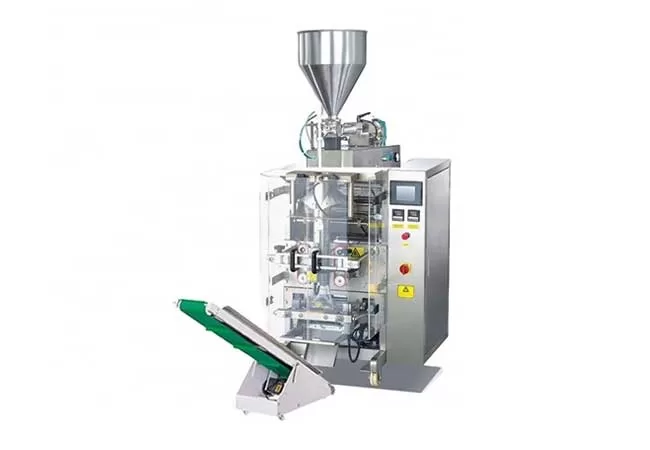
Auger Type Powder Filling Machine: The Ultimate Guide to Precision Packaging
09-03-2026 -
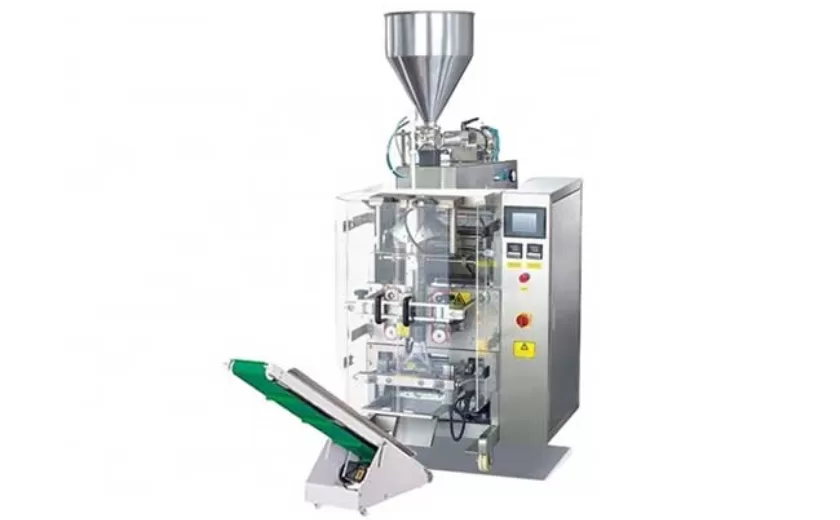
Advanced Packing Solutions: Snacks, Sugar, and Frozen Food Machines
29-10-2025 -
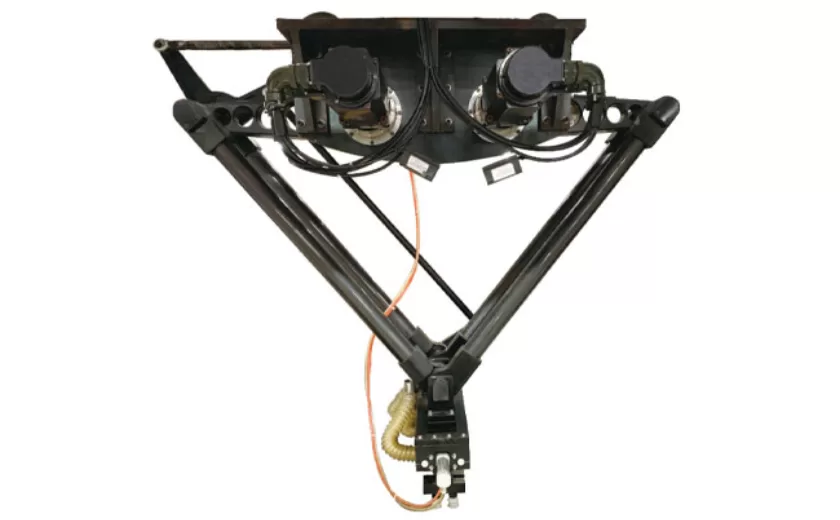
Efficient and Reliable Solutions for Salt, Nuts, and Frozen Dumplings Packing
29-10-2025 -
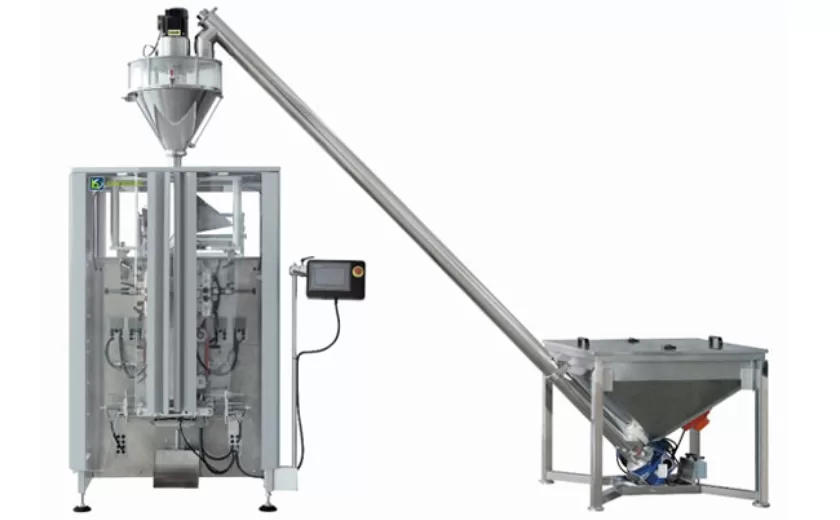
High-Performance Biscuits, Lollipop, and Ketchup Packing Machines for Modern Food Production
29-10-2025 -
Efficient Liquid Filling and Packing Machines for Modern Production
23-10-2025 -
Reliable Granule Packaging Machines for Efficient Production
23-10-2025
