
How to Troubleshoot Common Issues with Jelly Pouch Packing Machines
Jelly pouch packing machines are essential equipment for food processing factories, handling the packaging of jelly pouches efficiently and accurately. However, like any machinery, these machines can encounter occasional issues that require prompt troubleshooting to ensure seamless production. This guide covers common problems and effective troubleshooting steps to help you maintain optimal operation of your jelly pouch packing machine.
Insufficient Pouch Formation
Pouch material not properly installed: Ensure that the pouch material is correctly loaded into the machine, with the printing side facing outward and the pre-formed pouch aligned with the forming jaws.
Forming jaws misaligned: Check the alignment of the forming jaws to ensure they are parallel and meeting evenly. Adjust the jaw positions as needed.
Temperature settings incorrect: The heating elements responsible for sealing the pouches require proper temperature settings. Adjust the temperature settings according to the manufacturer’s instructions or as per the specific pouch material requirements.
Difficulty in Seal Formation
Sealing bars not heating up: Verify that the sealing bars are plugged into a power source and have the correct voltage settings. Check the wiring and connections for any loose or damaged components.
Sealing surface contaminated: Clean the sealing surfaces periodically to remove any residue or debris that may prevent proper sealing. Use a soft, non-abrasive cloth and a suitable cleaning solution.
Sealing pressure insufficient: Adjust the sealing pressure to ensure it is sufficient to create a strong seal without damaging the pouches.
Pouch Leakage
Seal perforation: Inspect the sealed area for any punctures or imperfections. Check for sharp edges or foreign objects that may have pierced the pouch during sealing.
Sealing temperature too high: Excessive heat can weaken the sealing material, resulting in leaks. Lower the sealing temperature slightly and test the seals.
Pouch material not compatible: Ensure that the pouch material is compatible with the specific sealing technology employed by the machine. Incompatible materials may not seal properly.
Jamming or Stalling
Overloaded machine: Avoid overloading the machine with pouches beyond its capacity. Adjust the feed rate or consider using a larger machine if necessary.
Product buildup: Regularly clean the machine to prevent product accumulation in critical areas, which can hinder its operation.
Misalignment of components: Check for misalignment between any moving parts, such as the conveyor belt or forming jaws. Adjust the components to ensure proper alignment.
Electrical Problems
Power failure: Check the power supply and ensure that the machine is properly plugged into a grounded outlet. Reset the circuit breaker or replace any blown fuses if necessary.
Loose wiring: Inspect the electrical connections and wiring for any loose or damaged components. Tighten loose connections and repair or replace damaged wiring.
Circuit board failure: Contact a qualified technician to diagnose and repair any issues with the machine’s circuit board or other electronic components.


-
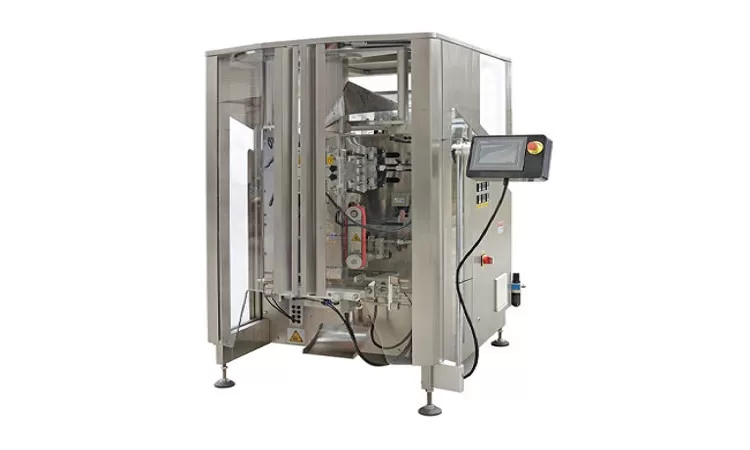
VFFS Equipment: The Ultimate Guide to Vertical Form Fill Seal Technology
13-03-2026 -
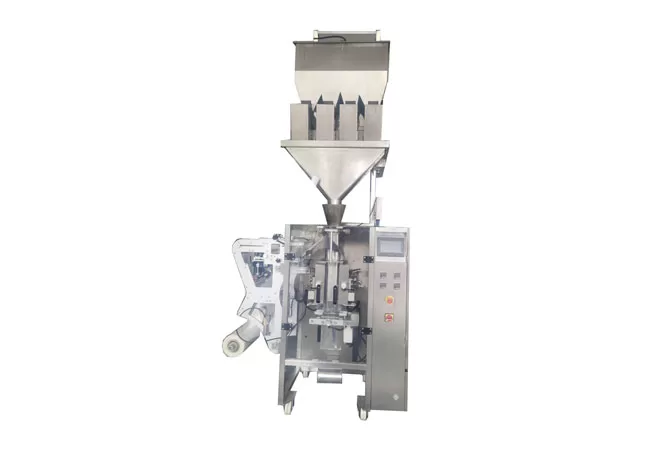
The Essential Guide to Weight Packing Machines for Precision Weighing
12-03-2026 -
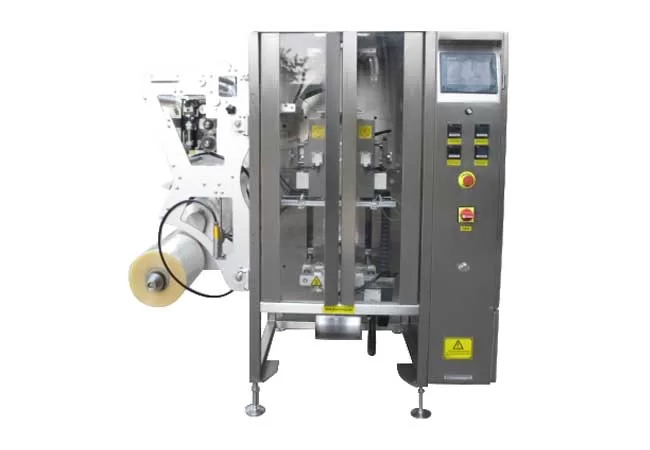
Power Packing Machine: The Ultimate Guide to Heavy-Duty Packaging Efficiency
11-03-2026 -
Weigher Packing Machine: The Definitive Guide to Precision Weighing & Packaging
10-03-2026 -
Auger Type Powder Filling Machine: The Ultimate Guide to Precision Packaging
09-03-2026 -
Advanced Packing Solutions: Snacks, Sugar, and Frozen Food Machines
29-10-2025 -
Efficient and Reliable Solutions for Salt, Nuts, and Frozen Dumplings Packing
29-10-2025 -
High-Performance Biscuits, Lollipop, and Ketchup Packing Machines for Modern Food Production
29-10-2025 -
Efficient Liquid Filling and Packing Machines for Modern Production
23-10-2025 -
Reliable Granule Packaging Machines for Efficient Production
23-10-2025
