
Why Packaging Design Plays a Key Role in Flow Wrapped Products
In today’s fast-paced consumer landscape, packaging design has evolved into a critical marketing weapon, particularly for flow wrapped products. Flow wrapping, synonymous with speed and efficiency, encases products in a continuous film, creating a sleek and protective barrier. However, the power of packaging extends beyond mere protection. It influences brand perception, drives purchasing decisions, and enhances the overall consumer experience.
The visual impact of packaging design is paramount. Eye-catching graphics, vibrant colors, and innovative textures captivate shoppers’ attention, sparking a desire to explore the product further. A well-crafted design instantly communicates the product’s core attributes and establishes a brand identity. By leveraging the principles of semiology and aesthetics, designers create visual cues that convey product benefits, target specific demographics, and elicit emotional responses.
In addition to aesthetics, packaging design plays a vital role in functionality. The flow wrap material must adhere tightly to the product, ensuring protection from environmental factors such as moisture and oxygen. The packaging design should also facilitate ease of opening and reclosing, enhancing consumer convenience. By balancing form and function, designers create packaging that both enhances the product’s shelf life and provides a seamless user experience.
Packaging design also influences the perceived value of a product. Premium packaging materials, intricate embossing, and elegant typography evoke a sense of luxury and exclusivity. By elevating the product’s appearance, packaging can command a higher price point and establish the product as a desirable object.
Moreover, packaging design plays a crucial role in environmental sustainability. Flow wrapping materials can be made from biodegradable or recyclable materials, reducing the product’s carbon footprint and appealing to eco-conscious consumers. By incorporating sustainable practices into their packaging design, companies demonstrate their commitment to corporate social responsibility and align their brand with consumer values.
Packaging design is an essential element for flow wrapped products. It elevates the product’s appearance, enhances functionality, influences perceived value, and contributes to environmental sustainability. By carefully considering the visual impact, functionality, and environmental implications of packaging design, companies can create packages that not only protect their products but also drive brand awareness, increase sales, and provide a memorable consumer experience.


-
VFFS Equipment: The Ultimate Guide to Vertical Form Fill Seal Technology
13-03-2026 -
The Essential Guide to Weight Packing Machines for Precision Weighing
12-03-2026 -
Power Packing Machine: The Ultimate Guide to Heavy-Duty Packaging Efficiency
11-03-2026 -
Weigher Packing Machine: The Definitive Guide to Precision Weighing & Packaging
10-03-2026 -
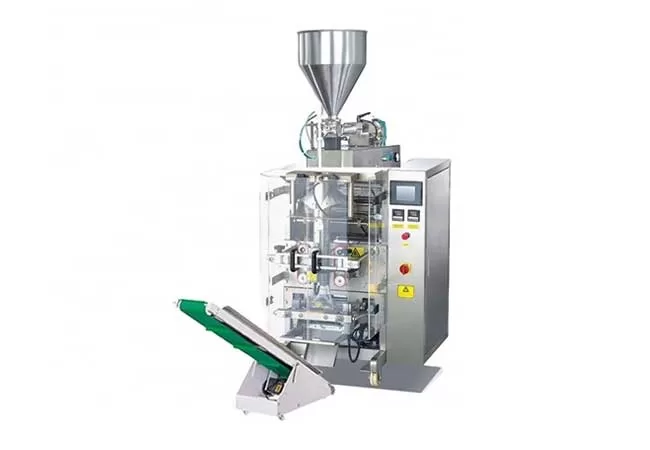
Auger Type Powder Filling Machine: The Ultimate Guide to Precision Packaging
09-03-2026 -
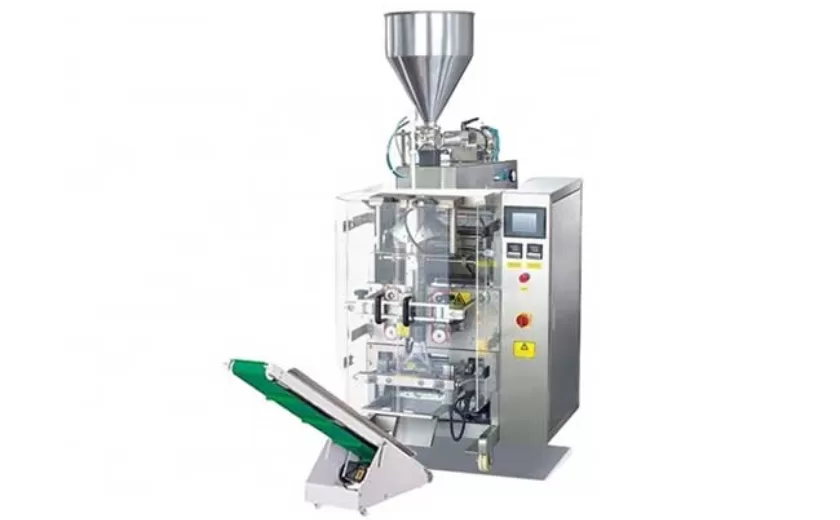
Advanced Packing Solutions: Snacks, Sugar, and Frozen Food Machines
29-10-2025 -
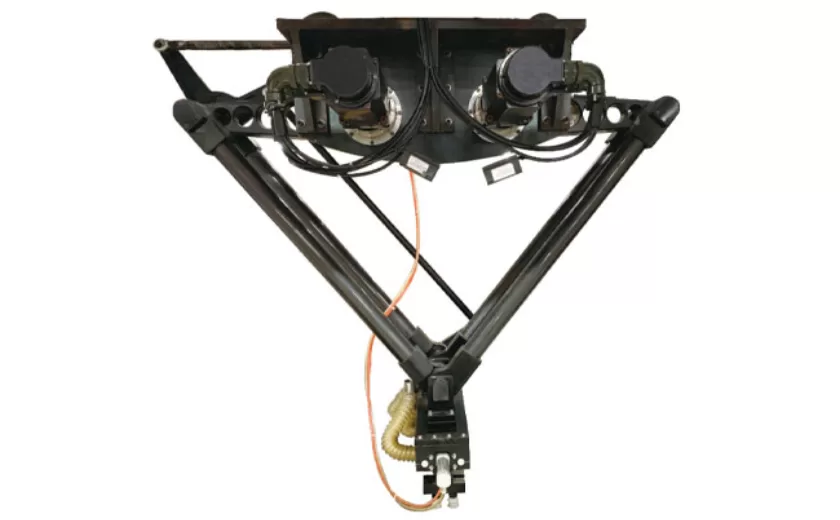
Efficient and Reliable Solutions for Salt, Nuts, and Frozen Dumplings Packing
29-10-2025 -
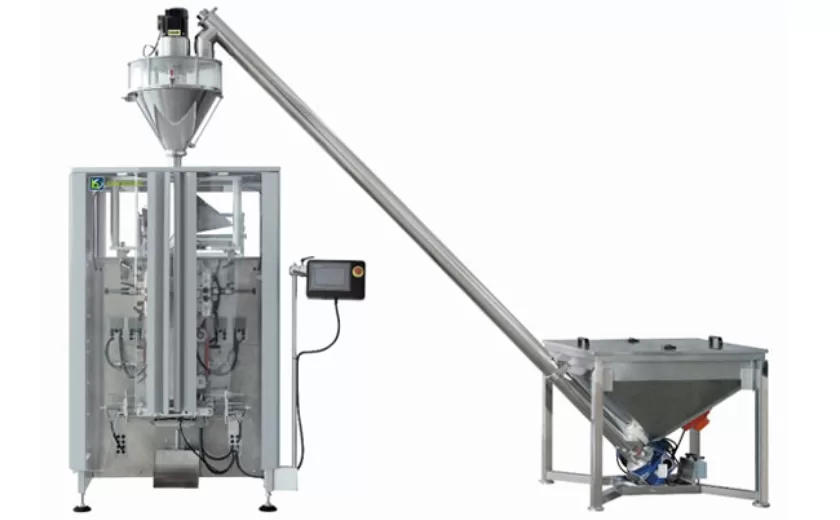
High-Performance Biscuits, Lollipop, and Ketchup Packing Machines for Modern Food Production
29-10-2025 -
Efficient Liquid Filling and Packing Machines for Modern Production
23-10-2025 -
Reliable Granule Packaging Machines for Efficient Production
23-10-2025
