
What Regulations Should You Be Aware of for Powder Packaging?
Powder packaging plays a crucial role in ensuring the safety, quality, and efficacy of powdered products. To comply with industry standards and legal requirements, it is essential for manufacturers and packagers to be aware of and adhere to various regulations governing powder packaging. This article provides an overview of the key regulations that need to be taken into consideration.
Food and Drug Administration (FDA) Regulations
The FDA is responsible for regulating the packaging of food and drug products, including powders. The FDA’s regulations cover a wide range of aspects, including:
– Materials of Construction: Packaging materials must be safe for use with food or drug products and must not leach harmful substances into the product.
– Product Labeling: Labels must accurately disclose product information, including ingredients, nutritional value, and storage instructions.
– Good Manufacturing Practices (GMPs): Packaging must be manufactured and handled in a manner that ensures product safety and quality.
International Organization for Standardization (ISO) Standards
ISO standards provide guidance on various aspects of packaging, including powder packaging. ISO 9001:2015 is a quality management system standard that can help manufacturers ensure the consistency and quality of their powder packaging. ISO 14001:2015 is an environmental management system standard that can help manufacturers reduce the environmental impact of their packaging.
European Union (EU) Regulations
The EU has a comprehensive set of regulations governing powder packaging, including:
– Regulation (EC) No. 1935/2004: This regulation sets out general requirements for food contact materials, including packaging materials.
– Regulation (EC) No. 10/2011: This regulation sets out specific requirements for plastic materials and articles intended to come into contact with food.
– Directive 94/62/EC: This directive sets out requirements for packaging and packaging waste, including measures to reduce waste generation.
Other Regulations
Depending on the specific powder product and its intended use, other regulations may also apply. These may include:
– Hazardous Substances Regulations: Packaging for hazardous substances must meet specific requirements to ensure safe handling and storage.
– Pharmacopeia Requirements: The United States Pharmacopeia (USP) and other pharmacopeias set standards for packaging materials used in pharmaceutical products.
– Consumer Safety Regulations: Packaging for consumer products must meet specific requirements to ensure product safety and prevent product tampering.
By understanding and complying with these regulations, manufacturers and packagers can ensure that their powder packaging meets industry standards, protects consumers, and meets legal requirements. Failure to adhere to these regulations can result in product recalls, fines, or other legal penalties.


-

VFFS Equipment: The Ultimate Guide to Vertical Form Fill Seal Technology
13-03-2026 -
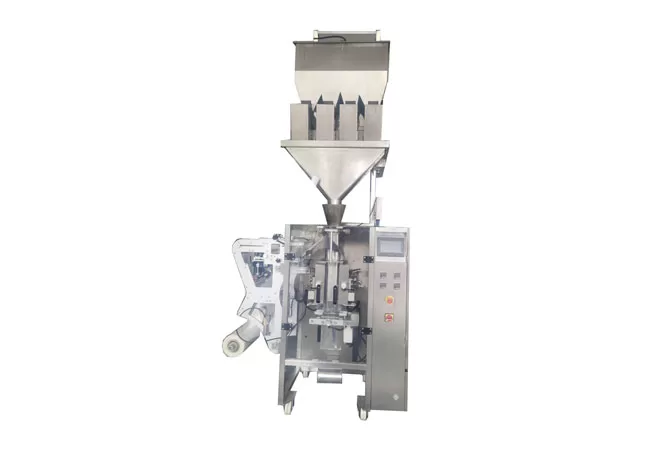
The Essential Guide to Weight Packing Machines for Precision Weighing
12-03-2026 -
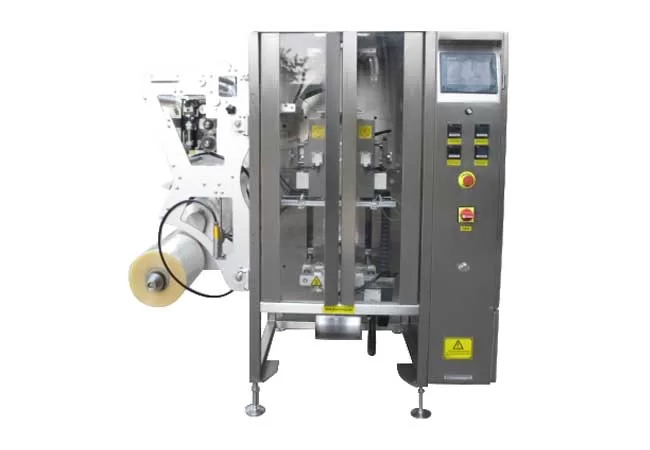
Power Packing Machine: The Ultimate Guide to Heavy-Duty Packaging Efficiency
11-03-2026 -

Weigher Packing Machine: The Definitive Guide to Precision Weighing & Packaging
10-03-2026 -
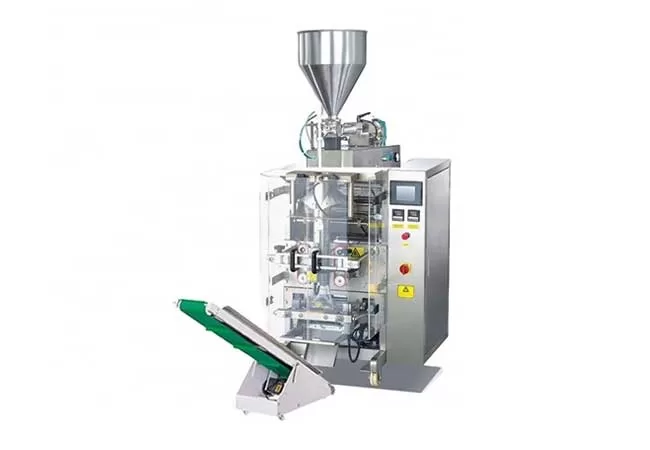
Auger Type Powder Filling Machine: The Ultimate Guide to Precision Packaging
09-03-2026 -
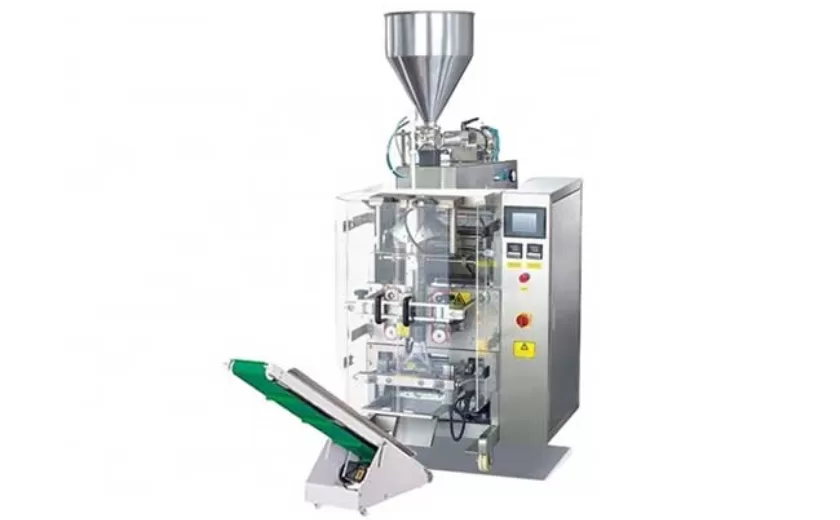
Advanced Packing Solutions: Snacks, Sugar, and Frozen Food Machines
29-10-2025 -

Efficient and Reliable Solutions for Salt, Nuts, and Frozen Dumplings Packing
29-10-2025 -
High-Performance Biscuits, Lollipop, and Ketchup Packing Machines for Modern Food Production
29-10-2025 -
Efficient Liquid Filling and Packing Machines for Modern Production
23-10-2025 -

Reliable Granule Packaging Machines for Efficient Production
23-10-2025
