
The Environmental Impact of Liquid Packaging Solutions
The Environmental Impact of Liquid Packaging Solutions: A Comprehensive Analysis
In the modern world, liquid packaging plays a crucial role in the storage, distribution, and consumption of various products, ranging from beverages to detergents. However, the environmental impact of these solutions has become a pressing concern, raising questions about their sustainability and the potential risks they pose to ecosystems. This article explores the environmental impact of liquid packaging solutions, providing a comprehensive analysis from multiple perspectives.
Plastic and Its Environmental Concerns
One of the most significant environmental concerns with liquid packaging solutions is the extensive use of plastic materials. Plastic polymers, such as polyethylene terephthalate (PET) and high-density polyethylene (HDPE), are widely employed in the production of bottles, containers, and pouches. While plastic offers benefits such as lightweight, durability, and low cost, its persistence in the environment raises serious concerns. Plastic pollution accumulates in landfills, oceans, and natural ecosystems, harming wildlife, affecting biodiversity, and disrupting ecological balance.
Energy Consumption and Greenhouse Gas Emissions
The production and disposal of liquid packaging solutions also contribute to energy consumption and greenhouse gas emissions. The manufacturing process involves extracting raw materials, converting them into polymers, and shaping them into containers. These steps require significant amounts of energy, primarily from fossil fuels, releasing greenhouse gases such as carbon dioxide into the atmosphere. Additionally, the incineration or landfill disposal of plastic packaging further releases harmful gases and contributes to air pollution.
Water Consumption and Resource Depletion
Water is an essential resource that is often overlooked in discussions of packaging sustainability. The production of liquid packaging solutions involves water consumption throughout the supply chain, including the extraction of raw materials, processing, and cleaning. The disposal of plastic packaging in landfills or through incineration can also contaminate water sources, posing risks to human health and aquatic ecosystems.
Waste Management and Recycling Challenges
The environmental impact of liquid packaging solutions is also exacerbated by challenges in waste management and recycling. Not all types of plastic packaging are recyclable, and even those that are often end up in landfills due to contamination or lack of proper infrastructure. The recycling process itself can be energy-intensive and result in further environmental burdens. The accumulation of non-recyclable plastic waste in landfills contributes to land degradation, habitat loss, and soil pollution.
Sustainable Alternatives and Innovations
Recognizing the environmental challenges posed by conventional liquid packaging solutions, researchers and industry leaders are exploring sustainable alternatives. This includes the development of biodegradable and compostable materials, the use of recycled content, and innovative packaging designs that minimize waste. Biodegradable plastics, derived from plant-based materials, offer a promising solution by breaking down naturally in the environment. Additionally, reusable packaging systems and refill options can significantly reduce waste generation and the associated environmental impacts.
The environmental impact of liquid packaging solutions is a complex issue with multiple facets. The extensive use of plastic materials, energy consumption, greenhouse gas emissions, water consumption, and waste management challenges all contribute to the overall environmental footprint. Addressing these concerns requires a comprehensive approach that involves the development of sustainable alternatives, improving recycling infrastructure, promoting responsible consumer behavior, and implementing policies that incentivize eco-friendly packaging solutions. By embracing innovation and collaboration, we can mitigate the environmental impact of liquid packaging and create a more sustainable future.


-
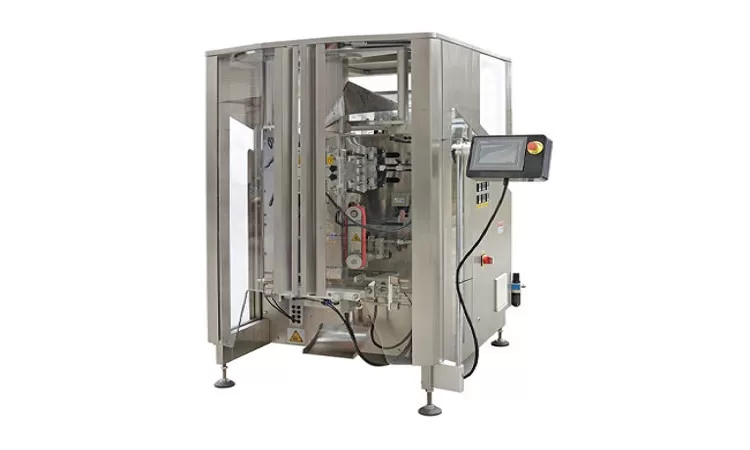
VFFS Equipment: The Ultimate Guide to Vertical Form Fill Seal Technology
13-03-2026 -
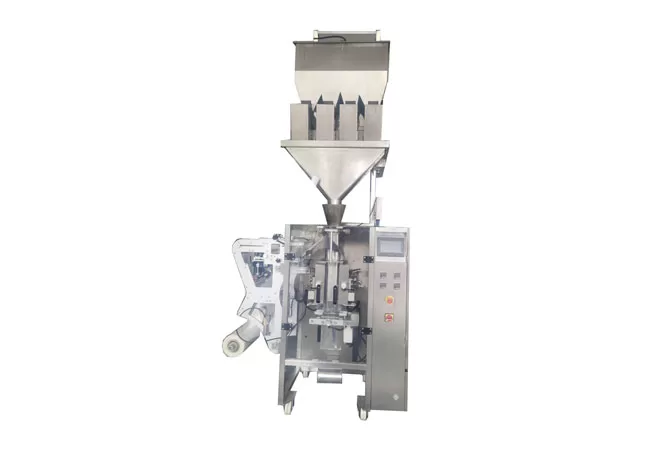
The Essential Guide to Weight Packing Machines for Precision Weighing
12-03-2026 -
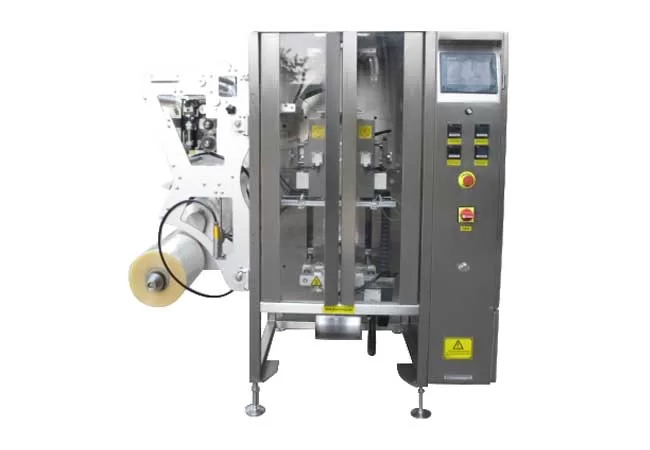
Power Packing Machine: The Ultimate Guide to Heavy-Duty Packaging Efficiency
11-03-2026 -
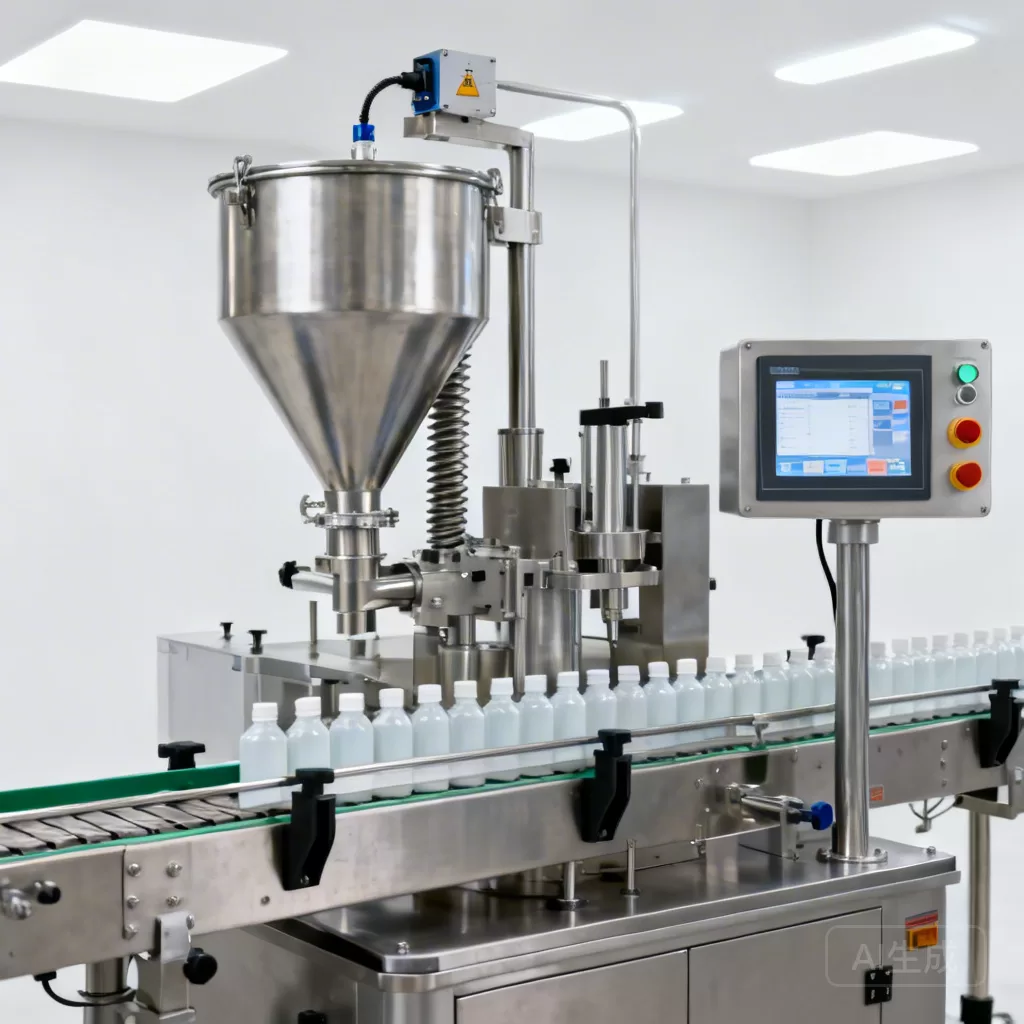
Weigher Packing Machine: The Definitive Guide to Precision Weighing & Packaging
10-03-2026 -
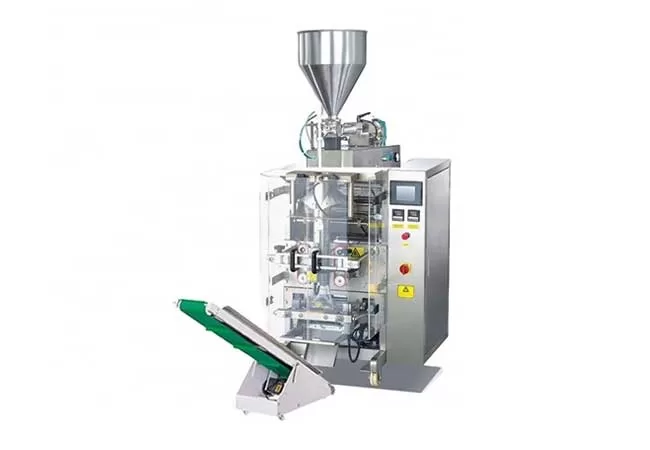
Auger Type Powder Filling Machine: The Ultimate Guide to Precision Packaging
09-03-2026 -
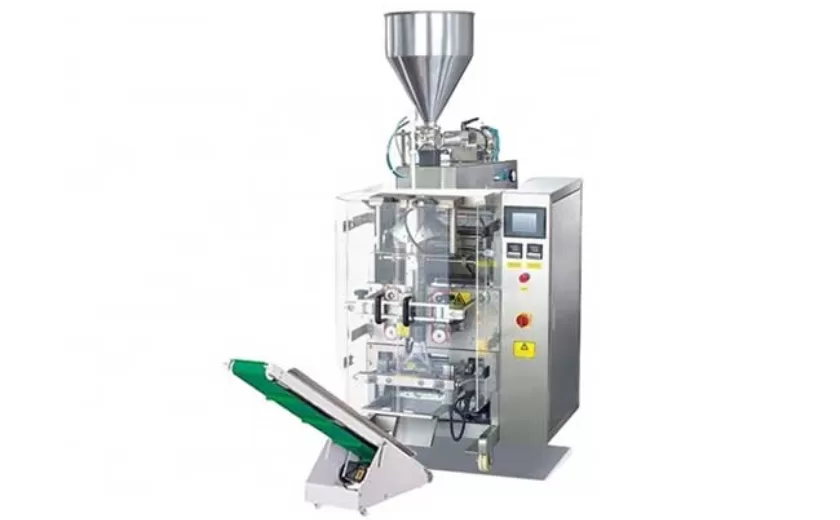
Advanced Packing Solutions: Snacks, Sugar, and Frozen Food Machines
29-10-2025 -
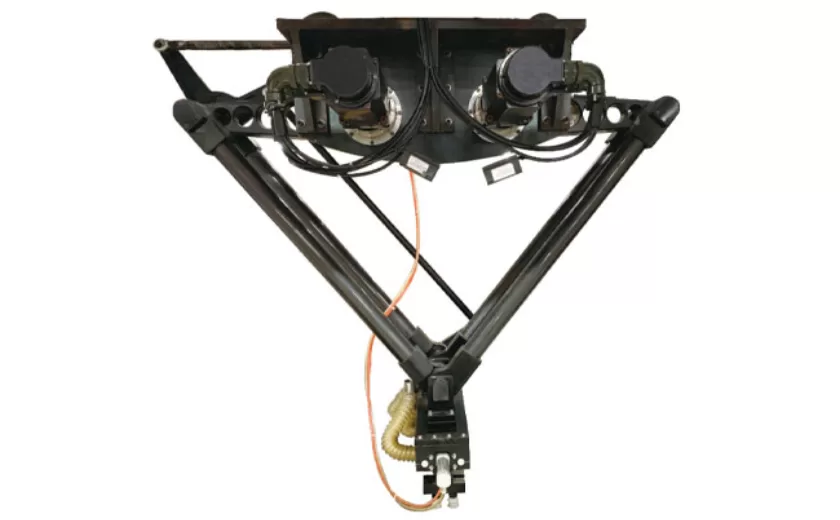
Efficient and Reliable Solutions for Salt, Nuts, and Frozen Dumplings Packing
29-10-2025 -
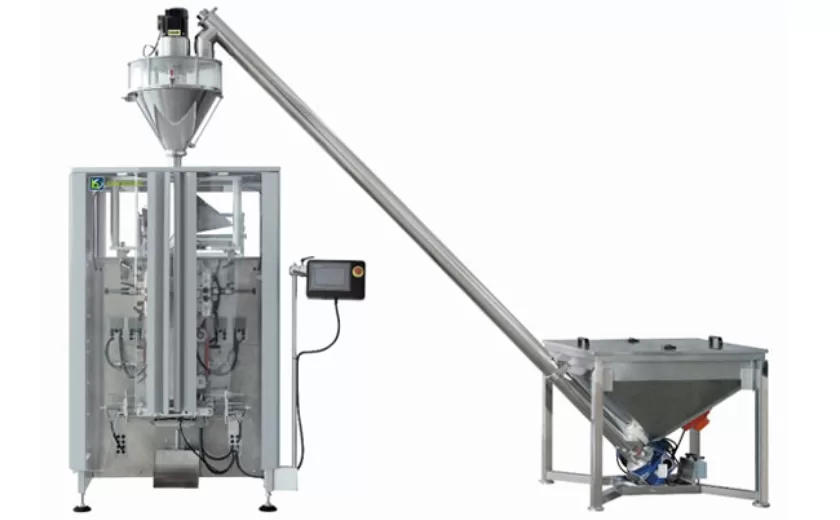
High-Performance Biscuits, Lollipop, and Ketchup Packing Machines for Modern Food Production
29-10-2025 -
Efficient Liquid Filling and Packing Machines for Modern Production
23-10-2025 -
Reliable Granule Packaging Machines for Efficient Production
23-10-2025
