
When to Use Flow Wrapping vs. Other Packaging Methods
In the bustling world of packaging, flow wrapping stands out as a versatile and efficient solution for a wide range of products. But when does it reign supreme over other packaging methods? Let’s embark on a journey to unravel the secrets and guide you towards the optimal choice for your unique packaging needs.
Flow Wrapping: Unveiling its Advantages
Flow wrapping, also known as horizontal form fill seal (HFFS), is a continuous packaging process that envelops products in a single layer of flexible film. Its sleek design and snug fit offer several compelling benefits:
Protection: The continuous film provides a secure barrier against moisture, oxygen, and contaminants, extending shelf life and preserving product quality.
Efficiency: Flow wrapping machines operate at high speeds, reducing labor costs and increasing productivity.
Versatility: Suitable for an extensive range of products, from food and beverages to pharmaceuticals and electronics.
Customization: Allows for printing, embossing, and other techniques to enhance branding and provide product information.
When Flow Wrapping Outshines
Flow wrapping excels in situations where product protection, efficiency, and cost-effectiveness are paramount. Consider it for:
Single-serving products: Think candy, snacks, and individual portions of food.
High-volume production: Ideal for manufacturers seeking quick and efficient packaging solutions.
Retail-ready products: Enhances product visibility and ease of handling for consumers.
Products that require tamper-proof seals: The continuous film ensures product integrity and safety.
Alternative Packaging Methods and Their Niche
Flow wrapping is not always the one-size-fits-all solution. Other packaging methods offer distinct advantages for specific applications:
Shrink wrapping: Ideal for bundling multiple products or creating skin-tight packaging.
Vacuum sealing: Removes oxygen to preserve freshness and extend shelf life of perishable products.
Blister packaging: Provides added protection for delicate or fragile goods.
Cartoning: Offers structural support and additional branding opportunities for larger or heavier products.
The Verdict: Making an Informed Choice
Choosing the optimal packaging method depends on a careful consideration of your product’s characteristics, production requirements, and market positioning. By understanding the advantages and limitations of each technique, you can ensure that your products arrive at their destination safely, efficiently, and with the desired impact.
Flow wrapping stands out for its efficiency, versatility, and cost-effectiveness, but it may not always be the best option. By weighing the pros and cons of different methods, you can make an informed decision that aligns with your specific packaging needs.


-
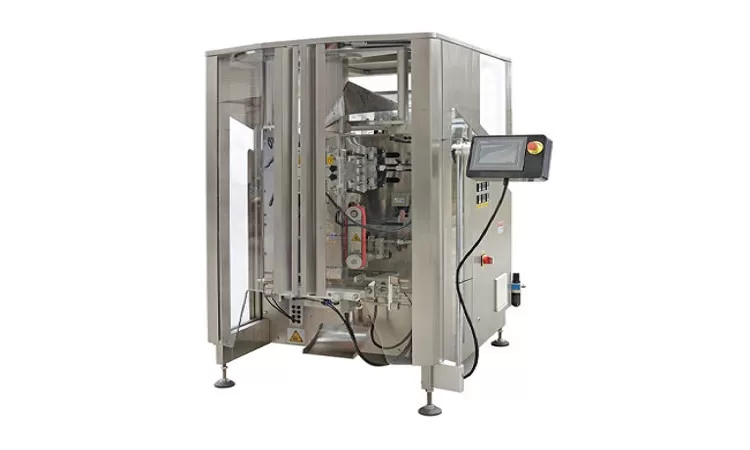
VFFS Equipment: The Ultimate Guide to Vertical Form Fill Seal Technology
13-03-2026 -
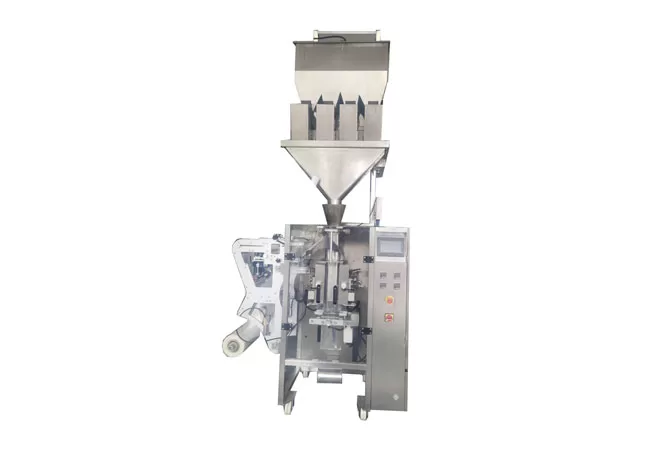
The Essential Guide to Weight Packing Machines for Precision Weighing
12-03-2026 -
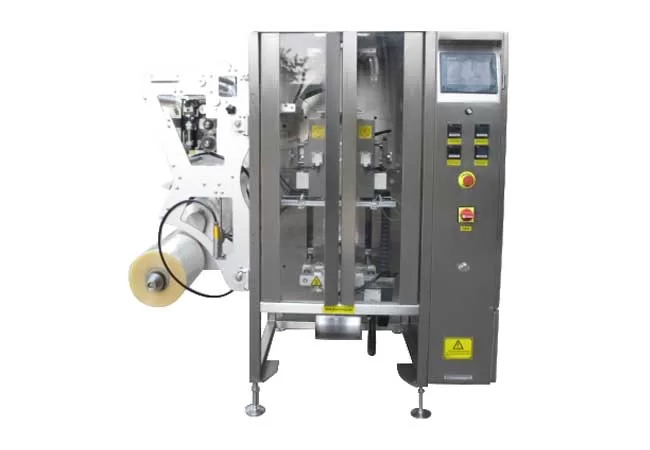
Power Packing Machine: The Ultimate Guide to Heavy-Duty Packaging Efficiency
11-03-2026 -
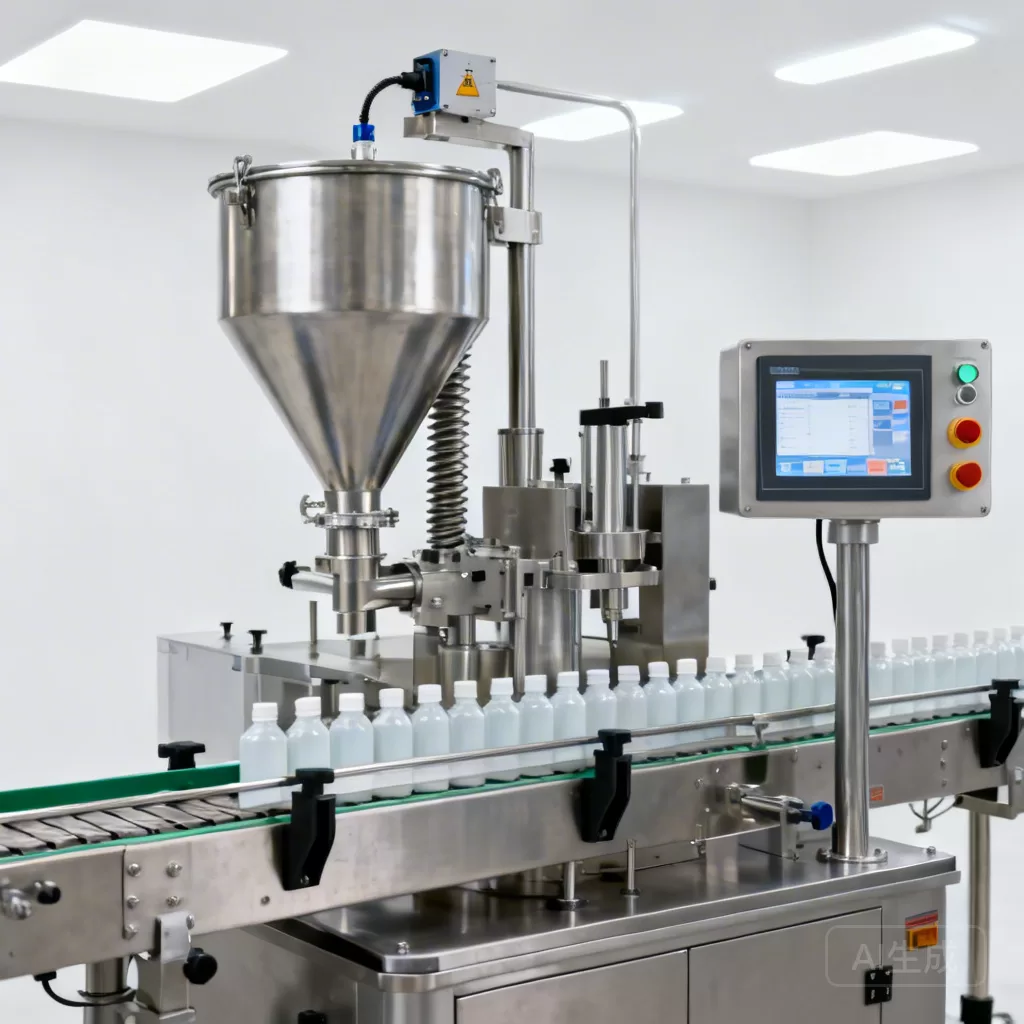
Weigher Packing Machine: The Definitive Guide to Precision Weighing & Packaging
10-03-2026 -
Auger Type Powder Filling Machine: The Ultimate Guide to Precision Packaging
09-03-2026 -
Advanced Packing Solutions: Snacks, Sugar, and Frozen Food Machines
29-10-2025 -
Efficient and Reliable Solutions for Salt, Nuts, and Frozen Dumplings Packing
29-10-2025 -
High-Performance Biscuits, Lollipop, and Ketchup Packing Machines for Modern Food Production
29-10-2025 -
Efficient Liquid Filling and Packing Machines for Modern Production
23-10-2025 -
Reliable Granule Packaging Machines for Efficient Production
23-10-2025
