
When to Choose Automated vs. Manual Box Motion Flow Wrapping Solutions
In the high-stakes world of packaging, the choice between automated and manual box motion flow wrapping solutions can make a significant difference in productivity, efficiency, and cost-effectiveness. Understanding the key factors that influence this decision can empower businesses to make the right choice for their specific needs.
Automated Box Motion Flow Wrapping
Automated solutions harness the power of machinery to perform the packaging process with minimal human intervention. They offer:
Increased Speed and Efficiency: Automated machines can wrap products at lightning-fast speeds, reducing labor costs and increasing output.
Consistency and Precision: Machines follow predefined wrapping parameters, ensuring consistent product packaging and minimizing rejects.
Reduced Labor Requirements: Automation frees up human workers for other tasks, optimizing workforce utilization.
Manual Box Motion Flow Wrapping
Manual solutions rely on human labor to perform the wrapping process. They offer:
Flexibility and Customization: Manual wrapping allows for easy adjustment to accommodate irregular product shapes and sizes.
Lower Initial Investment: Manual machines typically require a lower upfront capital outlay compared to automated solutions.
Suitable for Small-Scale Operations: Manual wrapping can be cost-effective for small-scale operations with limited packaging volumes.
When to Choose Automated Solutions
Automated solutions are ideal for businesses that:
Produce High Volume of Products: Automation can significantly increase throughput and reduce operating costs.
Demand Consistency and Precision: Automated machines provide unwavering quality control and eliminate human error.
Have Complex Packaging Requirements: Automated solutions can handle intricate wrapping tasks that are challenging or time-consuming to perform manually.
When to Choose Manual Solutions
Manual solutions are suitable for businesses that:
Have Limited Packaging Volume: Manual wrapping can be cost-effective for small packaging runs.
Require Flexibility and Customization: Manual machines allow for quick adjustments to accommodate varying product dimensions.
Have Budgetary Constraints: Manual machines offer a lower upfront investment compared to automated solutions.
The choice between automated and manual box motion flow wrapping solutions depends on factors such as product volume, packaging requirements, and budget limitations. By carefully considering these factors, businesses can make an informed decision that optimizes productivity, efficiency, and cost-effectiveness.


-
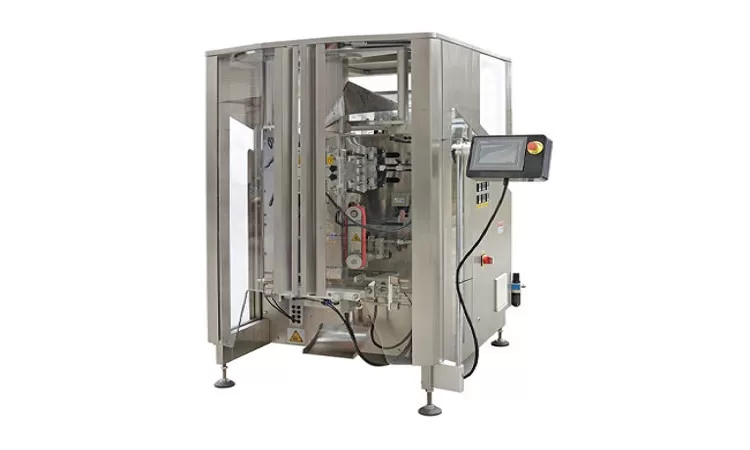
VFFS Equipment: The Ultimate Guide to Vertical Form Fill Seal Technology
13-03-2026 -
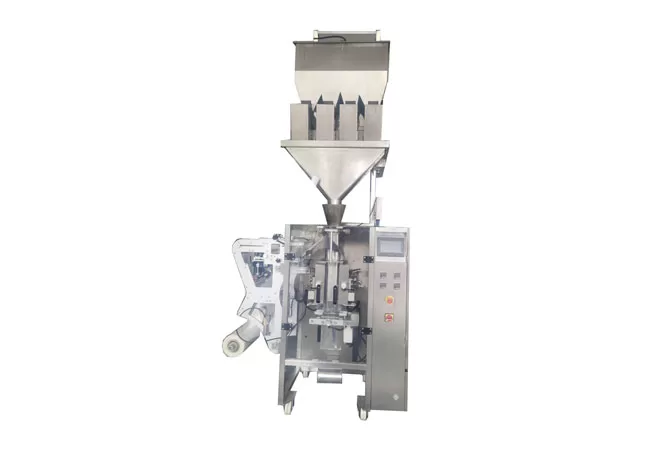
The Essential Guide to Weight Packing Machines for Precision Weighing
12-03-2026 -
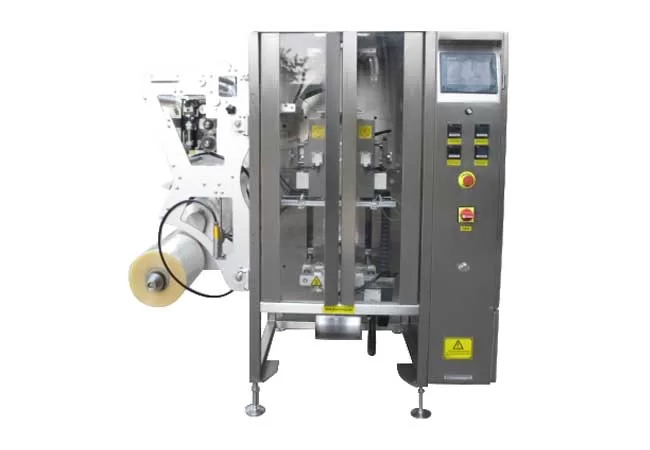
Power Packing Machine: The Ultimate Guide to Heavy-Duty Packaging Efficiency
11-03-2026 -
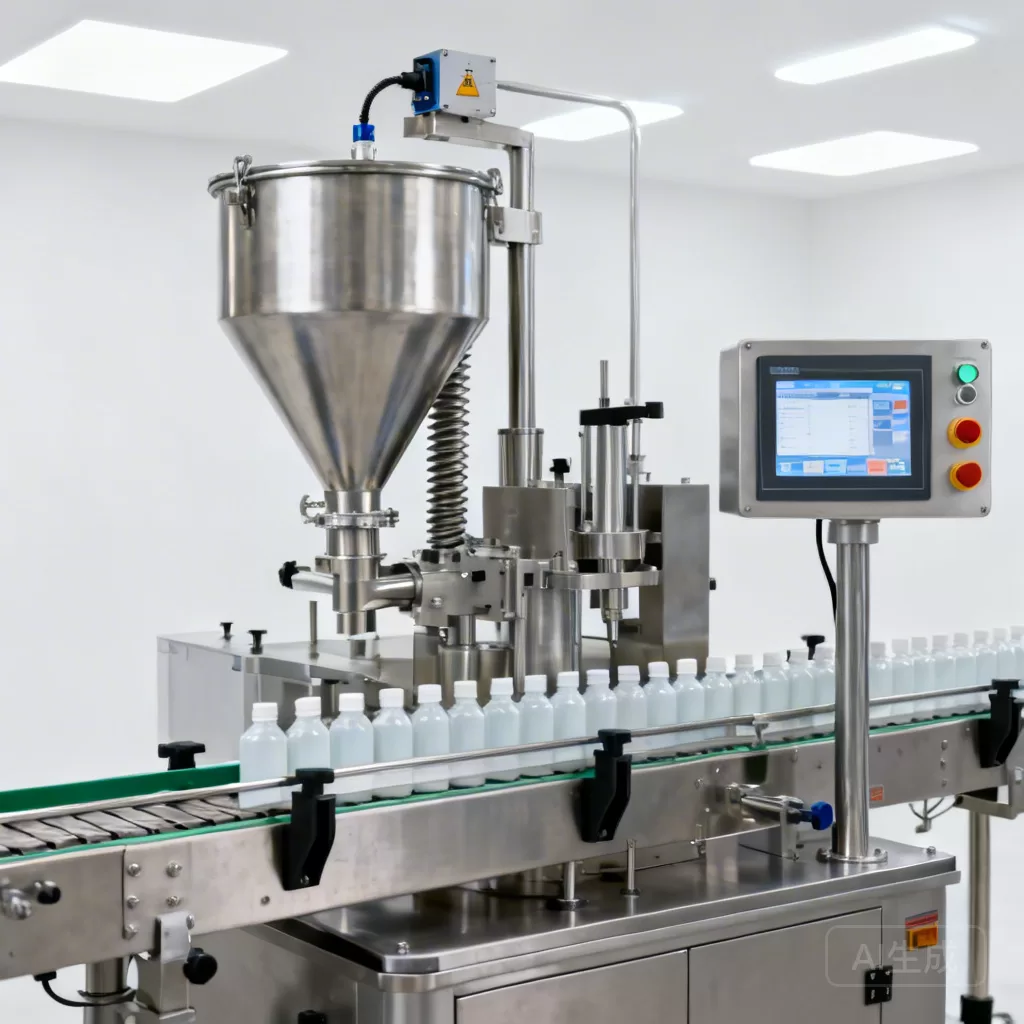
Weigher Packing Machine: The Definitive Guide to Precision Weighing & Packaging
10-03-2026 -
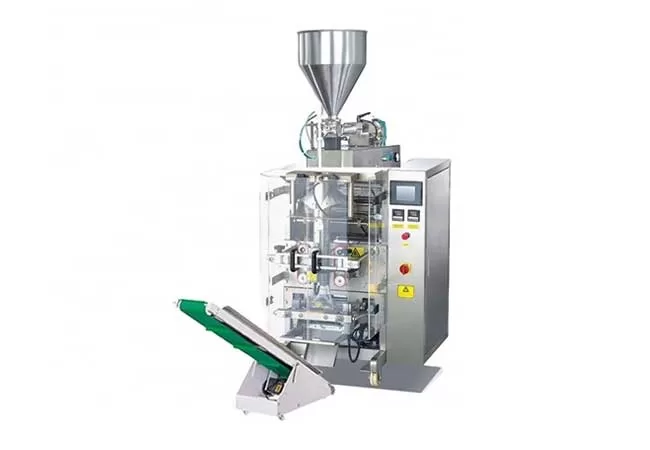
Auger Type Powder Filling Machine: The Ultimate Guide to Precision Packaging
09-03-2026 -
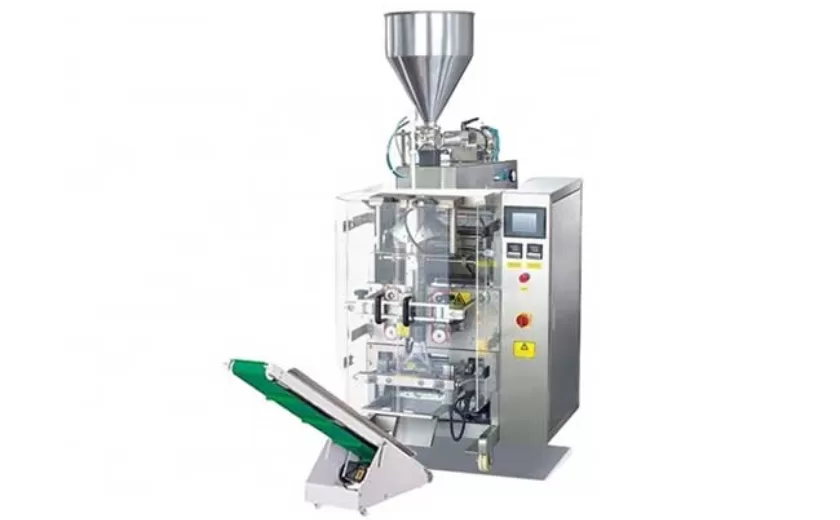
Advanced Packing Solutions: Snacks, Sugar, and Frozen Food Machines
29-10-2025 -
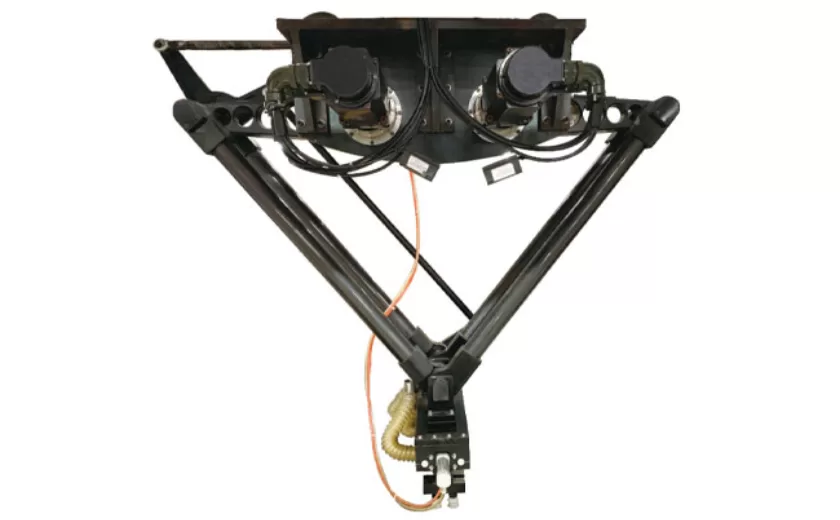
Efficient and Reliable Solutions for Salt, Nuts, and Frozen Dumplings Packing
29-10-2025 -
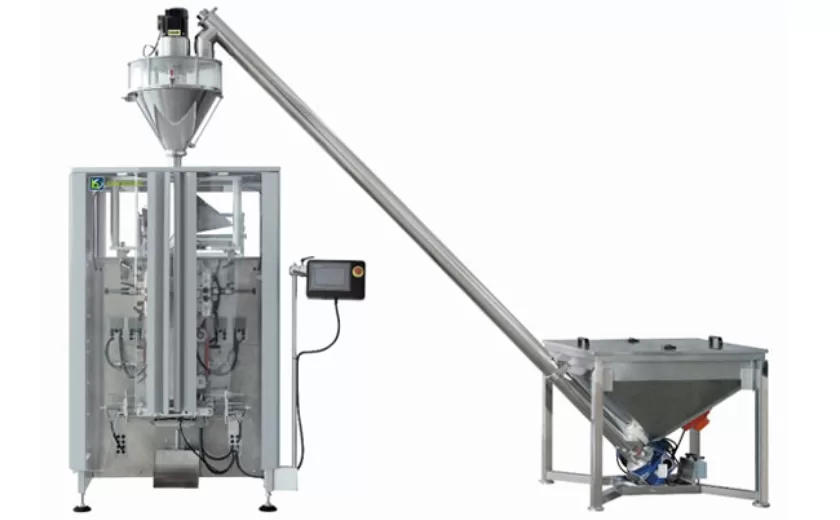
High-Performance Biscuits, Lollipop, and Ketchup Packing Machines for Modern Food Production
29-10-2025 -
Efficient Liquid Filling and Packing Machines for Modern Production
23-10-2025 -
Reliable Granule Packaging Machines for Efficient Production
23-10-2025
