
When Is the Right Time to Implement Liquid Sachet Packing Technology?
Liquid sachet packing technology offers numerous advantages, from enhanced product shelf life to reduced packaging waste. However, determining the optimal time for implementation requires careful consideration of various factors. This article explores the key aspects to evaluate when making this decision.
Market Demand and Product Compatibility
Successful implementation hinges on market demand for liquid sachets. Conduct thorough market research to assess the target audience’s preferences and packaging needs. Consider the specific product’s viscosity, shelf stability, and whether it benefits from single-serve packaging. Determine if liquid sachets align with the brand’s image and consumer expectations.
Production Capacity and Costs
Evaluate the production capacity of the existing packaging line and its compatibility with liquid sachet technology. Assess the need for additional equipment, including filling machines, sealing systems, and inspection devices. Calculate the total capital investment required and consider the ongoing operating costs, such as materials, labor, and maintenance. Ensure the investment aligns with the projected return on investment and long-term business goals.
Regulatory Compliance and Packaging Standards
Liquid sachet packaging must adhere to strict regulatory standards, including food safety, environmental protection, and labeling requirements. Conduct thorough due diligence to verify the technology meets all applicable regulations. Ensure the sachets are manufactured from safe and compliant materials and that the packaging process adheres to industry best practices.
Customer Convenience and Brand Perception
Liquid sachets offer increased convenience for consumers. Evaluate their potential impact on product usability, ease of transport, and storage. Consider the brand perception associated with liquid sachets. Determine if they enhance the product’s image as modern, convenient, or sustainable. Conduct consumer research to gauge their receptiveness to this packaging format.
Environmental Sustainability
Sustainability is a growing concern for consumers and businesses alike. Liquid sachets can offer environmental benefits by reducing packaging waste compared to traditional bottles or jars. Assess the overall environmental impact of the sachets, including their materials, production, and disposal. Consider their contribution to the company’s sustainability goals and alignment with the values of target consumers.
The decision to implement liquid sachet packing technology should be carefully considered based on the factors discussed above. By evaluating market demand, production capacity, regulatory compliance, customer convenience, and environmental sustainability, businesses can determine the optimal time for adoption. A thorough analysis enables informed decision-making and a successful transition to this innovative packaging solution.


-
VFFS Equipment: The Ultimate Guide to Vertical Form Fill Seal Technology
13-03-2026 -
The Essential Guide to Weight Packing Machines for Precision Weighing
12-03-2026 -
Power Packing Machine: The Ultimate Guide to Heavy-Duty Packaging Efficiency
11-03-2026 -
Weigher Packing Machine: The Definitive Guide to Precision Weighing & Packaging
10-03-2026 -
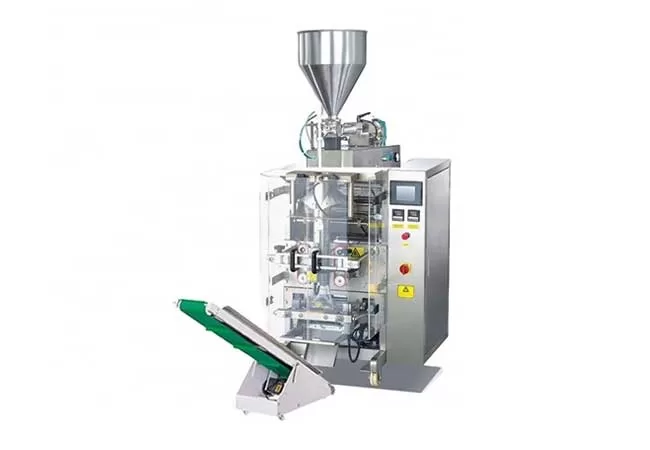
Auger Type Powder Filling Machine: The Ultimate Guide to Precision Packaging
09-03-2026 -
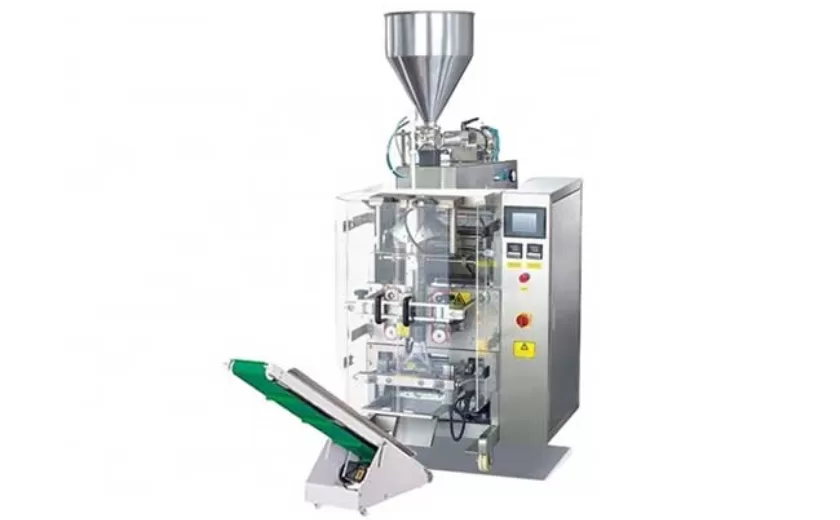
Advanced Packing Solutions: Snacks, Sugar, and Frozen Food Machines
29-10-2025 -
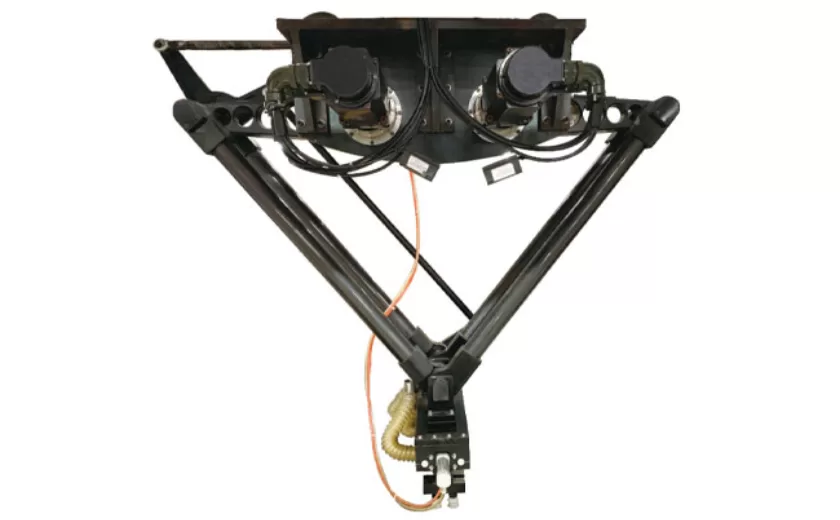
Efficient and Reliable Solutions for Salt, Nuts, and Frozen Dumplings Packing
29-10-2025 -
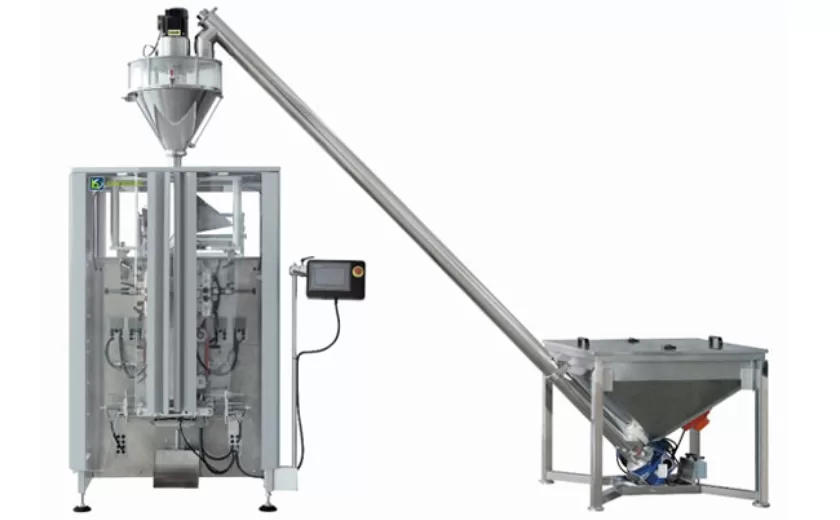
High-Performance Biscuits, Lollipop, and Ketchup Packing Machines for Modern Food Production
29-10-2025 -
Efficient Liquid Filling and Packing Machines for Modern Production
23-10-2025 -
Reliable Granule Packaging Machines for Efficient Production
23-10-2025
