
What Safety Standards Should Be Followed in Tomato Paste Packaging?
Tomato paste, a ubiquitous culinary staple, requires meticulous packaging to preserve its quality and safety. Adhering to stringent safety standards is paramount to ensure the integrity of this essential ingredient. Let’s explore the critical safety guidelines that should be strictly followed in tomato paste packaging.
Meeting Food Safety Regulations
Foremost, tomato paste packaging must comply with all applicable food safety regulations set by government agencies. These regulations govern the materials used in packaging, sanitation practices, and labeling requirements. Failure to meet these standards can lead to product recalls, fines, and damage to brand reputation.
Preserving Nutritional Value
Proper packaging plays a crucial role in maintaining the nutritional value of tomato paste. Moisture, oxygen, and light can degrade essential nutrients, such as vitamins and antioxidants. To prevent degradation, the packaging must be airtight and protect the paste from sunlight.
Preventing Microbial Contamination
Tomato paste is susceptible to microbial contamination, which can compromise its safety and shelf life. Packaging must create a barrier against microorganisms to prevent their entry. Sterile packaging techniques, coupled with the use of antimicrobial materials, are essential to ensure the microbiological safety of the paste.
Minimizing Physical Damage
Physical damage, such as dents or tears, can allow contaminants to enter the packaging and compromise the integrity of the tomato paste. Sturdy packaging materials and appropriate cushioning can safeguard the product from physical damage during handling, transportation, and storage.
Facilitating Traceability
Effective packaging enables traceability throughout the supply chain. Clear and accurate labeling, including batch numbers and expiration dates, allows for prompt product identification and recall in case of safety concerns. This information also helps consumers make informed choices and ensures transparency in the food industry.
Protecting Against Counterfeiting
Counterfeiting is a major concern in the food industry, and tomato paste is no exception. Secure packaging can deter counterfeiting by incorporating anti-counterfeiting measures such as tamper-evident seals, unique identifiers, and holograms. These measures protect consumers from fraudulent products and safeguard brand reputation.
Environmental considerations
Sustainable packaging practices are essential to minimize the environmental impact of tomato paste production. Using biodegradable or recyclable materials reduces waste and promotes a circular economy. Additionally, optimizing packaging size and minimizing transport emissions can further reduce the environmental footprint of tomato paste packaging.
By adhering to these safety standards, tomato paste manufacturers can ensure the safety, quality, and integrity of their products. Consumers, in turn, can trust that the tomato paste they purchase meets the highest standards of food safety and is packaged in a responsible and sustainable manner.


-
VFFS Equipment: The Ultimate Guide to Vertical Form Fill Seal Technology
13-03-2026 -
The Essential Guide to Weight Packing Machines for Precision Weighing
12-03-2026 -
Power Packing Machine: The Ultimate Guide to Heavy-Duty Packaging Efficiency
11-03-2026 -

Weigher Packing Machine: The Definitive Guide to Precision Weighing & Packaging
10-03-2026 -
Auger Type Powder Filling Machine: The Ultimate Guide to Precision Packaging
09-03-2026 -
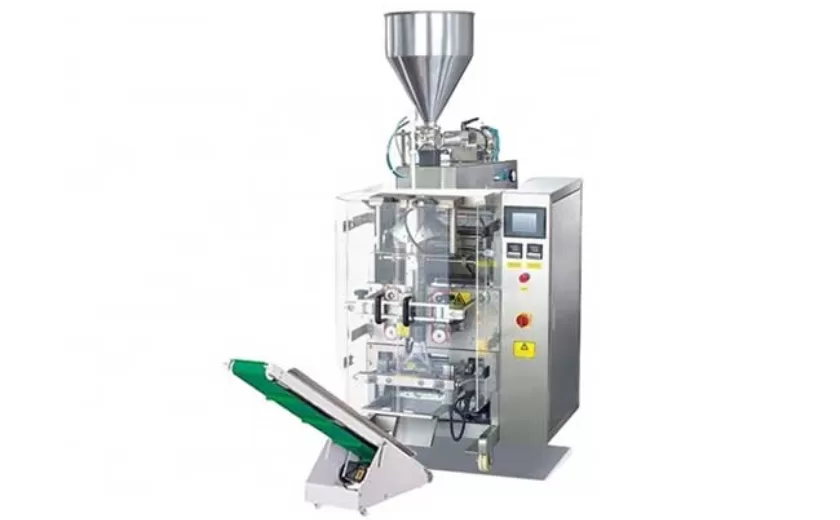
Advanced Packing Solutions: Snacks, Sugar, and Frozen Food Machines
29-10-2025 -

Efficient and Reliable Solutions for Salt, Nuts, and Frozen Dumplings Packing
29-10-2025 -
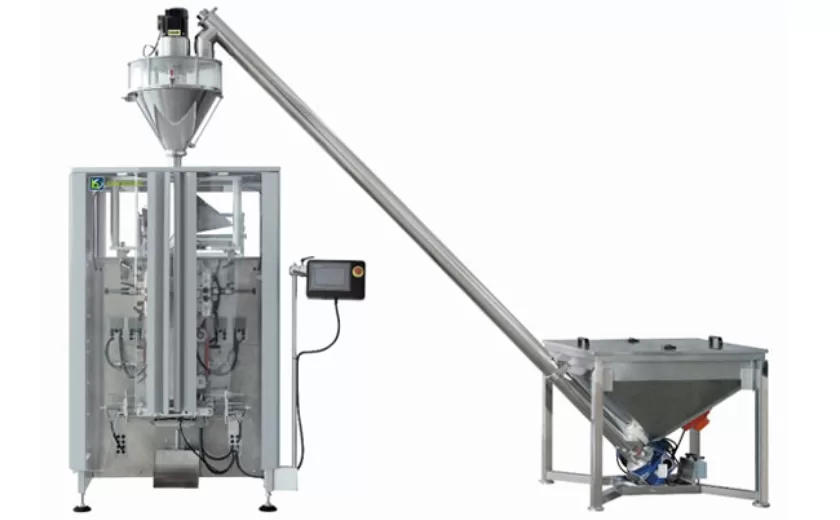
High-Performance Biscuits, Lollipop, and Ketchup Packing Machines for Modern Food Production
29-10-2025 -
Efficient Liquid Filling and Packing Machines for Modern Production
23-10-2025 -
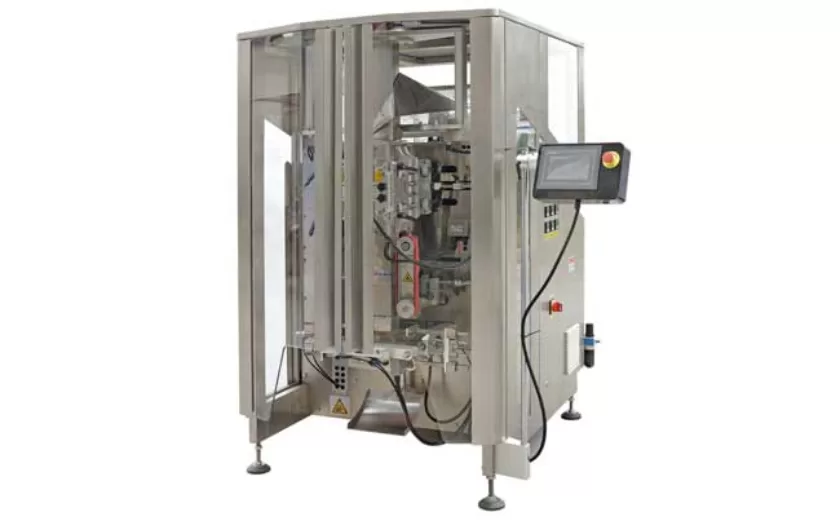
Reliable Granule Packaging Machines for Efficient Production
23-10-2025
