
What Safety Standards Should Be Followed When Using Weight and Packing Machines?
Weight and packing machines are essential tools in various industries, ensuring accurate and efficient packaging operations. However, improper use of these machines can lead to accidents and injuries. Therefore, it is crucial to adhere to established safety standards to minimize risks and maintain a safe working environment.
Machine Guards and Protective Devices
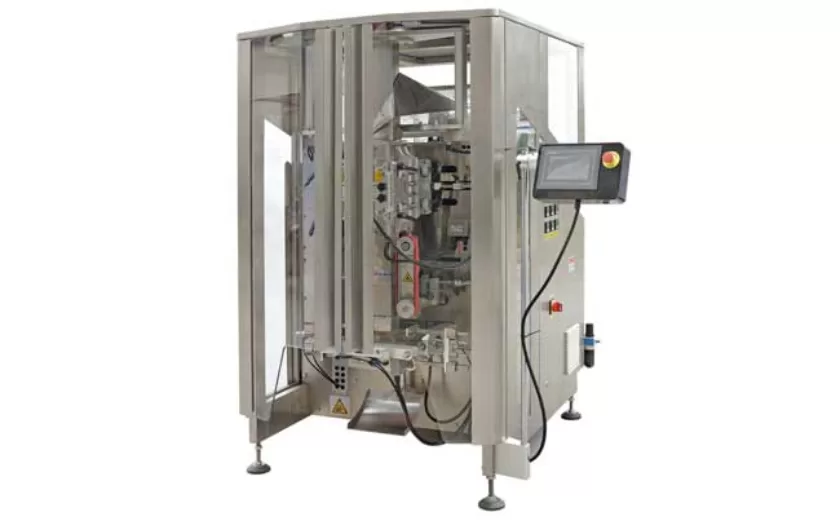
Weight and packing machines should be equipped with appropriate machine guards and protective devices to prevent operators from coming into contact with hazardous moving parts. These guards should be securely attached to the machine and prevent access to pinch points, exposed gears, and other potential hazards.
Enclosure Guards: Complete enclosure guards fully surround hazardous areas, providing maximum protection.
Interlocking Guards: Interlocking guards disable the machine when opened, preventing operators from accessing dangerous areas while the machine is running.
Belt Guards: Belt guards cover exposed belts and pulleys to prevent contact with clothing or body parts.
Electrical Safety
Electrical components and wiring pose potential electrical hazards. To ensure safety, proper electrical installation, grounding, and maintenance are essential.
Proper Grounding: All electrical equipment should be properly grounded to prevent electrical shock hazards.
Adequate Wiring: Wiring should be of appropriate size and insulation to handle the electrical load of the machine.
Electrical Maintenance: Regular electrical inspections and maintenance should be conducted to detect and repair any potential issues.
Ergonomic Considerations
Weight and packing machines often involve repetitive movements and prolonged standing. Proper ergonomic considerations can minimize the risk of musculoskeletal disorders.
Adjustable Workstations: Adjust the height of workstations to suit the operator’s height and posture.
Anti-fatigue Mats: Anti-fatigue mats provide support and reduce strain on feet and legs when standing for extended periods.
Proper Lifting Techniques: Train operators on proper lifting techniques to avoid back injuries.
Operator Training and Supervision
Qualified and well-trained operators are essential for safe machine operation. Proper training should cover all aspects of machine operation, including safety procedures and emergency response.
Initial Training: All operators should receive comprehensive training before operating the machine.
Ongoing Training: Refresher training should be provided periodically to ensure operators stay up-to-date with safety protocols.
Supervision: Operators should be supervised by a qualified person who can provide assistance and ensure compliance with safety standards.
Maintenance and Inspection
Regular maintenance and inspections help identify and address potential hazards, ensuring the safe operation of weight and packing machines.
Scheduled Maintenance: Follow the manufacturer’s maintenance schedule for routine inspections, lubrication, and repairs.
Emergency Repairs: Any suspected malfunction or safety hazard should be addressed promptly by qualified personnel.
Regular Inspections: Perform daily and weekly inspections to check for loose or damaged parts, electrical issues, and other potential problems.
Emergency Procedures
In the event of an emergency, prompt and effective action is crucial. Establish clear emergency procedures and train operators in their implementation.
Emergency Stop Buttons: Ensure emergency stop buttons are easily accessible and clearly marked.
Emergency Shutoffs: Provide emergency shutoff switches for electrical and mechanical systems.
Evacuation Procedures: Establish evacuation procedures for emergencies such as fires or equipment malfunctions.


-
VFFS Equipment: The Ultimate Guide to Vertical Form Fill Seal Technology
13-03-2026 -
The Essential Guide to Weight Packing Machines for Precision Weighing
12-03-2026 -
Power Packing Machine: The Ultimate Guide to Heavy-Duty Packaging Efficiency
11-03-2026 -
Weigher Packing Machine: The Definitive Guide to Precision Weighing & Packaging
10-03-2026 -
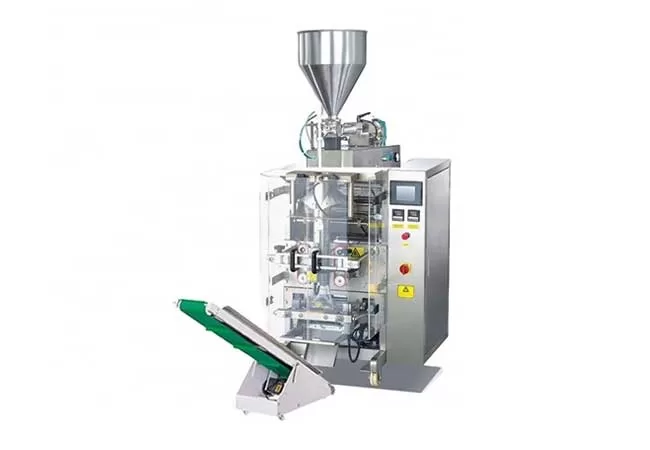
Auger Type Powder Filling Machine: The Ultimate Guide to Precision Packaging
09-03-2026 -
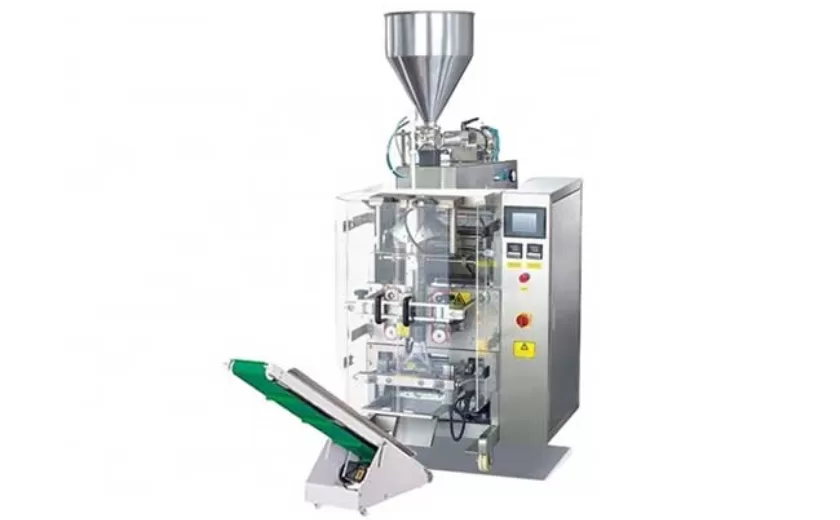
Advanced Packing Solutions: Snacks, Sugar, and Frozen Food Machines
29-10-2025 -
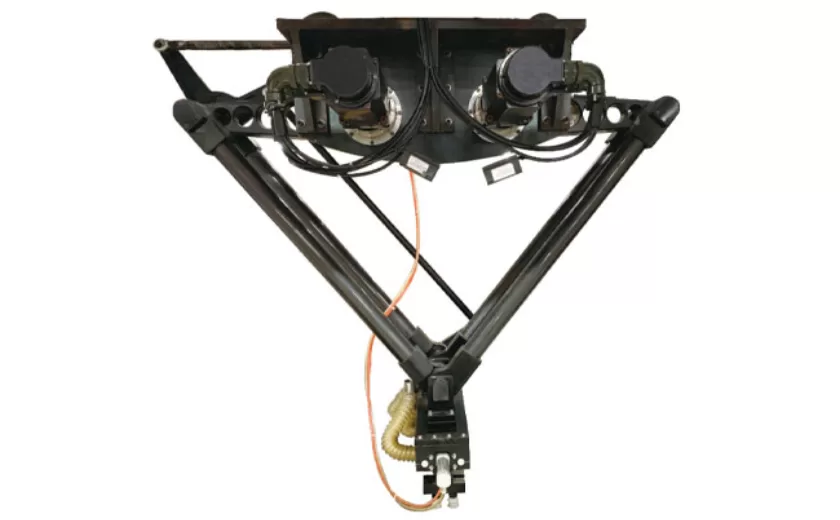
Efficient and Reliable Solutions for Salt, Nuts, and Frozen Dumplings Packing
29-10-2025 -
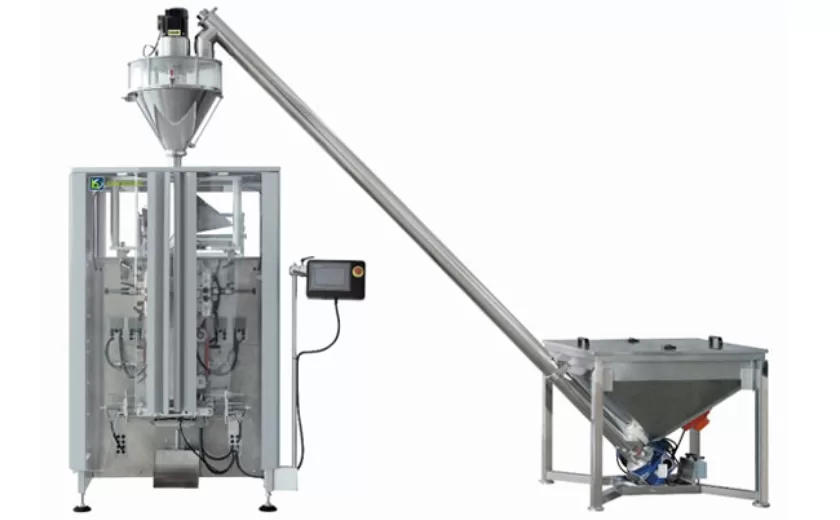
High-Performance Biscuits, Lollipop, and Ketchup Packing Machines for Modern Food Production
29-10-2025 -
Efficient Liquid Filling and Packing Machines for Modern Production
23-10-2025 -
Reliable Granule Packaging Machines for Efficient Production
23-10-2025
