
What are the best practices for using a semi-automatic weigh filler?
What are the Best Practices for Using a Semi-Automatic Weigh Filler?
In today’s fast-paced manufacturing environment, efficiency and accuracy are critical for success. Semi-automatic weigh fillers play a vital role in streamlining the filling process and ensuring product quality. By adhering to best practices, manufacturers can optimize the performance of their semi-automatic weigh fillers, maximize productivity, and minimize errors.
Proper Installation and Setup
– Ensure the weigh filler is installed on a level and stable surface to prevent vibrations that can affect accuracy.
– Calibrate the weigh filler regularly to maintain precise weighing results. Use calibrated weights to verify accuracy and adjust settings accordingly.
– Proper maintenance, including cleaning and lubrication, is essential to extend the lifespan of the weigh filler and ensure optimal performance.
Selecting the Right Container
– Choose containers that are compatible with the weigh filler’s design and specifications.
– Ensure that the containers are clean and free of any debris or moisture that could interfere with filling accuracy.
– Use containers with appropriate fill volumes to match the weigh filler’s capacity and minimize overfilling or underfilling.
Calibrating and Maintaining Accuracy
– Regular calibration is crucial for maintaining accurate weighing.
– Use calibrated weights to perform calibration checks and make necessary adjustments to the weighing system.
– Perform routine maintenance and inspections to ensure the weigh filler is functioning optimally and detect any potential issues early on.
Operating Procedures
– Train operators thoroughly on the proper use and operation of the weigh filler.
– Establish clear operating procedures and ensure operators follow them consistently.
– Monitor the filling process closely and make adjustments as needed to maintain accuracy and productivity.
Quality Control and Inspection
– Implement quality control measures to monitor the filling process and ensure product quality.
– Regularly inspect filled containers for accuracy, seal integrity, and other quality attributes.
– Maintain records of quality control inspections to track performance and identify any potential issues or areas for improvement.
Safety Considerations
– Ensure that all safety precautions are followed during the operation and maintenance of the weigh filler.
– Wear appropriate protective equipment, such as gloves and goggles, when handling materials or cleaning the weigh filler.
– Regularly inspect electrical connections and ensure they are secure to prevent accidents.


-
VFFS Equipment: The Ultimate Guide to Vertical Form Fill Seal Technology
13-03-2026 -
The Essential Guide to Weight Packing Machines for Precision Weighing
12-03-2026 -
Power Packing Machine: The Ultimate Guide to Heavy-Duty Packaging Efficiency
11-03-2026 -
Weigher Packing Machine: The Definitive Guide to Precision Weighing & Packaging
10-03-2026 -
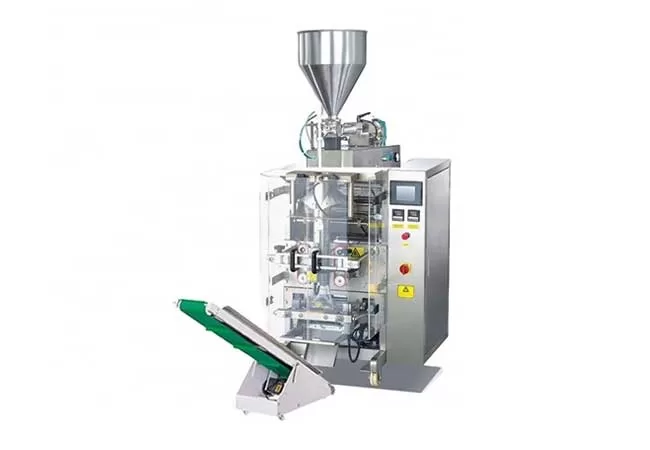
Auger Type Powder Filling Machine: The Ultimate Guide to Precision Packaging
09-03-2026 -
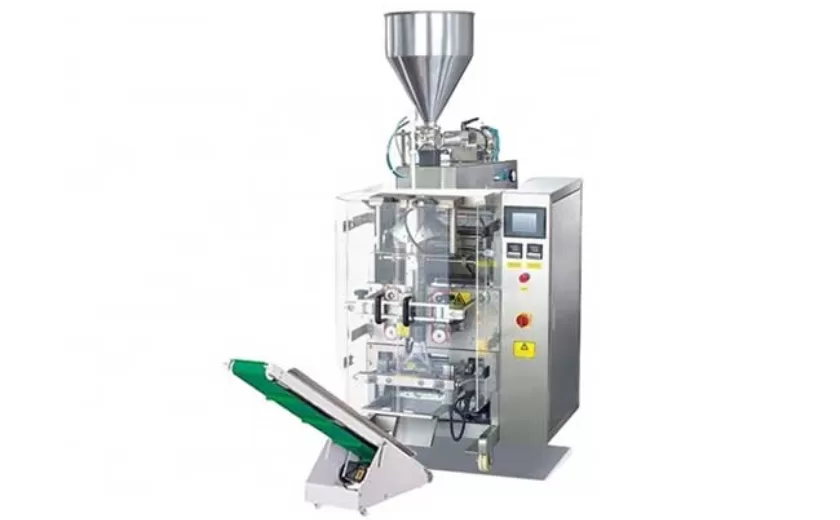
Advanced Packing Solutions: Snacks, Sugar, and Frozen Food Machines
29-10-2025 -
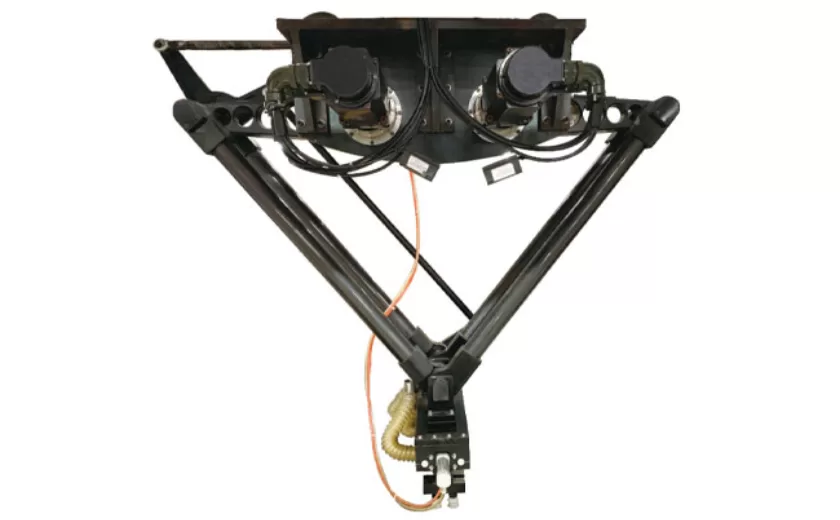
Efficient and Reliable Solutions for Salt, Nuts, and Frozen Dumplings Packing
29-10-2025 -
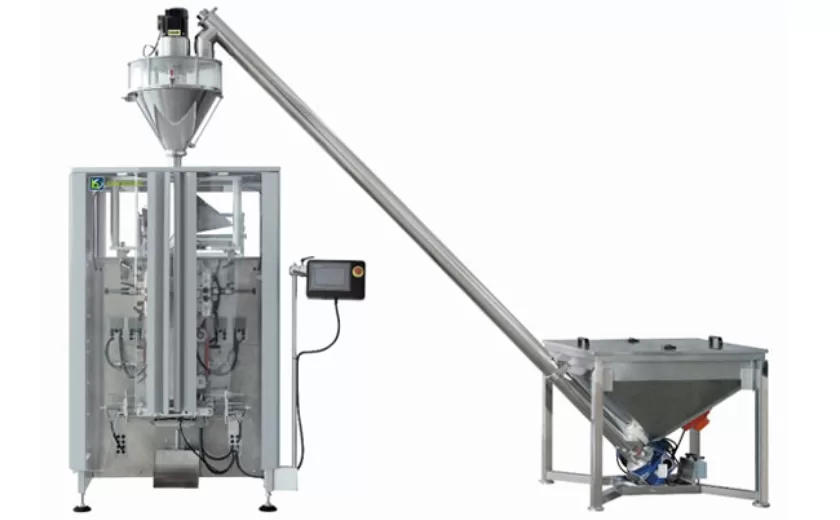
High-Performance Biscuits, Lollipop, and Ketchup Packing Machines for Modern Food Production
29-10-2025 -
Efficient Liquid Filling and Packing Machines for Modern Production
23-10-2025 -
Reliable Granule Packaging Machines for Efficient Production
23-10-2025
