
How to Troubleshoot Common Issues with Multihead Weighers
Multihead weighers are complex and precise machines that can experience occasional issues. Understanding the common problems and their solutions can help ensure uninterrupted operation and optimal performance. This article provides a comprehensive guide to troubleshooting common issues with multihead weighers.
Inaccurate Weighing
Damaged Load Cells: Load cells can become damaged due to mishandling or overloads. Inspect the load cells for visible damage and ensure they are securely mounted.
Miscalibration: Multihead weighers require regular calibration to maintain accuracy. Check the calibration schedule and perform a calibration if necessary.
Electrical Interference: Electrical interference from nearby equipment can affect the weighing process. Ensure proper grounding and isolate the weigher from potential sources of interference.
Poor Product Flow
Blockages: Product flow can be obstructed by debris or foreign objects in the vibratory trays or chutes. Inspect and remove any blockages.
Insufficient Product Supply: Ensure that the weigher is receiving an adequate supply of product. Check the hopper level and adjust the feeding rate if necessary.
Defective Vibrators: Vibrators are responsible for product distribution. Test the vibrators and replace any that are malfunctioning.
Mechanical Issues
Belt Tension: Loose belts can cause slippage and inaccurate weighing. Adjust the belt tension to the manufacturer’s specifications.
Worn Bearings: Worn bearings can lead to uneven motion and other mechanical issues. Lubricate the bearings regularly and replace them if necessary.
Damaged Discharge Mechanism: The discharge mechanism is responsible for releasing products from the weigher. Inspect the discharge mechanism for damage and repair or replace as needed.
Electrical Issues
Power Supply Fluctuations: Power supply fluctuations can cause the weigher to malfunction. Ensure that the weigher is connected to a stable power source.
Electrical Connections: Loose or damaged electrical connections can disrupt communication between the weigher’s components. Check all electrical connections and tighten or repair as necessary.
Controller Malfunctions: The weigher’s controller is responsible for its overall operation. If the controller malfunctions, it can cause a variety of issues. Reset the controller or contact a service technician for further troubleshooting.
Other Issues
Operator Error: Incorrect operation can lead to weighing errors. Ensure that operators are properly trained and follow operating procedures.
Product Characteristics: Certain product characteristics, such as stickiness or clumping, can affect weighing accuracy. Adjust the feeding rate and weigher settings accordingly.
Environmental Conditions: Extreme temperatures or humidity can affect the weigher’s performance. Ensure that the operating environment meets the manufacturer’s specifications.


-
VFFS Equipment: The Ultimate Guide to Vertical Form Fill Seal Technology
13-03-2026 -
The Essential Guide to Weight Packing Machines for Precision Weighing
12-03-2026 -
Power Packing Machine: The Ultimate Guide to Heavy-Duty Packaging Efficiency
11-03-2026 -
Weigher Packing Machine: The Definitive Guide to Precision Weighing & Packaging
10-03-2026 -
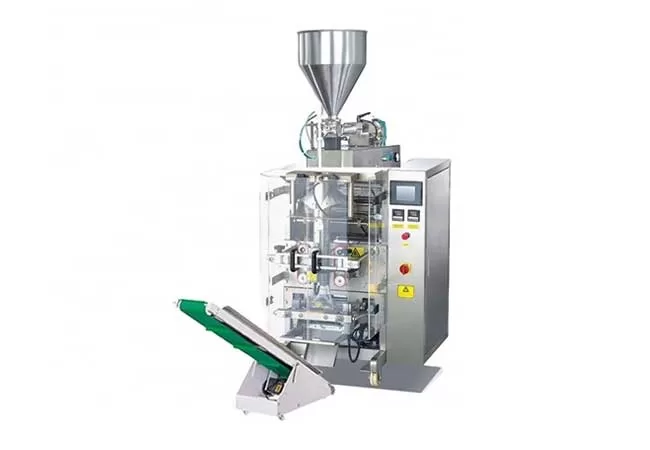
Auger Type Powder Filling Machine: The Ultimate Guide to Precision Packaging
09-03-2026 -
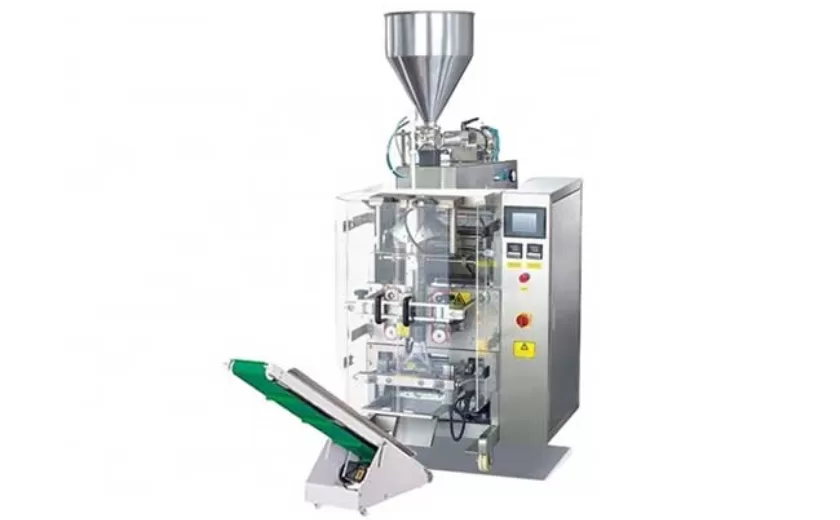
Advanced Packing Solutions: Snacks, Sugar, and Frozen Food Machines
29-10-2025 -
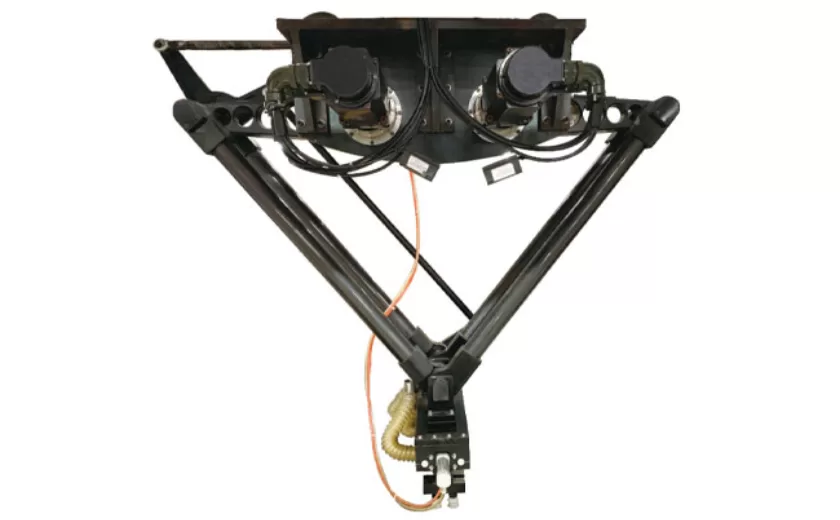
Efficient and Reliable Solutions for Salt, Nuts, and Frozen Dumplings Packing
29-10-2025 -
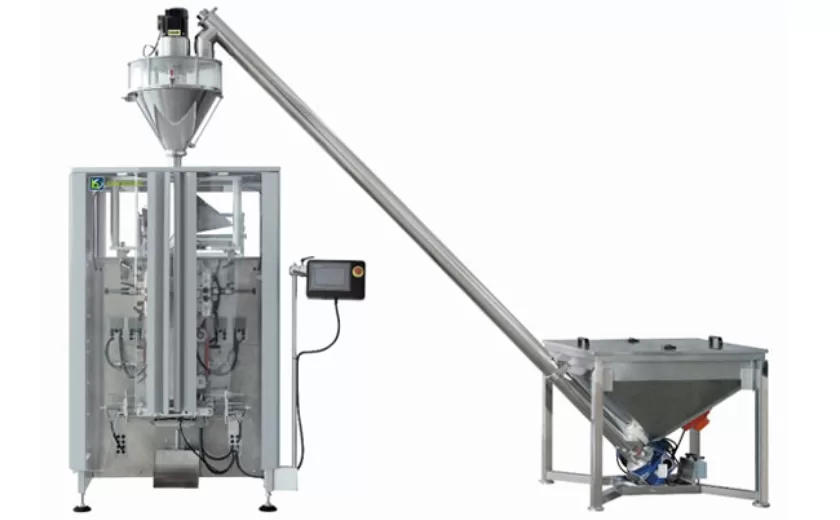
High-Performance Biscuits, Lollipop, and Ketchup Packing Machines for Modern Food Production
29-10-2025 -
Efficient Liquid Filling and Packing Machines for Modern Production
23-10-2025 -
Reliable Granule Packaging Machines for Efficient Production
23-10-2025
