
How to Train Staff on Efficient Operation of Sauce Pouch Packing Equipment
1. Introduction
In today’s fast-paced food industry, maximizing efficiency is crucial. Training staff on efficient operation of sauce pouch packing equipment is essential to ensure smooth production, reduce waste, and increase productivity. This comprehensive guide outlines best practices for training staff to optimize the performance of sauce pouch packing equipment.
2. Equipment Overview and Safety
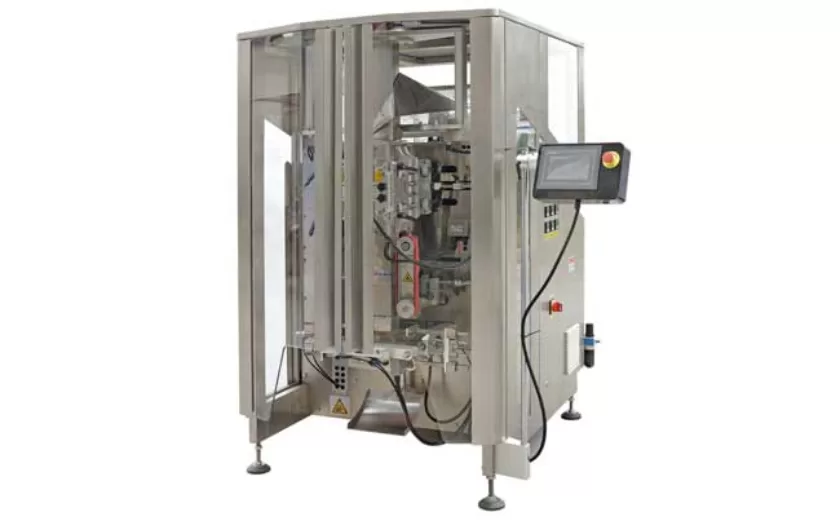
Familiarize staff with the various components of the sauce pouch packing equipment, including the hopper, filling nozzles, and sealing unit. Emphasize safety protocols, such as wearing appropriate personal protective equipment (PPE) and following lockout/tagout procedures when performing maintenance.
3. Material Handling and Preparation
Proper material handling ensures the quality and consistency of the packaged sauce. Train staff on selecting suitable sauce viscosity and handling techniques to prevent spills and blockages. Ensure they understand the importance of maintaining proper sauce temperature for optimal filling and sealing.
4. Equipment Setup and Calibration
Guide staff through the setup and calibration process. Explain the significance of adjusting equipment parameters, such as fill volume, sealing temperature, and dwell time. Provide troubleshooting tips for resolving common issues encountered during setup and calibration.
5. Filling and Sealing Process
Train staff on the optimal filling and sealing techniques for sauce pouches. Demonstrate the correct nozzle alignment, filling speed, and sealing pressure to achieve secure and leak-free pouches. Emphasize the importance of monitoring product quality and making adjustments as needed.
6. Packaging and Storage
After filling and sealing, proper packaging and storage are essential to maintain product integrity. Train staff on the appropriate packaging materials, sealing techniques, and storage conditions for sauce pouches. Highlight the importance of adhering to labeling and traceability requirements.
7. Maintenance and Troubleshooting
Regular maintenance is crucial to prevent equipment downtime and ensure optimal performance. Train staff on daily cleaning procedures, lubrication schedules, and preventive maintenance tasks. Empower them with troubleshooting skills to identify and resolve minor issues that may arise during the operation.
8. Training Evaluation and Continuous Improvement
Regularly evaluate training effectiveness through performance observations, knowledge assessments, and feedback from staff. Implement continuous improvement measures based on feedback and industry best practices to enhance equipment performance and staff proficiency.


-
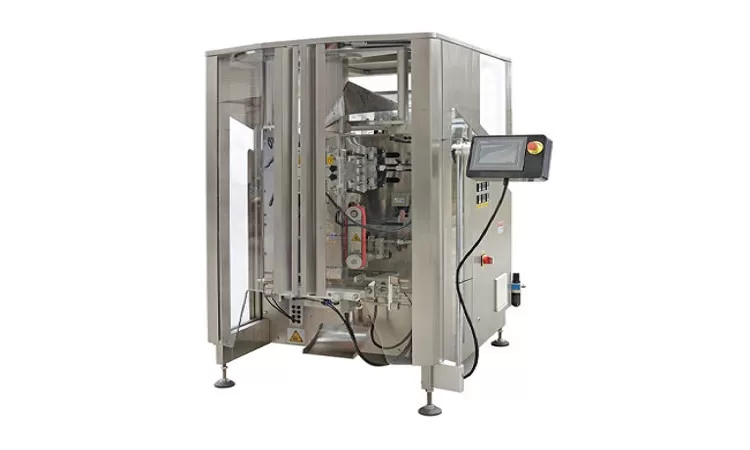
VFFS Equipment: The Ultimate Guide to Vertical Form Fill Seal Technology
13-03-2026 -
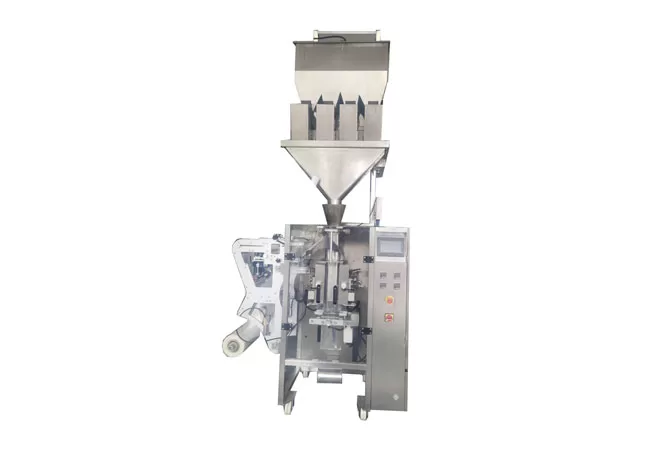
The Essential Guide to Weight Packing Machines for Precision Weighing
12-03-2026 -
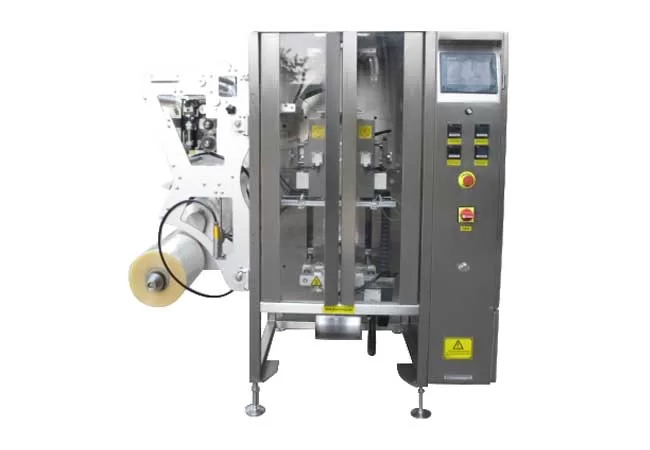
Power Packing Machine: The Ultimate Guide to Heavy-Duty Packaging Efficiency
11-03-2026 -
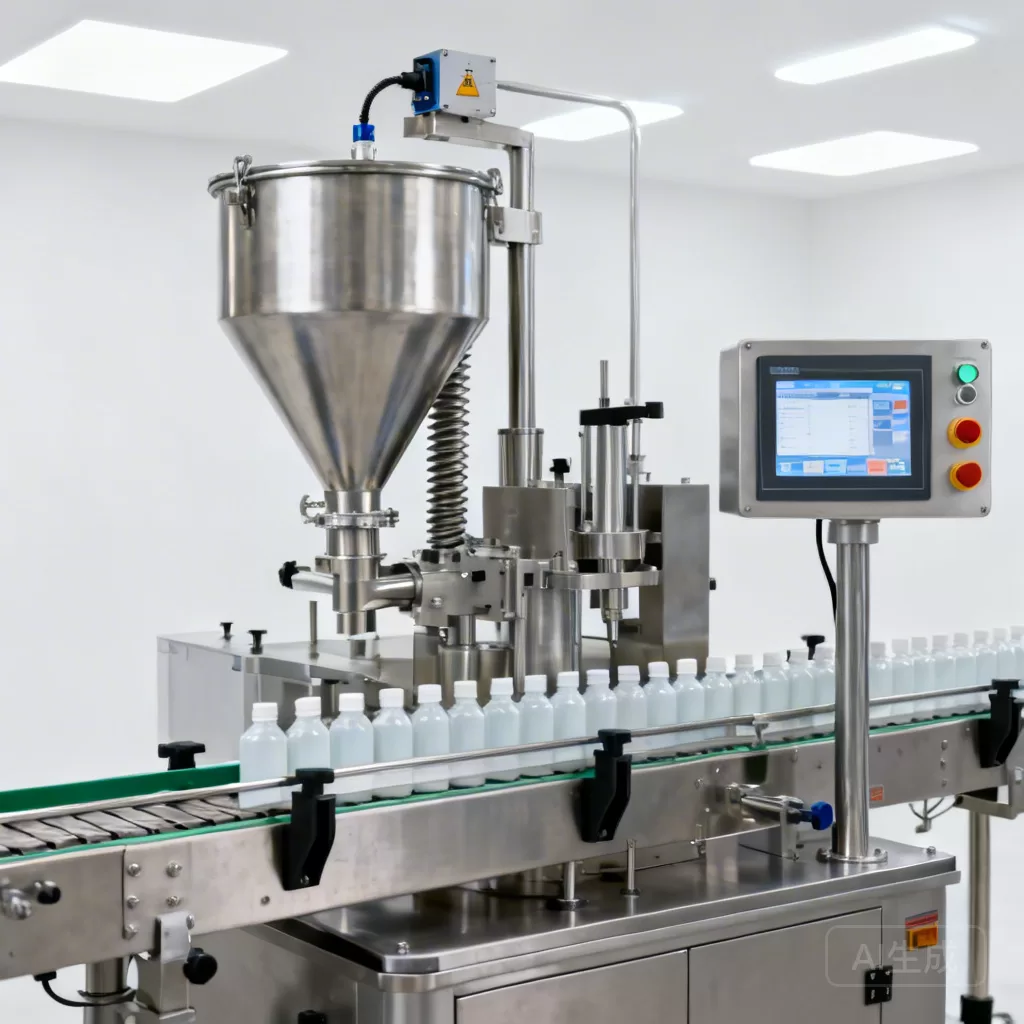
Weigher Packing Machine: The Definitive Guide to Precision Weighing & Packaging
10-03-2026 -
Auger Type Powder Filling Machine: The Ultimate Guide to Precision Packaging
09-03-2026 -
Advanced Packing Solutions: Snacks, Sugar, and Frozen Food Machines
29-10-2025 -
Efficient and Reliable Solutions for Salt, Nuts, and Frozen Dumplings Packing
29-10-2025 -
High-Performance Biscuits, Lollipop, and Ketchup Packing Machines for Modern Food Production
29-10-2025 -
Efficient Liquid Filling and Packing Machines for Modern Production
23-10-2025 -
Reliable Granule Packaging Machines for Efficient Production
23-10-2025
