
How Powder Pouch Packing Machines Can Handle Different Powder Types
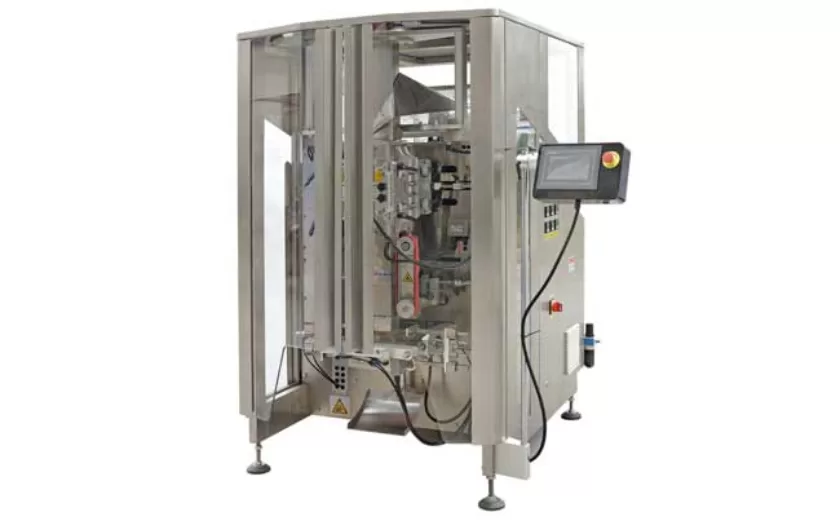
In the food, pharmaceutical, and chemical industries, powder packaging plays a vital role in ensuring product quality, preservation, and convenience. Powder pouch packing machines are designed to efficiently and effectively package various types of powders, accommodating their unique characteristics and handling requirements. This article examines how powder pouch packing machines adeptly handle different powder types, exploring their capabilities and versatility.
Adaptability to Powder Properties
Powder pouch packing machines are designed with adjustable settings to accommodate powders with varying properties, such as density, flowability, and particle size. For low-density powders like flour and starch, the machine can be set to a lower filling speed and reduced compaction to prevent powder compression. Conversely, for high-density powders like spices and pharmaceuticals, higher filling speeds and denser compaction are employed to ensure proper product weight and stability.
Considerations for Flowability
Powders exhibit different flow characteristics, which can affect their handling during packaging. Free-flowing powders like sugar and salt can be easily dispensed, allowing for consistent and speedy filling. Machines designed for these powders incorporate vibratory systems or agitators to promote powder movement and prevent clumping. Cohesive powders, such as cocoa powder and powdered milk, tend to adhere to surfaces, making them more difficult to dispense. Powder pouch packing machines for cohesive powders use devices like paddle mixers and fluidizing nozzles to break up clumps and ensure smooth flow.
Particle Size and Shape
The particle size and shape of powders also influence their handling. Coarse powders like granulated sugar can be filled using auger fillers, which convey the powder gently with a rotating screw. Fine powders like flour and talcum powder require more specialized filling systems, such as pneumatic fillers that use air pressure to transfer the powder into the pouches. Additionally, fragile powders like freeze-dried products or crystals necessitate careful handling to prevent breakage during the filling process.
Moisture Sensitivity and Temperature Control
Certain powders are sensitive to moisture and temperature fluctuations, which can affect their stability and quality. Moisture-sensitive powders, such as hygroscopic salts, require machines equipped with sealed filling systems and moisture-proof packaging materials to prevent moisture absorption. Temperature-sensitive powders, like pharmaceuticals and fine chemicals, require temperature-controlled filling environments to ensure optimal powder properties and product efficacy.
Sanitary Design and Cleanability
In the food and pharmaceutical industries, sanitary design and cleanability of powder pouch packing machines are paramount. To prevent contamination and maintain product safety, machines are constructed with:
– Stainless steel surfaces that are resistant to corrosion and easy to clean.
– Disassembly mechanisms that allow for quick and thorough cleaning.
– Automatic cleaning systems that use air jets, brushes, or sanitizing agents for thorough disinfection.
Powder pouch packing machines are versatile and adaptable systems designed to handle a wide range of powder types, accommodating their unique properties and handling requirements. They offer adjustable settings, specialized filling mechanisms, and sophisticated control systems to ensure efficient and effective packaging of powders for various industries. By understanding the characteristics of different powder types and utilizing the appropriate machine capabilities, manufacturers can achieve optimal product quality, consistency, and safety.


-
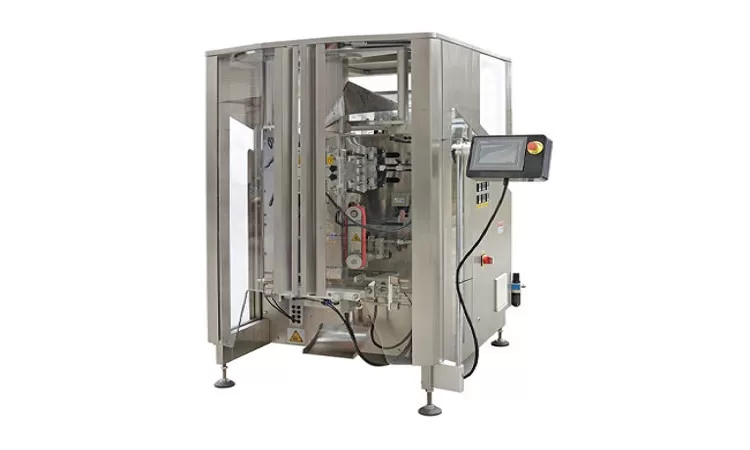
VFFS Equipment: The Ultimate Guide to Vertical Form Fill Seal Technology
13-03-2026 -
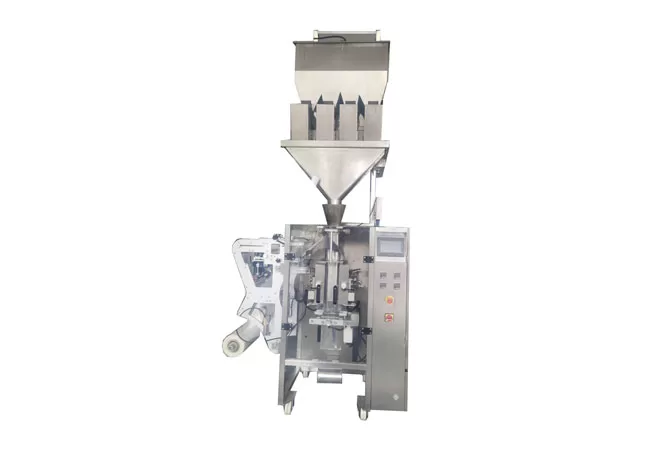
The Essential Guide to Weight Packing Machines for Precision Weighing
12-03-2026 -
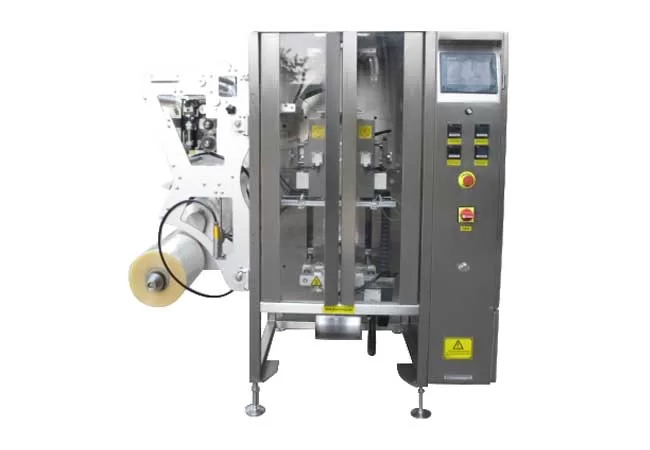
Power Packing Machine: The Ultimate Guide to Heavy-Duty Packaging Efficiency
11-03-2026 -
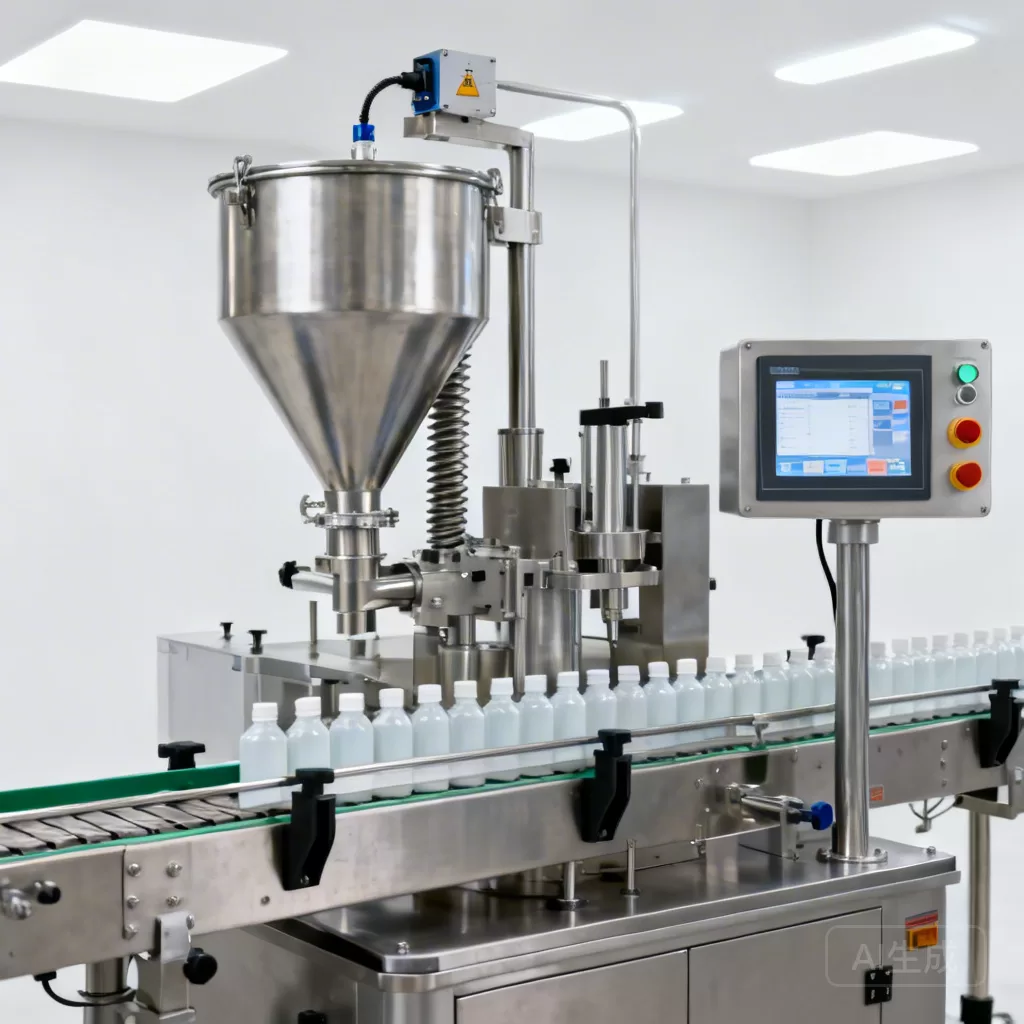
Weigher Packing Machine: The Definitive Guide to Precision Weighing & Packaging
10-03-2026 -
Auger Type Powder Filling Machine: The Ultimate Guide to Precision Packaging
09-03-2026 -
Advanced Packing Solutions: Snacks, Sugar, and Frozen Food Machines
29-10-2025 -
Efficient and Reliable Solutions for Salt, Nuts, and Frozen Dumplings Packing
29-10-2025 -
High-Performance Biscuits, Lollipop, and Ketchup Packing Machines for Modern Food Production
29-10-2025 -
Efficient Liquid Filling and Packing Machines for Modern Production
23-10-2025 -
Reliable Granule Packaging Machines for Efficient Production
23-10-2025
