
Comparing Manual vs. Automatic Pure Water Packaging Machines
Comparing Manual vs. Automatic Pure Water Packaging Machines: A Comprehensive Guide
Introduction
In today’s modern world, the demand for pure, potable water is ever-increasing. To cater to this need, water packaging machines play a crucial role in ensuring the efficient and hygienic production of bottled water. However, the choice between manual and automatic water packaging machines presents a significant decision for businesses. This article delves into a comprehensive comparison of these two types of machines, examining their advantages, disadvantages, and suitability for various scenarios.
Efficiency and Productivity
Manual machines: Require significant manual labor and can be slow and inefficient, especially during peak production periods.
Automatic machines: Operate with minimal human intervention, boasting high speeds and increased productivity. They can package hundreds of bottles per minute, significantly reducing production time and labor costs.
Cost Considerations
Manual machines: Typically less expensive than automatic machines, making them an affordable option for small-scale operations.
Automatic machines: Require a higher initial investment, but offer long-term cost savings through reduced labor expenses and increased productivity. They can also be more versatile, handling multiple bottle sizes and types.
Flexibility and Adaptability
Manual machines: Less flexible than automatic counterparts, requiring significant downtime for adjustments to package different bottle sizes or change production parameters.
Automatic machines: Highly adaptable, allowing for quick and easy adjustment of settings to accommodate variations in bottle size, cap type, and labeling requirements. This flexibility is ideal for businesses with diverse product lines.
Quality Control and Hygiene
Manual machines: Rely on human operators, potentially introducing errors and reducing overall quality. Hygiene can also be compromised due to manual handling of bottles and caps.
Automatic machines: Minimize human intervention, ensuring consistent quality through automated processes. They typically incorporate advanced sanitation systems to maintain hygiene standards, reducing the risk of contamination.
Environmental Sustainability
Manual machines: Often use more energy and water due to frequent manual interventions and inefficient processes.
Automatic machines: Designed to optimize energy consumption and water usage. They employ advanced technologies to minimize waste and reduce overall environmental impact.
The choice between manual and automatic pure water packaging machines ultimately depends on the specific needs of the business. Manual machines are suitable for small-scale operations where cost is a primary consideration. However, for businesses prioritizing efficiency, productivity, flexibility, and quality, automatic water packaging machines offer a superior solution. Their long-term cost-effectiveness, adaptability, and advanced hygiene features make them an excellent investment for businesses seeking to optimize water packaging operations.


-
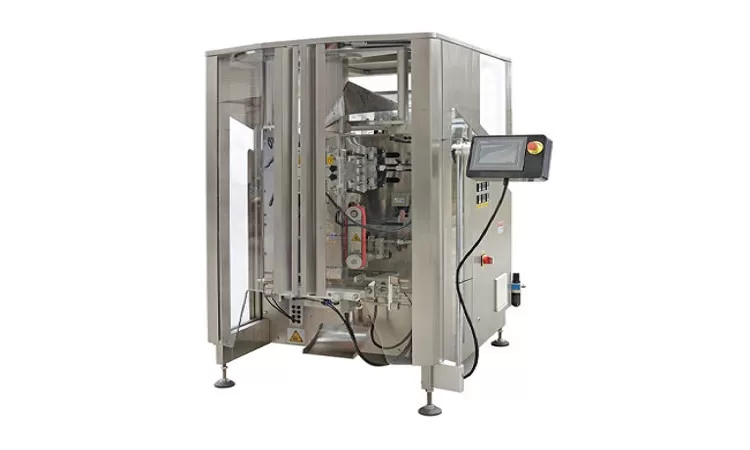
VFFS Equipment: The Ultimate Guide to Vertical Form Fill Seal Technology
13-03-2026 -
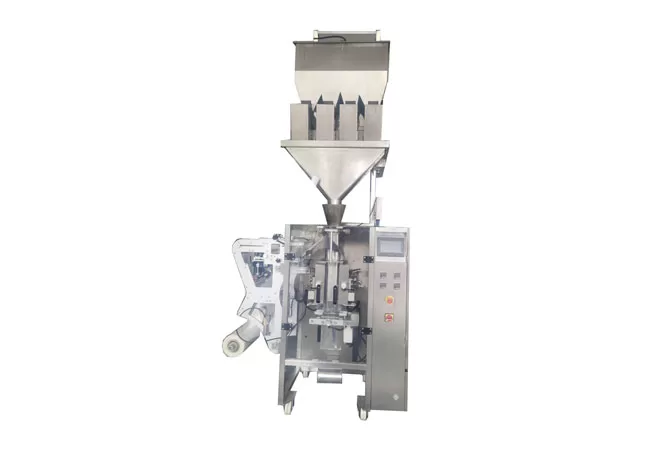
The Essential Guide to Weight Packing Machines for Precision Weighing
12-03-2026 -
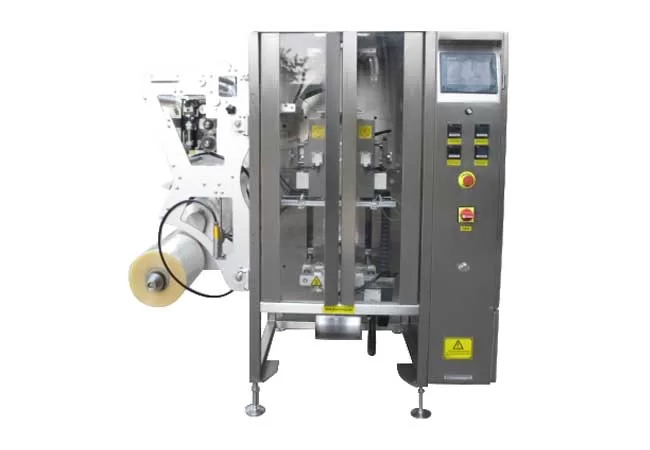
Power Packing Machine: The Ultimate Guide to Heavy-Duty Packaging Efficiency
11-03-2026 -
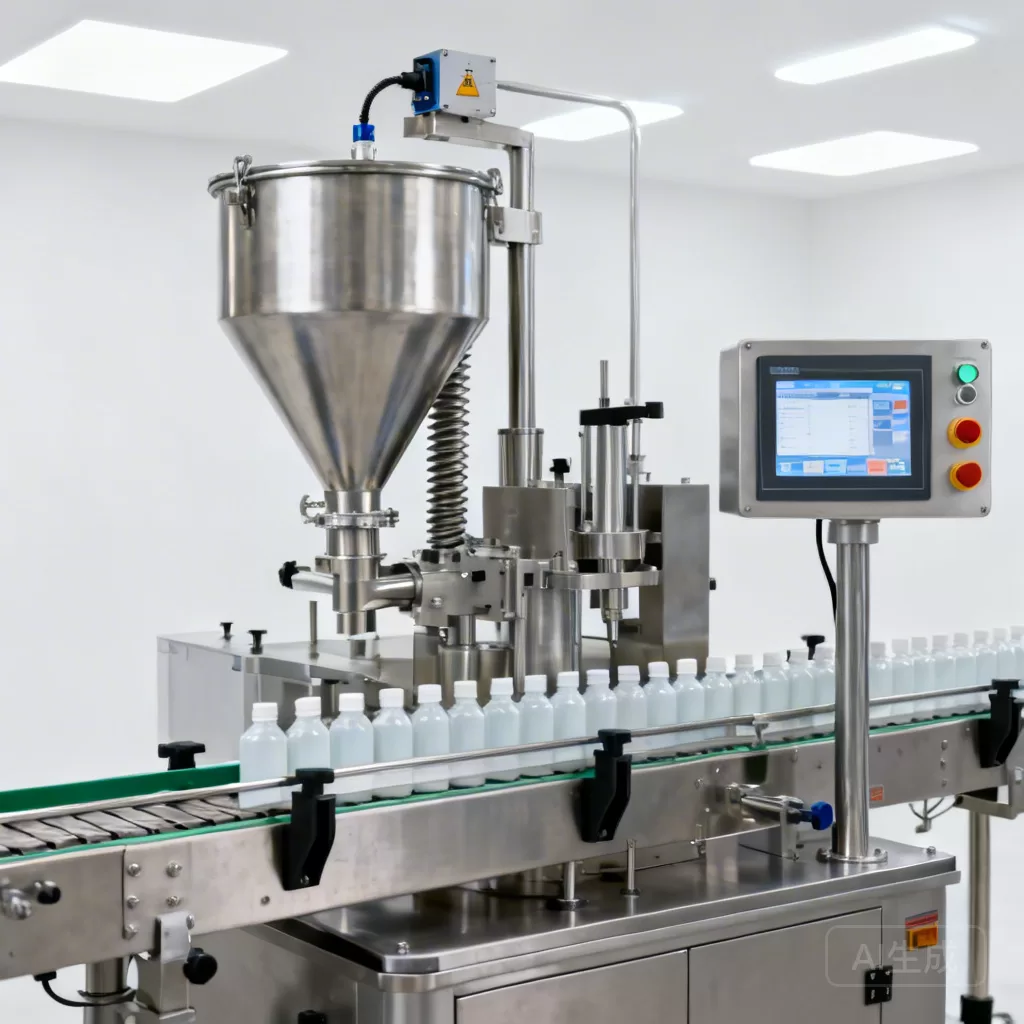
Weigher Packing Machine: The Definitive Guide to Precision Weighing & Packaging
10-03-2026 -
Auger Type Powder Filling Machine: The Ultimate Guide to Precision Packaging
09-03-2026 -
Advanced Packing Solutions: Snacks, Sugar, and Frozen Food Machines
29-10-2025 -
Efficient and Reliable Solutions for Salt, Nuts, and Frozen Dumplings Packing
29-10-2025 -
High-Performance Biscuits, Lollipop, and Ketchup Packing Machines for Modern Food Production
29-10-2025 -
Efficient Liquid Filling and Packing Machines for Modern Production
23-10-2025 -
Reliable Granule Packaging Machines for Efficient Production
23-10-2025
