
Tips for Troubleshooting Common Issues with Automatic Weighing Filling Machines
In the realm of modern manufacturing, precision and efficiency reign supreme. Automatic weighing filling machines, indispensable tools in countless industries, play a pivotal role in ensuring accurate and consistent packaging. However, even the most sophisticated equipment can encounter occasional hiccups. This article delves into the labyrinthine realms of troubleshooting, offering a comprehensive guide to resolving common issues that may arise with automatic weighing filling machines, empowering you to restore seamless operation and maintain optimal productivity.
Diagnose the Malady
The first step in troubleshooting is identifying the root cause of the problem. Carefully observe the machine’s behavior and gather any error codes or messages that may be displayed. Consult the user manual or seek technical support to cross-reference these indicators and narrow down the potential causes.
Verify Electrical Connections
Malfunctioning automatic weighing filling machines often stem from loose or faulty electrical connections. Check all cables and wires for any visible damage, loose terminals, or corrosion. Ensure that the power supply is stable and that all ground connections are secure.
Inspect Sensors and Actuators
Sensors and actuators are the eyes and muscles of the machine, responsible for detecting and controlling various aspects of the filling process. Inspect these components for any physical damage or misalignment. Clean any accumulated debris or residue that may hinder their proper operation.
Calibrate the Scale
Accurate weighing is essential for precise filling. Regular scale calibration ensures that the machine is delivering the correct weight of material. Follow the manufacturer’s instructions carefully to perform calibration using certified test weights.
Check Product Flow
Blockages or restrictions in the product flow path can cause inconsistencies in filling. Inspect the hoppers, feed lines, and discharge nozzles for any obstructions or foreign objects. Ensure that the product is freely flowing and that the packaging containers are properly positioned.
Adjust Filling Parameters
The filling parameters, such as filling speed, compaction settings, and dwell time, can influence the accuracy and consistency of the filling process. Experiment with these settings within acceptable ranges to optimize machine performance.
Regular Maintenance
Preventive maintenance is the cornerstone of reliable machine operation. Adhere to the manufacturer’s recommended maintenance schedule, including cleaning, lubrication, and component replacements. Regular upkeep will minimize the occurrence of problems and extend the lifespan of your automatic weighing filling machine.
By following these troubleshooting tips, you can effectively diagnose and resolve common issues with automatic weighing filling machines, ensuring optimal performance and maintaining seamless production. Remember, thorough investigation and attention to detail are key to unraveling the mysteries of these complex systems.


-
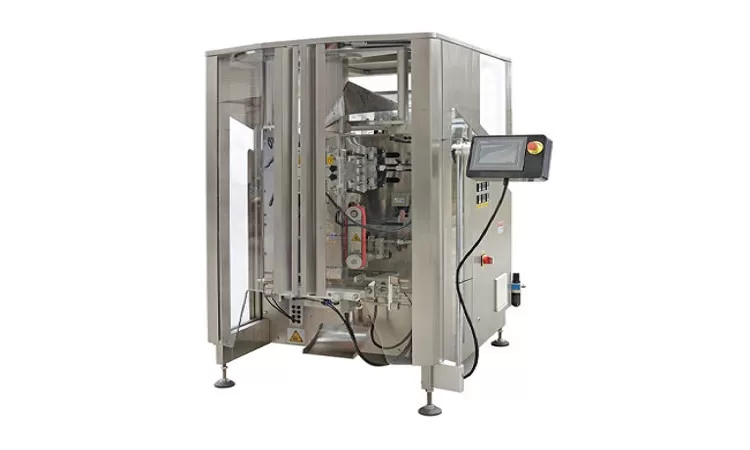
VFFS Equipment: The Ultimate Guide to Vertical Form Fill Seal Technology
13-03-2026 -
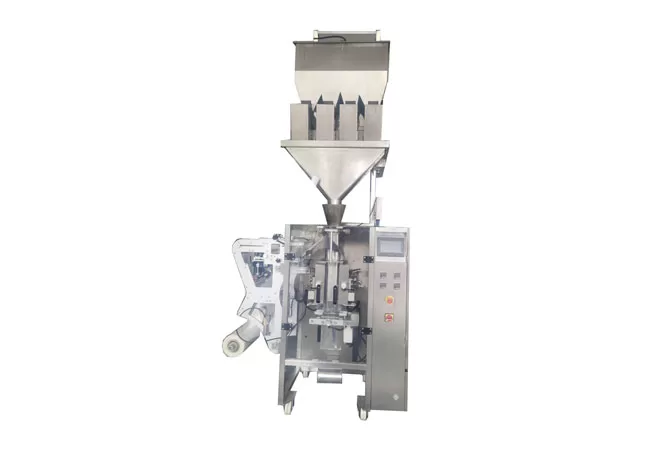
The Essential Guide to Weight Packing Machines for Precision Weighing
12-03-2026 -
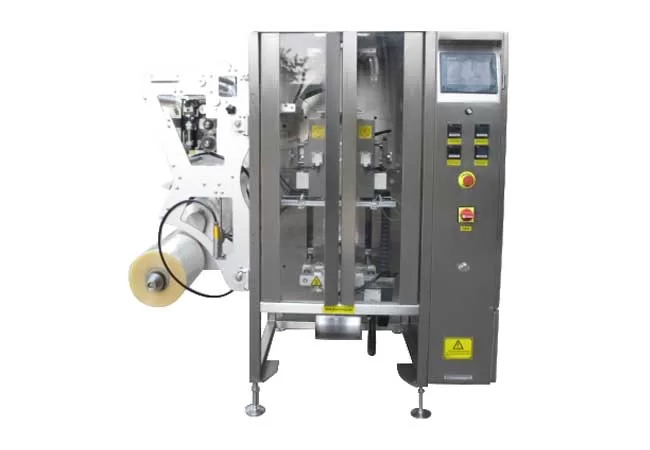
Power Packing Machine: The Ultimate Guide to Heavy-Duty Packaging Efficiency
11-03-2026 -
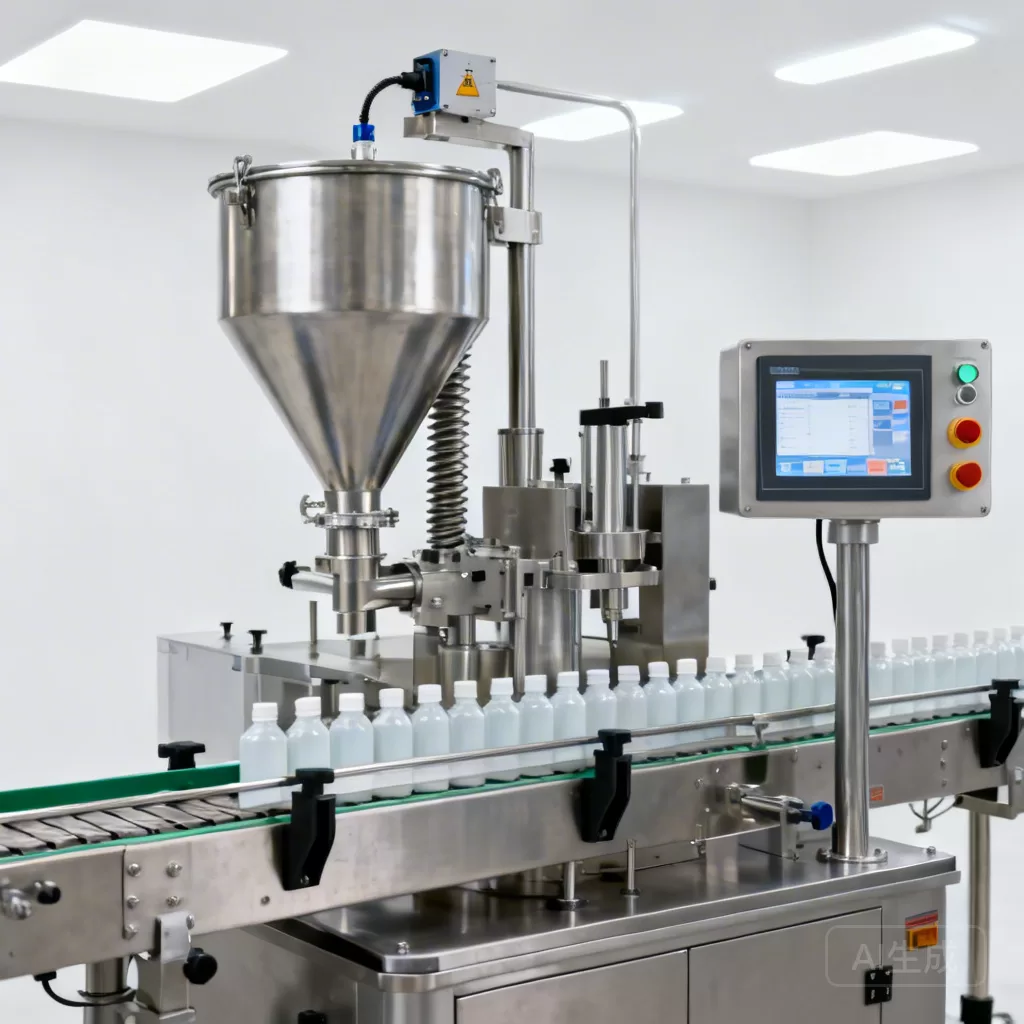
Weigher Packing Machine: The Definitive Guide to Precision Weighing & Packaging
10-03-2026 -
Auger Type Powder Filling Machine: The Ultimate Guide to Precision Packaging
09-03-2026 -
Advanced Packing Solutions: Snacks, Sugar, and Frozen Food Machines
29-10-2025 -
Efficient and Reliable Solutions for Salt, Nuts, and Frozen Dumplings Packing
29-10-2025 -
High-Performance Biscuits, Lollipop, and Ketchup Packing Machines for Modern Food Production
29-10-2025 -
Efficient Liquid Filling and Packing Machines for Modern Production
23-10-2025 -
Reliable Granule Packaging Machines for Efficient Production
23-10-2025
