
Comparing Manual vs. Automatic Paste Packaging Machines
Manual and automatic paste packaging machines offer distinct advantages and disadvantages that cater to different production needs. Understanding their key differences can help businesses make informed decisions when selecting the optimal packaging solution.
Output Efficiency
Manual machines: Require human labor to operate, resulting in lower output rates. The speed is limited by the operator’s manual dexterity and stamina.
Automatic machines: Utilize automated processes to fill and seal containers, achieving significantly higher production volumes due to continuous operation and reduced downtime.
Accuracy and Precision
Manual machines: Can be more susceptible to errors due to human factors such as fatigue or carelessness, leading to inconsistent filling levels and package weight.
Automatic machines: Utilize precise sensors and controls to ensure consistent filling and sealing, minimizing product loss and ensuring regulatory compliance.
Flexibility and Adaptability
Manual machines: Offer limited flexibility, as they are typically designed for a specific product or container size. Changing production parameters requires manual adjustments and setup time.
Automatic machines: Provide greater flexibility through programmable control systems that allow for easy adjustments to different product characteristics, package sizes, and production requirements.
Labor Requirements
Manual machines: Require dedicated manual labor, increasing labor costs and potentially creating safety risks.
Automatic machines: Eliminate the need for direct human intervention during the packaging process, reducing labor requirements and minimizing human errors.
Cost and Maintenance
Manual machines: Generally lower in initial capital investment but may require higher labor and maintenance costs over the long term.
Automatic machines: More expensive upfront but offer potential savings through increased efficiency, reduced labor costs, and lower product waste. The complexity of the machine also affects maintenance costs.
Product Quality
Manual machines: Product quality can vary depending on the operator’s skill and consistency.
Automatic machines: Ensure consistent product quality by eliminating manual variations and adhering to pre-defined packaging parameters.
Conclusion
Choosing between manual and automatic paste packaging machines depends on the specific production requirements. Manual machines may be suitable for small-scale operations where output efficiency is not critical. Automatic machines, on the other hand, offer higher output, accuracy, flexibility, and labor savings, making them ideal for large-scale production environments and operations requiring consistent product quality.


-
VFFS Equipment: The Ultimate Guide to Vertical Form Fill Seal Technology
13-03-2026 -
The Essential Guide to Weight Packing Machines for Precision Weighing
12-03-2026 -
Power Packing Machine: The Ultimate Guide to Heavy-Duty Packaging Efficiency
11-03-2026 -
Weigher Packing Machine: The Definitive Guide to Precision Weighing & Packaging
10-03-2026 -
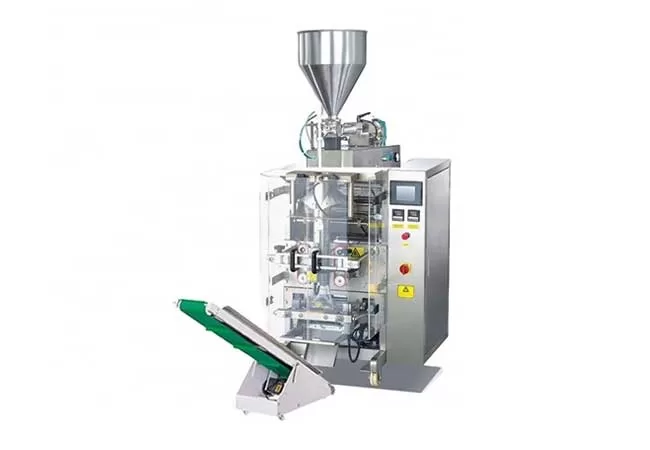
Auger Type Powder Filling Machine: The Ultimate Guide to Precision Packaging
09-03-2026 -
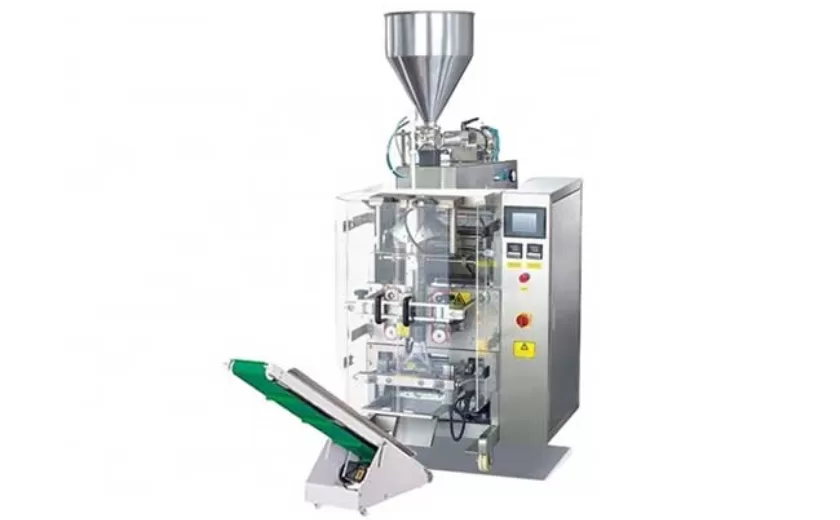
Advanced Packing Solutions: Snacks, Sugar, and Frozen Food Machines
29-10-2025 -
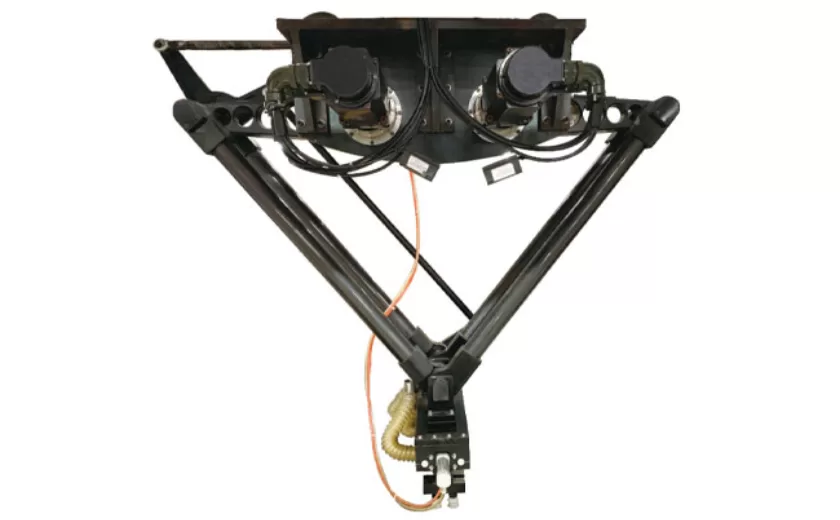
Efficient and Reliable Solutions for Salt, Nuts, and Frozen Dumplings Packing
29-10-2025 -
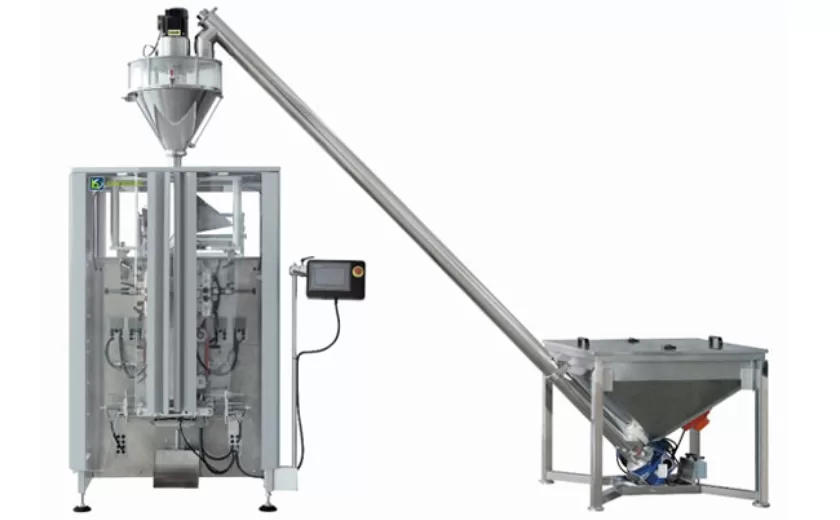
High-Performance Biscuits, Lollipop, and Ketchup Packing Machines for Modern Food Production
29-10-2025 -
Efficient Liquid Filling and Packing Machines for Modern Production
23-10-2025 -
Reliable Granule Packaging Machines for Efficient Production
23-10-2025
