
Powder Weigh Filling Machines- A Comprehensive Cost-Benefit Analysis
Powder weigh filling machines are automated systems that precisely dispense and fill dry powder products into various containers. These machines offer a range of benefits, including improved accuracy and efficiency, reduced labor costs, and enhanced product consistency. However, it is crucial to conduct a comprehensive cost-benefit analysis before investing in a powder weigh filling machine to ensure that it aligns with the specific requirements and financial objectives of the business.
Benefits of Powder Weigh Filling Machines
Improved Accuracy and Efficiency
Powder weigh filling machines utilize precision scales to measure and dispense the exact amount of powder required, resulting in highly accurate fill weights. They can achieve consistent fill rates, eliminating the variability associated with manual filling, leading to reduced waste and increased product quality.
Reduced Labor Costs
Powder weigh filling machines automate the filling process, eliminating the need for manual labor. This can significantly reduce labor costs, especially for operations with high production volumes. The machines can operate continuously, allowing for unattended filling operations, freeing up human resources for other value-added tasks.
Enhanced Product Consistency
By utilizing automated systems and precision controls, powder weigh filling machines ensure consistent filling weights and product quality. This eliminates the variations that can occur with manual filling, resulting in a uniform product that meets customer specifications and regulatory requirements.
Cost-Benefit Analysis
Capital Investment
The initial capital investment for a powder weigh filling machine can be substantial, including the cost of purchasing and installing the equipment. It is important to consider the long-term return on investment and the potential cost savings it can generate.
Operating Costs
Operating costs include maintenance, repairs, and utilities. Proper maintenance is essential to ensure the accuracy and efficiency of the machine. Regular cleaning and calibration are necessary to maintain performance and minimize downtime.
Labor Savings
The labor savings generated by reducing manual filling operations can offset the initial investment. The cost of labor, including wages, benefits, and training, should be considered when calculating the potential cost savings.
Conclusion
Powder weigh filling machines offer significant benefits for businesses looking to improve accuracy, efficiency, and product consistency. However, a thorough cost-benefit analysis is necessary to determine if the investment aligns with the company’s specific requirements and financial goals. By carefully considering the capital investment, operating costs, and potential labor savings, businesses can make informed decisions about whether a powder weigh filling machine is the right solution for their operations.


-
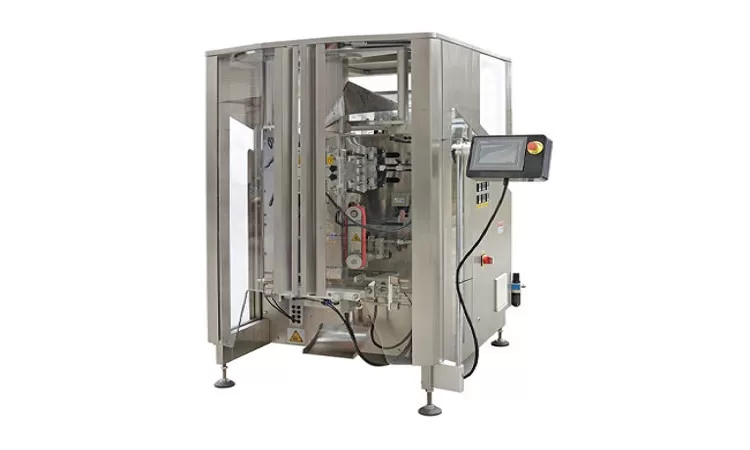
VFFS Equipment: The Ultimate Guide to Vertical Form Fill Seal Technology
13-03-2026 -
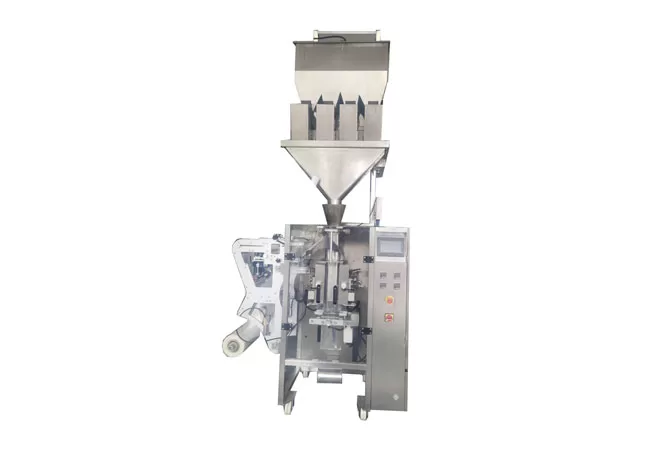
The Essential Guide to Weight Packing Machines for Precision Weighing
12-03-2026 -
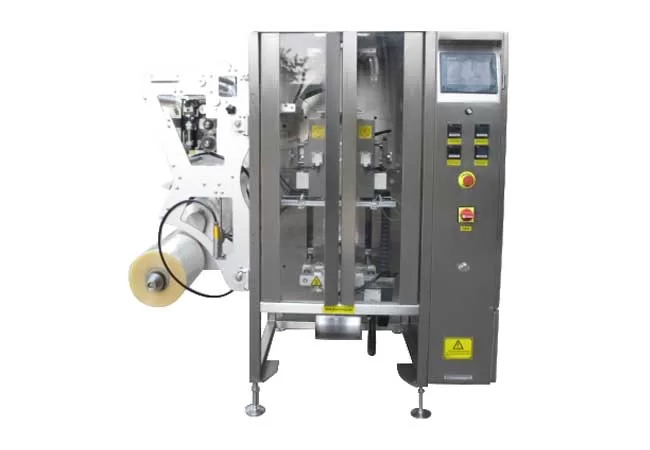
Power Packing Machine: The Ultimate Guide to Heavy-Duty Packaging Efficiency
11-03-2026 -
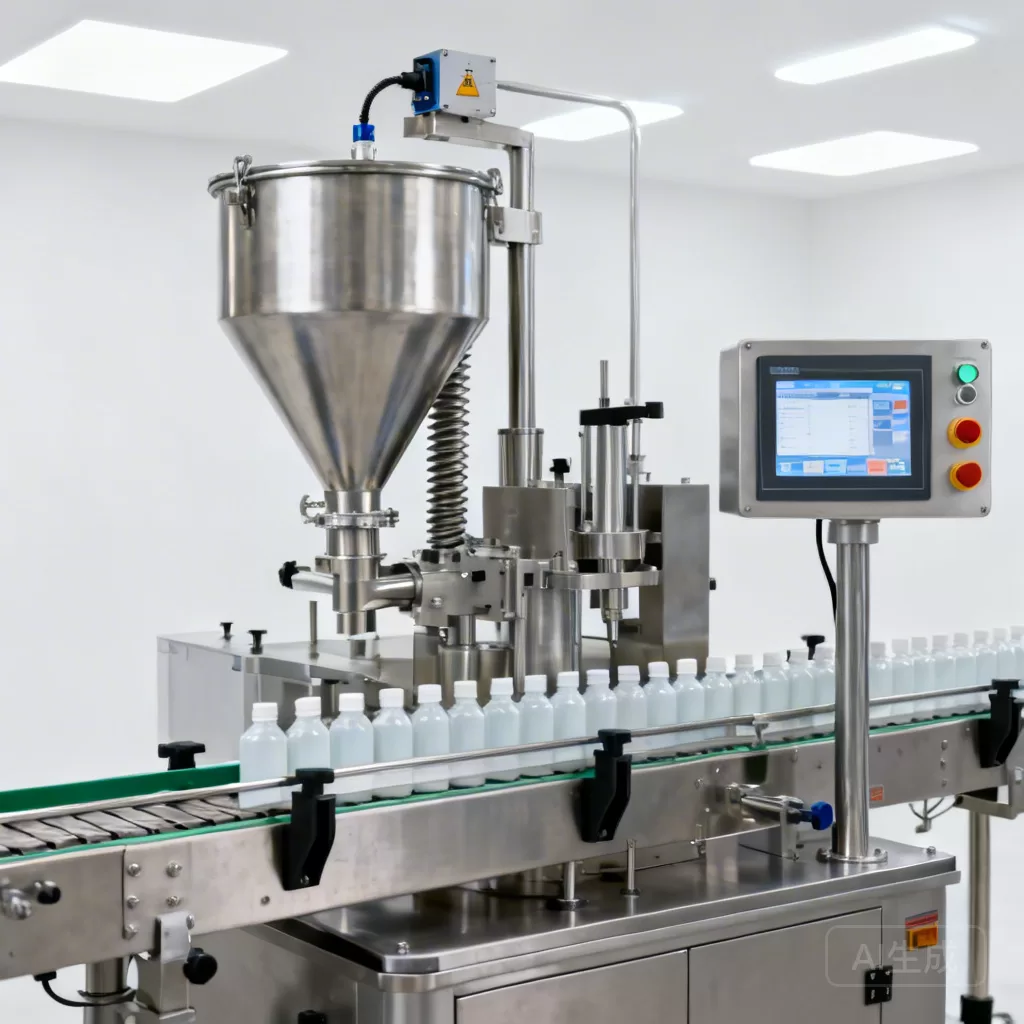
Weigher Packing Machine: The Definitive Guide to Precision Weighing & Packaging
10-03-2026 -
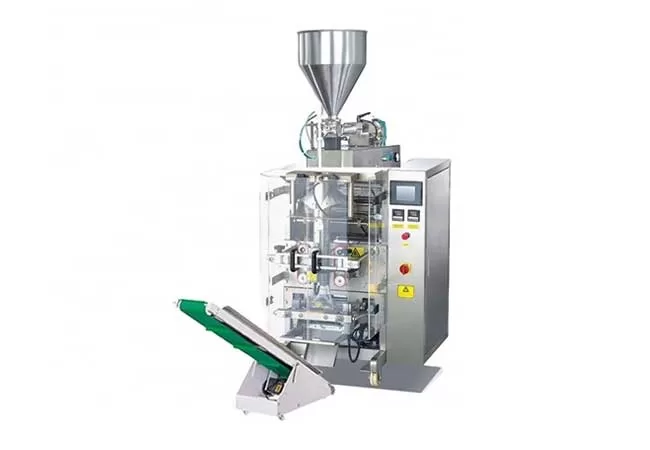
Auger Type Powder Filling Machine: The Ultimate Guide to Precision Packaging
09-03-2026 -
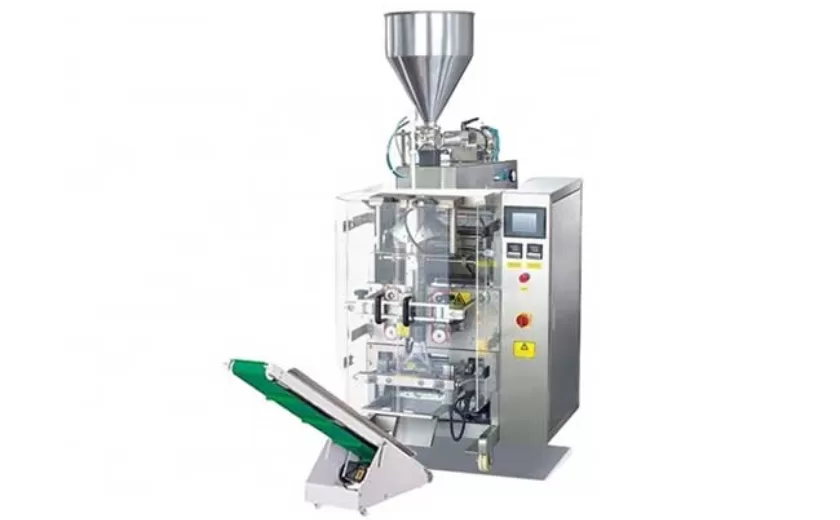
Advanced Packing Solutions: Snacks, Sugar, and Frozen Food Machines
29-10-2025 -
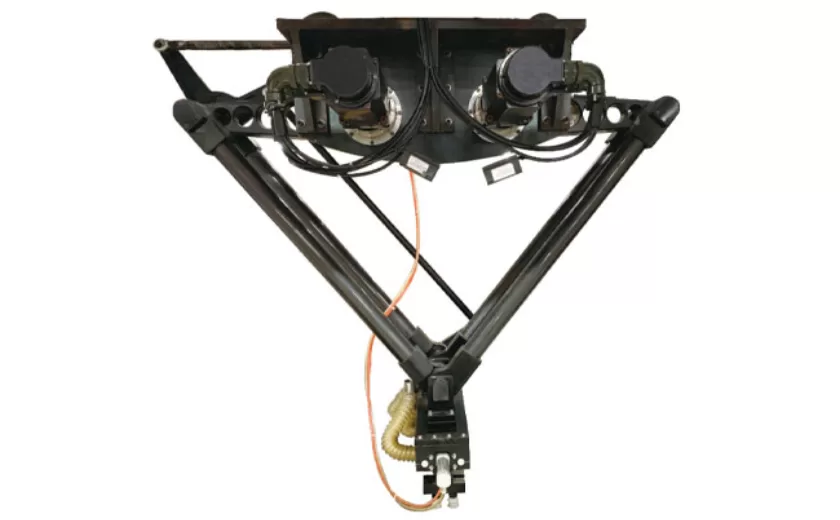
Efficient and Reliable Solutions for Salt, Nuts, and Frozen Dumplings Packing
29-10-2025 -
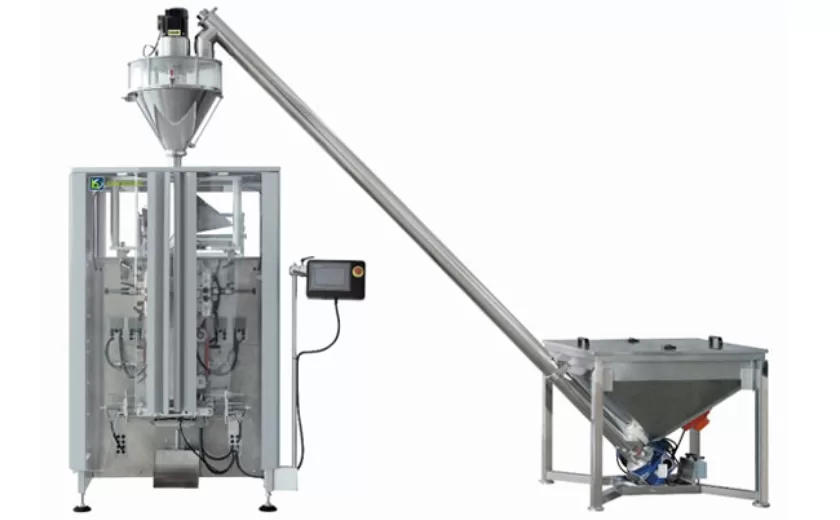
High-Performance Biscuits, Lollipop, and Ketchup Packing Machines for Modern Food Production
29-10-2025 -
Efficient Liquid Filling and Packing Machines for Modern Production
23-10-2025 -
Reliable Granule Packaging Machines for Efficient Production
23-10-2025
