
The Environmental Impact of Modern Weighing and Sealing Machines
In today’s fast-paced manufacturing landscape, weighing and sealing machines play a crucial role in ensuring product quality and efficiency. However, the environmental impact of these machines is often overlooked. This article explores the various ways in which modern weighing and sealing machines affect the environment and suggests sustainable practices to mitigate their impact.
Material Consumption and Waste
Modern weighing and sealing machines often incorporate a range of materials, including plastics, metals, and electrical components. The production and disposal of these materials can contribute to resource depletion and waste generation. Responsible manufacturers prioritize the use of recyclable and biodegradable materials and implement waste reduction initiatives to minimize their environmental footprint.
Energy Efficiency
The energy consumption of weighing and sealing machines can have a significant impact on a facility’s overall carbon emissions. Machines that incorporate energy-efficient technologies, such as variable speed drives and LED lighting, reduce energy usage and lower greenhouse gas emissions. Additionally, the implementation of energy management systems can help optimize machine operation and further enhance energy efficiency.
Water Consumption
Certain types of weighing and sealing machines, such as those used in the food industry, require water for cleaning and disinfection purposes. Excessive water consumption can put a strain on local water resources and lead to environmental degradation. By implementing water-saving technologies and optimizing cleaning processes, manufacturers can significantly reduce water usage.
Emissions and Air Pollution
The operation of weighing and sealing machines can generate emissions and air pollution. Machines that incorporate combustion engines or produce significant heat can release harmful pollutants into the atmosphere. To mitigate this impact, manufacturers should opt for machines that comply with environmental regulations and utilize low-emission technologies.
Noise Pollution
Weighing and sealing machines can generate noise levels that can be hazardous to workers and disturbing to the surrounding environment. Machines that are properly engineered and equipped with noise-dampening materials minimize noise pollution and improve workplace safety.
Sustainable Practices for Weighing and Sealing Machines
To reduce the environmental impact of weighing and sealing machines, manufacturers and users can implement sustainable practices. These include:
– Choosing machines made from recycled or biodegradable materials.
– Optimizing machine operation to minimize energy consumption.
– Reducing water usage through water-saving technologies.
– Investing in machines that comply with environmental regulations.
– Establishing recycling programs for machine components.
By embracing sustainability initiatives, manufacturers and users can significantly reduce the environmental impact of weighing and sealing machines while maintaining product quality and efficiency.


-
VFFS Equipment: The Ultimate Guide to Vertical Form Fill Seal Technology
13-03-2026 -
The Essential Guide to Weight Packing Machines for Precision Weighing
12-03-2026 -
Power Packing Machine: The Ultimate Guide to Heavy-Duty Packaging Efficiency
11-03-2026 -
Weigher Packing Machine: The Definitive Guide to Precision Weighing & Packaging
10-03-2026 -
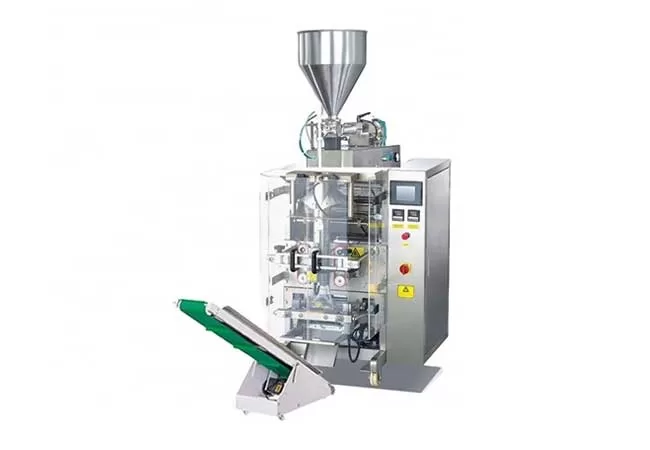
Auger Type Powder Filling Machine: The Ultimate Guide to Precision Packaging
09-03-2026 -
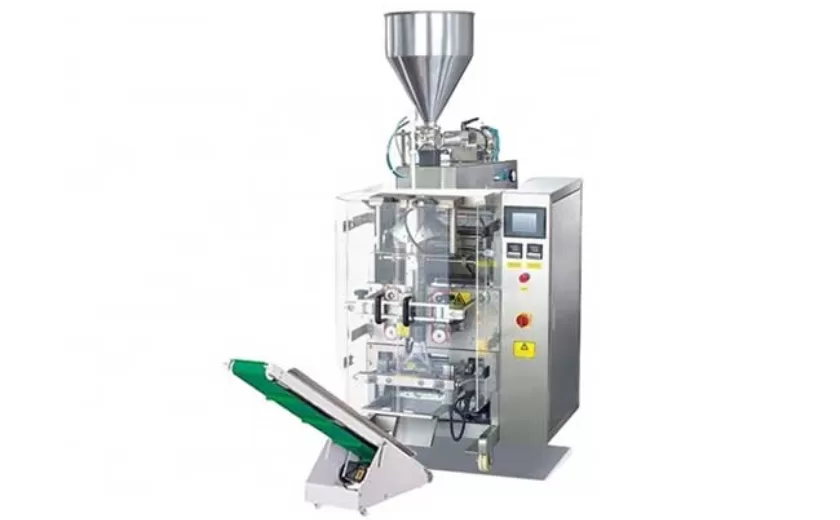
Advanced Packing Solutions: Snacks, Sugar, and Frozen Food Machines
29-10-2025 -
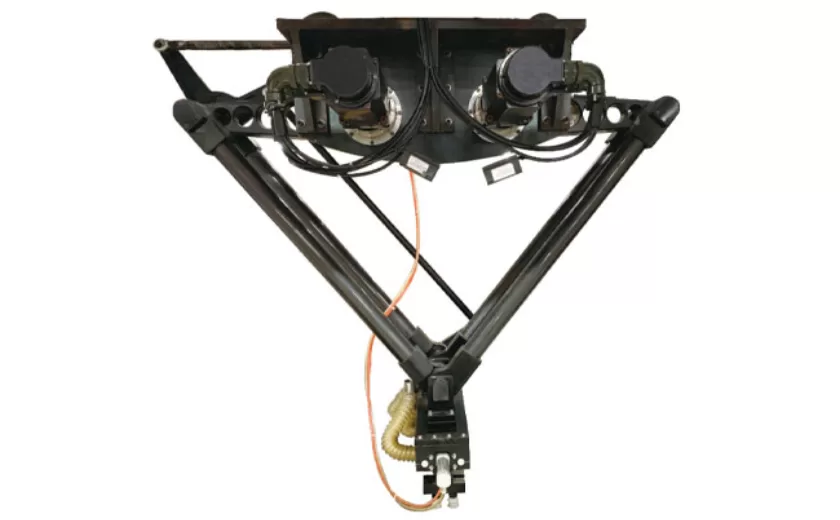
Efficient and Reliable Solutions for Salt, Nuts, and Frozen Dumplings Packing
29-10-2025 -
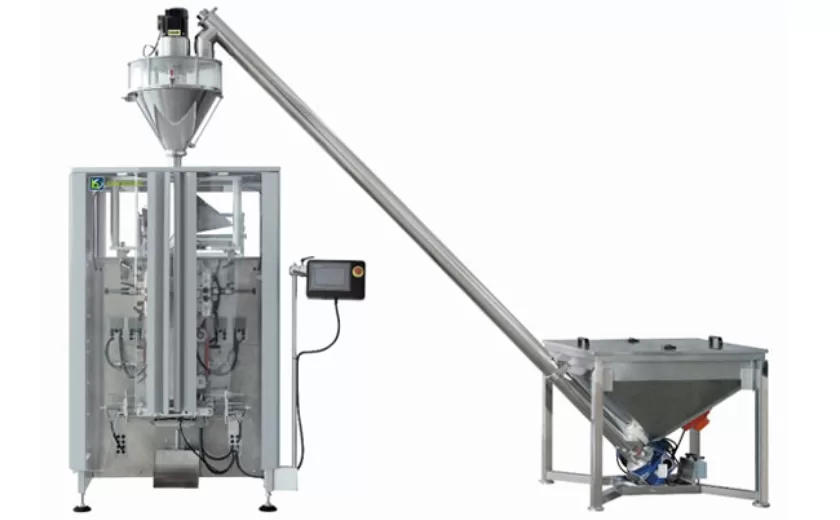
High-Performance Biscuits, Lollipop, and Ketchup Packing Machines for Modern Food Production
29-10-2025 -
Efficient Liquid Filling and Packing Machines for Modern Production
23-10-2025 -
Reliable Granule Packaging Machines for Efficient Production
23-10-2025
