
The Future of Horizontal Form Fill Seal Technology
Technological advancements are continuously shaping the manufacturing industry, and horizontal form fill seal (HFFS) technology is no exception. This article explores the future of HFFS, highlighting innovative developments that promise to revolutionize the packaging landscape.
Increased Automation and Efficiency
HFFS machines are already highly automated, but ongoing advancements aim to further enhance efficiency. Advanced sensors, predictive analytics, and machine-learning algorithms will optimize machine settings, reduce downtime, and improve overall productivity. Integration with automated product handling and labeling systems will create seamless end-to-end packaging solutions.
Enhanced Versatility
Future HFFS systems will be more versatile, capable of handling a wider range of products and packaging materials. Quick-changeover features and modular designs will allow manufacturers to switch between different products and bag formats with minimal effort. This flexibility will enable companies to cater to changing consumer demands and market trends.
Improved Sustainability
Sustainability is becoming increasingly important in manufacturing, and HFFS technology is embracing eco-friendly practices. New packaging materials, such as biodegradable and recyclable films, will reduce environmental impact. Additionally, advancements in seal technology will reduce energy consumption and waste by optimizing seal profiles and reducing downtime.
Enhanced Data Analytics and Connectivity
Data analytics and connectivity will play a crucial role in the future of HFFS. IoT-enabled machines will collect and transmit operational data, enabling manufacturers to monitor performance, identify areas for improvement, and predict maintenance needs. This data-driven approach will enhance productivity, reduce costs, and improve quality control.
Improved User-Friendliness and Ergonomics
HFFS machines are becoming more user-friendly and ergonomic. Intuitive interfaces, touchscreens, and remote monitoring capabilities will simplify operation and reduce the need for specialized training. Ergonomic designs will prioritize operator comfort and safety, minimizing the risk of injuries and fatigue.
Integration with Smart Factories
HFFS technology is increasingly being integrated into smart factories. These advanced manufacturing environments connect machines, systems, and data to optimize production processes. HFFS machines will seamlessly interact with other automated systems, such as inventory management, quality control, and warehouse logistics, creating a fully connected and efficient supply chain.
Conclusion
The future of horizontal form fill seal technology is bright, with advancements promising increased automation, enhanced versatility, improved sustainability, and greater connectivity. These innovations will revolutionize the packaging industry, enabling manufacturers to meet evolving market needs, address sustainability concerns, and improve overall efficiency and productivity. As technology continues to evolve, HFFS will remain a vital component of the manufacturing landscape, playing a pivotal role in shaping the future of packaging.


-
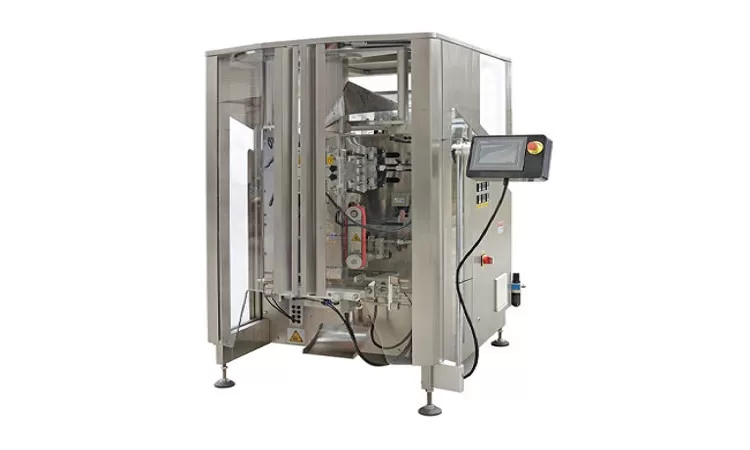
VFFS Equipment: The Ultimate Guide to Vertical Form Fill Seal Technology
13-03-2026 -
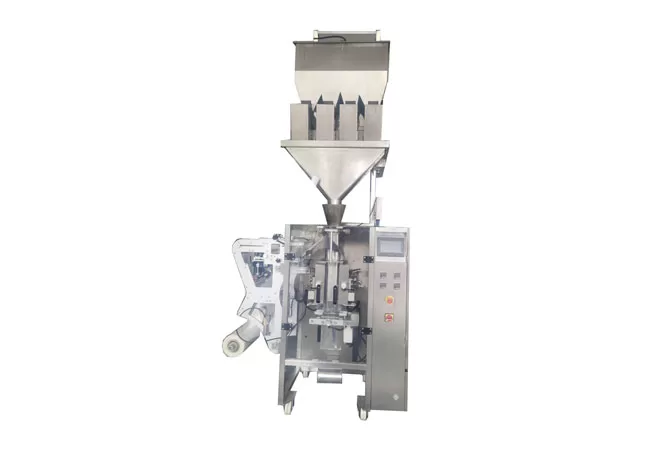
The Essential Guide to Weight Packing Machines for Precision Weighing
12-03-2026 -
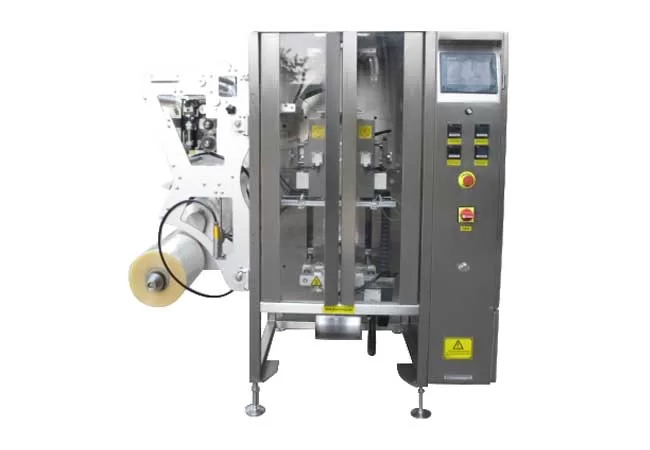
Power Packing Machine: The Ultimate Guide to Heavy-Duty Packaging Efficiency
11-03-2026 -
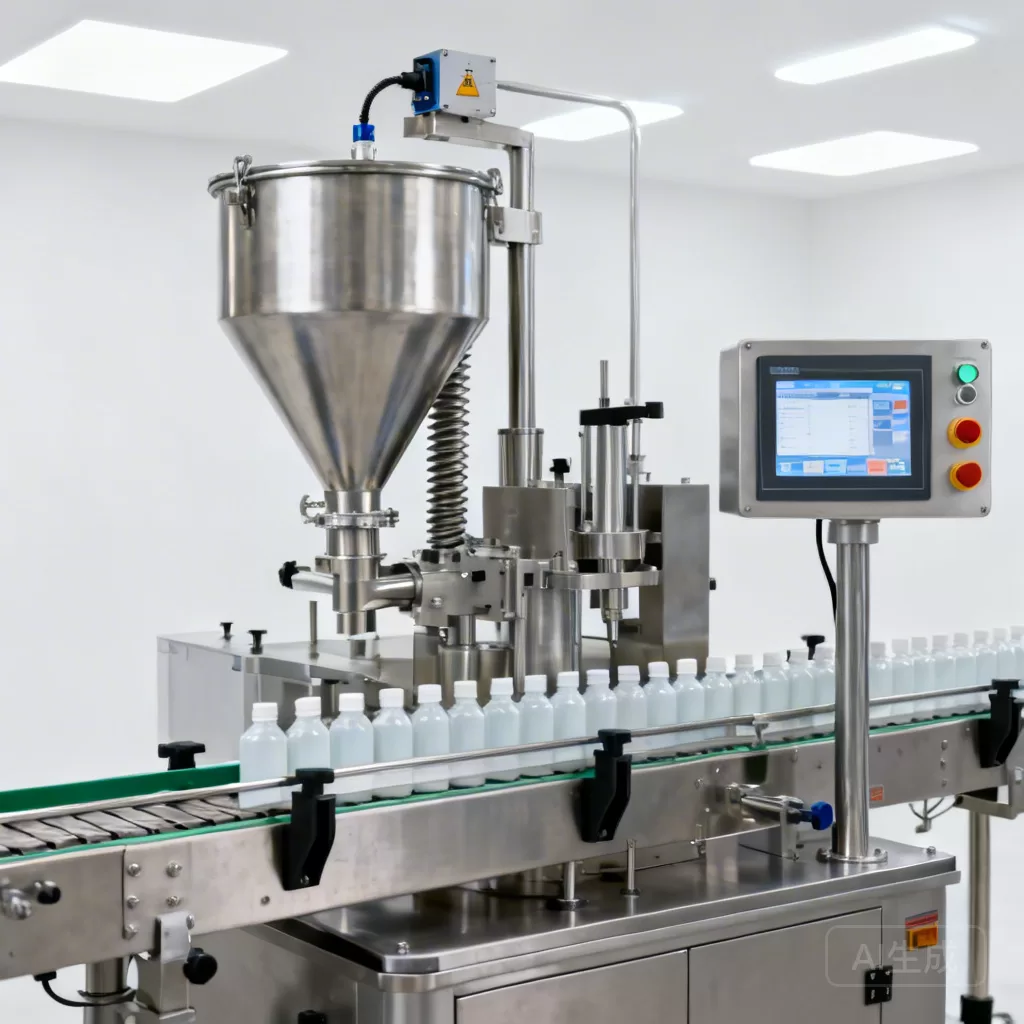
Weigher Packing Machine: The Definitive Guide to Precision Weighing & Packaging
10-03-2026 -
Auger Type Powder Filling Machine: The Ultimate Guide to Precision Packaging
09-03-2026 -
Advanced Packing Solutions: Snacks, Sugar, and Frozen Food Machines
29-10-2025 -
Efficient and Reliable Solutions for Salt, Nuts, and Frozen Dumplings Packing
29-10-2025 -
High-Performance Biscuits, Lollipop, and Ketchup Packing Machines for Modern Food Production
29-10-2025 -
Efficient Liquid Filling and Packing Machines for Modern Production
23-10-2025 -
Reliable Granule Packaging Machines for Efficient Production
23-10-2025
