
How to Troubleshoot and Prevent Common Packaging Problems
Packaging plays a crucial role in protecting and preserving products during transit and storage. However, packaging problems can arise due to various factors, leading to product damage, customer dissatisfaction, and increased costs. This article delves into common packaging problems and provides practical troubleshooting and prevention strategies to help businesses minimize these issues and ensure product integrity.
Identifying Common Packaging Problems
The first step in addressing packaging problems is to identify and understand their causes. Some common problems include:
– Tearing and punctures: Rough handling, sharp objects, or inadequate packaging materials can cause tearing and punctures.
– Crushing and deformation: Excessive pressure or insufficient cushioning can lead to crushing or deformation of the product or packaging.
– Moisture damage: Products sensitive to moisture require adequate protection from humidity, condensation, or direct water exposure.
– Contamination: Foreign objects or chemicals can contaminate the product if packaging is not sealed or handled properly.
Troubleshooting Packaging Problems
Once packaging problems are identified, it is essential to troubleshoot the underlying causes:
– Assess packaging design: Evaluate the shape, size, and materials of the packaging to ensure it is appropriate for the product and distribution conditions.
– Inspect handling practices: Observe how products are handled during loading, unloading, and storage to identify areas where rough treatment or excessive stress could occur.
– Test packaging materials: Conduct rigorous testing to determine the strength, durability, and protective capabilities of packaging materials.
Preventing Packaging Problems
To prevent packaging problems effectively, several strategies should be employed:
– Optimize packaging design: Use custom-fit packaging designed specifically for the product’s shape and weight to minimize damage.
– Select durable materials: Choose packaging materials such as corrugated cardboard, plastic wraps, or foam liners that can withstand the rigors of shipping and handling.
– Proper cushioning: Use adequate cushioning materials like bubble wrap, air pillows, or foam inserts to protect products from impact and vibration.
– Secure packaging: Seal packaging securely with tape, zippers, or other fasteners to prevent contamination or product spillage.
– Train employees: Educate employees on proper packaging techniques, handling practices, and the importance of adhering to packaging guidelines.
Conclusion
Common packaging problems can be effectively addressed by understanding their causes, implementing troubleshooting measures, and adopting preventive strategies. By optimizing packaging design, selecting durable materials, using proper cushioning, securing packaging, and training employees, businesses can minimize product damage, improve customer satisfaction, and reduce packaging-related costs. Troubleshooting and preventing packaging problems is an ongoing process that requires regular monitoring, evaluation, and continuous improvement to ensure the integrity and safety of products.


-
VFFS Equipment: The Ultimate Guide to Vertical Form Fill Seal Technology
13-03-2026 -
The Essential Guide to Weight Packing Machines for Precision Weighing
12-03-2026 -
Power Packing Machine: The Ultimate Guide to Heavy-Duty Packaging Efficiency
11-03-2026 -
Weigher Packing Machine: The Definitive Guide to Precision Weighing & Packaging
10-03-2026 -
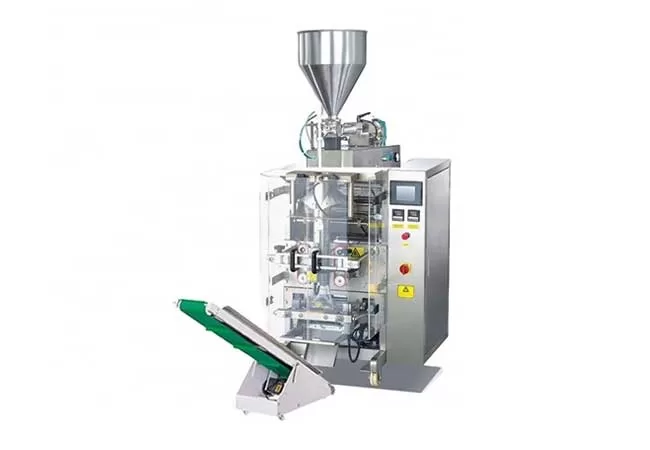
Auger Type Powder Filling Machine: The Ultimate Guide to Precision Packaging
09-03-2026 -
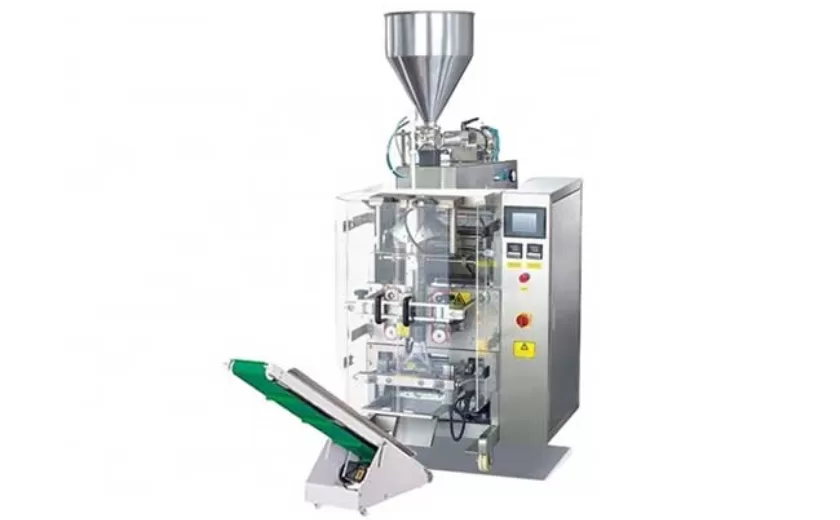
Advanced Packing Solutions: Snacks, Sugar, and Frozen Food Machines
29-10-2025 -
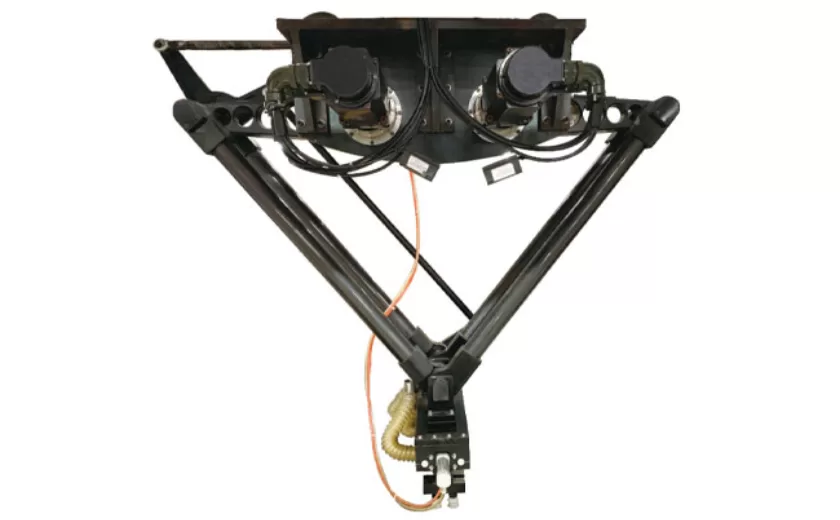
Efficient and Reliable Solutions for Salt, Nuts, and Frozen Dumplings Packing
29-10-2025 -
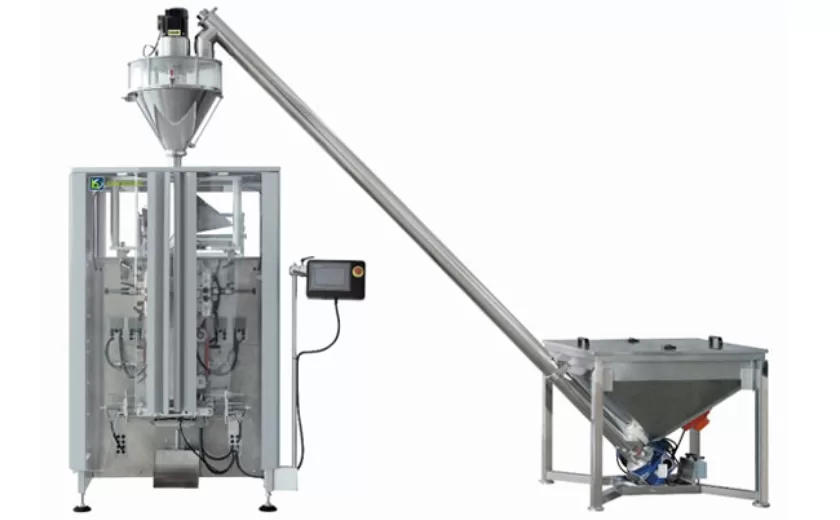
High-Performance Biscuits, Lollipop, and Ketchup Packing Machines for Modern Food Production
29-10-2025 -
Efficient Liquid Filling and Packing Machines for Modern Production
23-10-2025 -
Reliable Granule Packaging Machines for Efficient Production
23-10-2025
