
Case Studies- Successful Implementations of Automatic Weight Filling Machines
Automatic weight filling machines have revolutionized the packaging industry by offering precision, efficiency, and labor savings. This article showcases several successful implementation case studies that highlight the transformative benefits of these machines.
Increased Productivity and Efficiency
Automatic weight filling machines significantly enhance production rates by automating the weighing and filling processes. They eliminate manual weighing errors and speed up the filling process, enabling manufacturers to handle a higher volume of products with fewer resources.
For instance, one food processing facility witnessed a 40% increase in productivity after implementing automatic weight filling machines. The machines’ high accuracy and efficient operation enabled the facility to reduce downtime and maintain a steady flow of products.
Improved Accuracy and Consistency
Manual weighing is prone to human error, leading to variations in product weight. Automatic weight filling machines eliminate this issue by using advanced sensors and controllers to precisely weigh and dispense products.
One pharmaceutical company experienced a significant improvement in accuracy after switching to automatic weight filling machines. The machines reduced product weight variance by 90%, ensuring that all products met the required specifications.
Reduced Labor Costs and Errors
Automatic weight filling machines require minimal operator intervention, reducing labor costs and the risk of human error. They automate the entire filling process, freeing up workers for other tasks.
A beverage manufacturer saved approximately 20% on labor costs by implementing automatic weight filling machines. The machines eliminated the need for dedicated weighing and filling personnel, allowing the company to redirect resources to other areas.
Improved Hygiene and Sanitation
Automatic weight filling machines are designed with sanitary features to prevent contamination and maintain product quality. They often feature stainless steel construction, sealed compartments, and automatic cleaning systems.
One dairy manufacturer reported a significant reduction in product spoilage after installing automatic weight filling machines. The machines’ closed system and hygienic design minimized the risk of contamination, extending product shelf life.
Flexibility and Adaptability
Modern automatic weight filling machines are versatile and can accommodate various product types, shapes, and sizes. They offer quick changeovers and can be easily integrated into existing production lines.
For example, a chemical manufacturing company uses the same automatic weight filling machine to fill both liquid and powder products. The machine’s adaptability eliminates the need for separate filling systems, saving the company time and money.
Conclusion
The case studies presented in this article demonstrate the transformative impact of automatic weight filling machines on various industries. By increasing productivity, improving accuracy, reducing labor costs, enhancing hygiene, and offering flexibility, these machines have transformed the packaging process, enabling manufacturers to meet the demands of a competitive and ever-changing market


-
VFFS Equipment: The Ultimate Guide to Vertical Form Fill Seal Technology
13-03-2026 -
The Essential Guide to Weight Packing Machines for Precision Weighing
12-03-2026 -
Power Packing Machine: The Ultimate Guide to Heavy-Duty Packaging Efficiency
11-03-2026 -
Weigher Packing Machine: The Definitive Guide to Precision Weighing & Packaging
10-03-2026 -
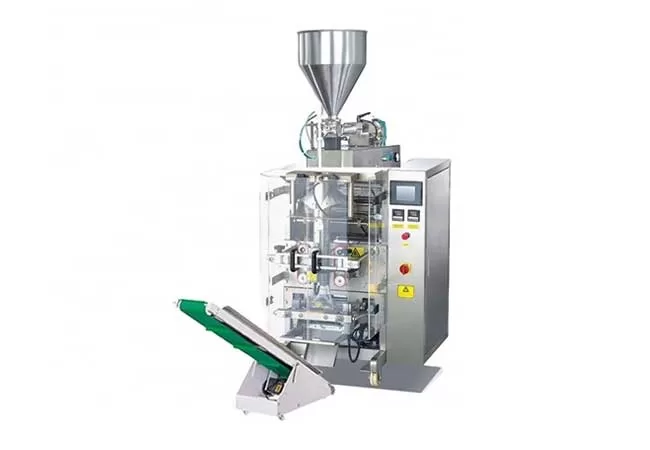
Auger Type Powder Filling Machine: The Ultimate Guide to Precision Packaging
09-03-2026 -
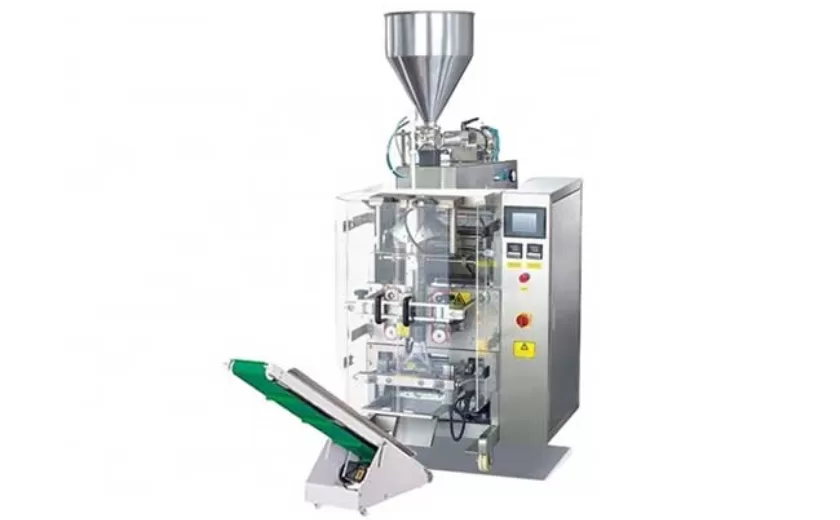
Advanced Packing Solutions: Snacks, Sugar, and Frozen Food Machines
29-10-2025 -
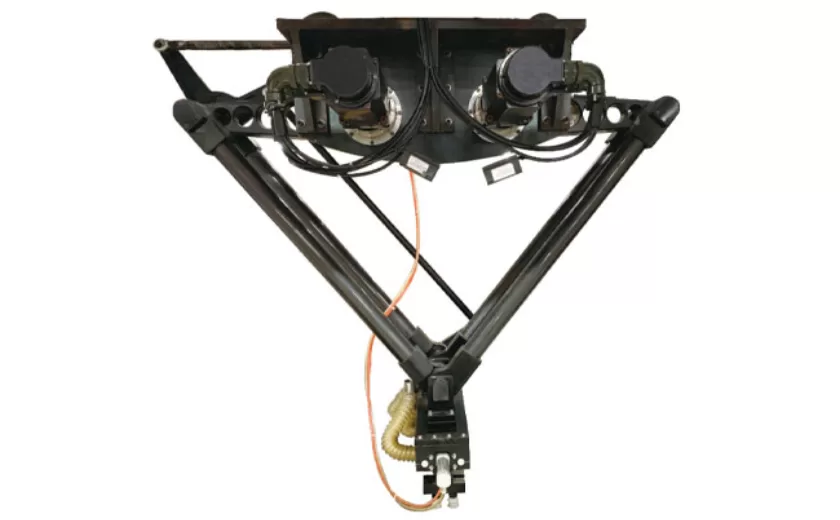
Efficient and Reliable Solutions for Salt, Nuts, and Frozen Dumplings Packing
29-10-2025 -
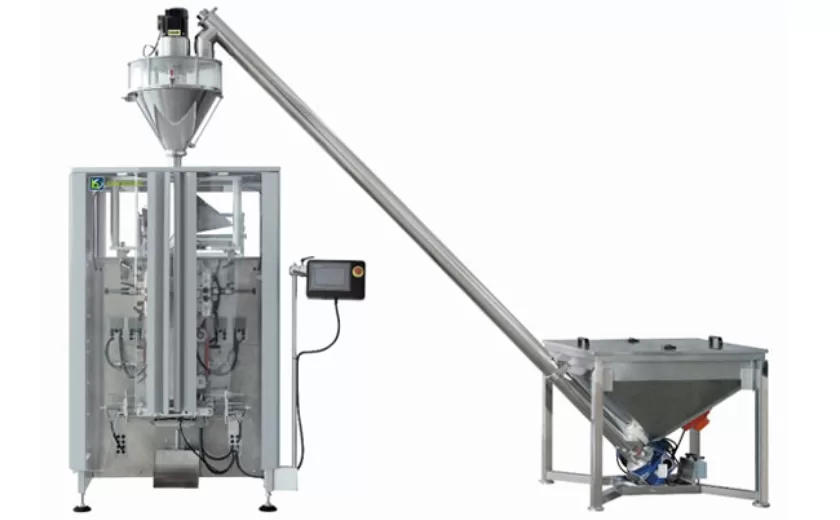
High-Performance Biscuits, Lollipop, and Ketchup Packing Machines for Modern Food Production
29-10-2025 -
Efficient Liquid Filling and Packing Machines for Modern Production
23-10-2025 -
Reliable Granule Packaging Machines for Efficient Production
23-10-2025
