
Best Practices for Maintaining Your Automatic Weight Filling Machinery
Maintaining your automatic weight filling machinery is essential for ensuring its accuracy, efficiency, and longevity. By following these best practices, you can minimize downtime, reduce maintenance costs, and extend the life of your equipment.
Establish a Regular Maintenance Schedule
Developing a regular maintenance schedule is the cornerstone of proper machinery maintenance. This schedule should include daily, weekly, monthly, and annual tasks. Daily tasks may involve cleaning the equipment and checking for leaks, while monthly tasks might include inspecting the filling heads and adjusting the calibration.
Maintain a Clean Environment
A clean environment is crucial for the proper functioning of your weight filling machinery. Dust, dirt, and other contaminants can interfere with the equipment’s operation and lead to premature wear and tear. Regularly clean the equipment using recommended cleaning agents and follow proper sanitation protocols.
Inspect and Replace Parts Regularly
Regularly inspecting and replacing worn or damaged parts is essential for maintaining optimal performance. Inspect all parts of the machinery, including the filling heads, conveyors, and sensors. Replace any parts that show signs of wear or damage promptly to prevent costly breakdowns.
Calibrate Your Equipment Regularly
Over time, the calibration of your weight filling machinery can drift, affecting the accuracy of its fillings. Regularly calibrate your equipment using certified weights to ensure it meets your required specifications.
Lubricate Regularly
Proper lubrication is vital for reducing friction and wear and tear. Use the recommended lubricants and follow the lubrication schedule provided by the manufacturer. Lubricate all moving parts, including bearings, gears, and chains.
Train Operators Properly
Properly trained operators are essential for the safe and efficient operation of your weight filling machinery. Provide comprehensive training on the equipment’s operation, maintenance, and safety procedures. Regularly assess operators’ skills and provide refresher training as needed.
Use High-Quality Consumables
The quality of the consumables you use can impact the performance of your weight filling machinery. Use high-quality materials, such as filters, seals, and gaskets, to ensure optimal functionality.
Monitor Performance and Make Adjustments
Regularly monitor the performance of your weight filling machinery and make adjustments as needed. Keep track of production data, including fill weight accuracy, speed, and downtime. Use this data to identify trends and make adjustments to improve performance.
Conclusion
By following these best practices, you can ensure your automatic weight filling machinery operates at peak performance, reducing downtime and maintenance costs. With proper maintenance, your equipment will provide years of reliable service, maximizing your productivity and profitability.


-
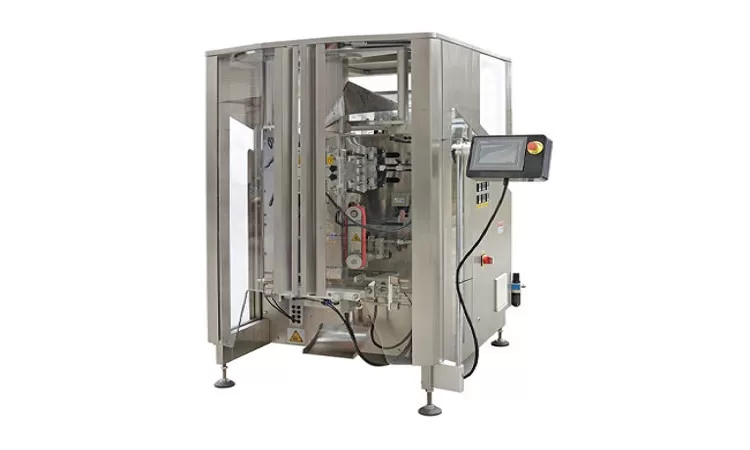
VFFS Equipment: The Ultimate Guide to Vertical Form Fill Seal Technology
13-03-2026 -
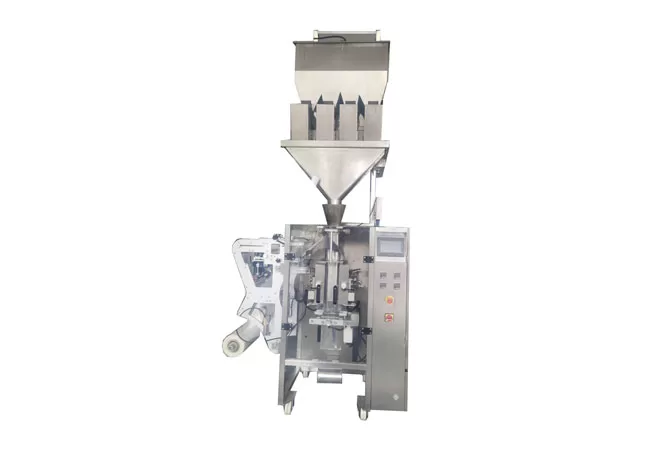
The Essential Guide to Weight Packing Machines for Precision Weighing
12-03-2026 -
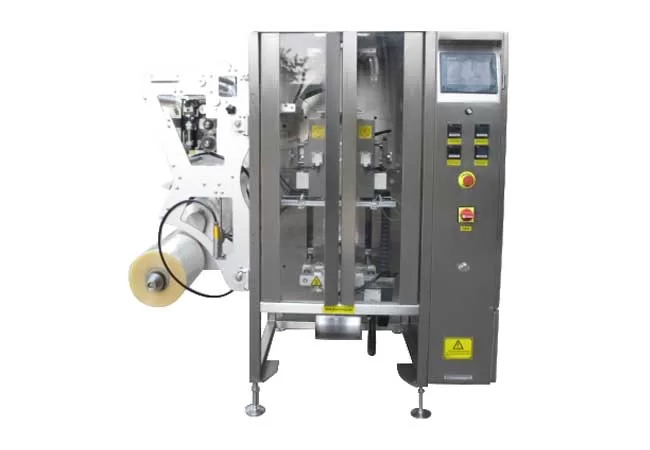
Power Packing Machine: The Ultimate Guide to Heavy-Duty Packaging Efficiency
11-03-2026 -
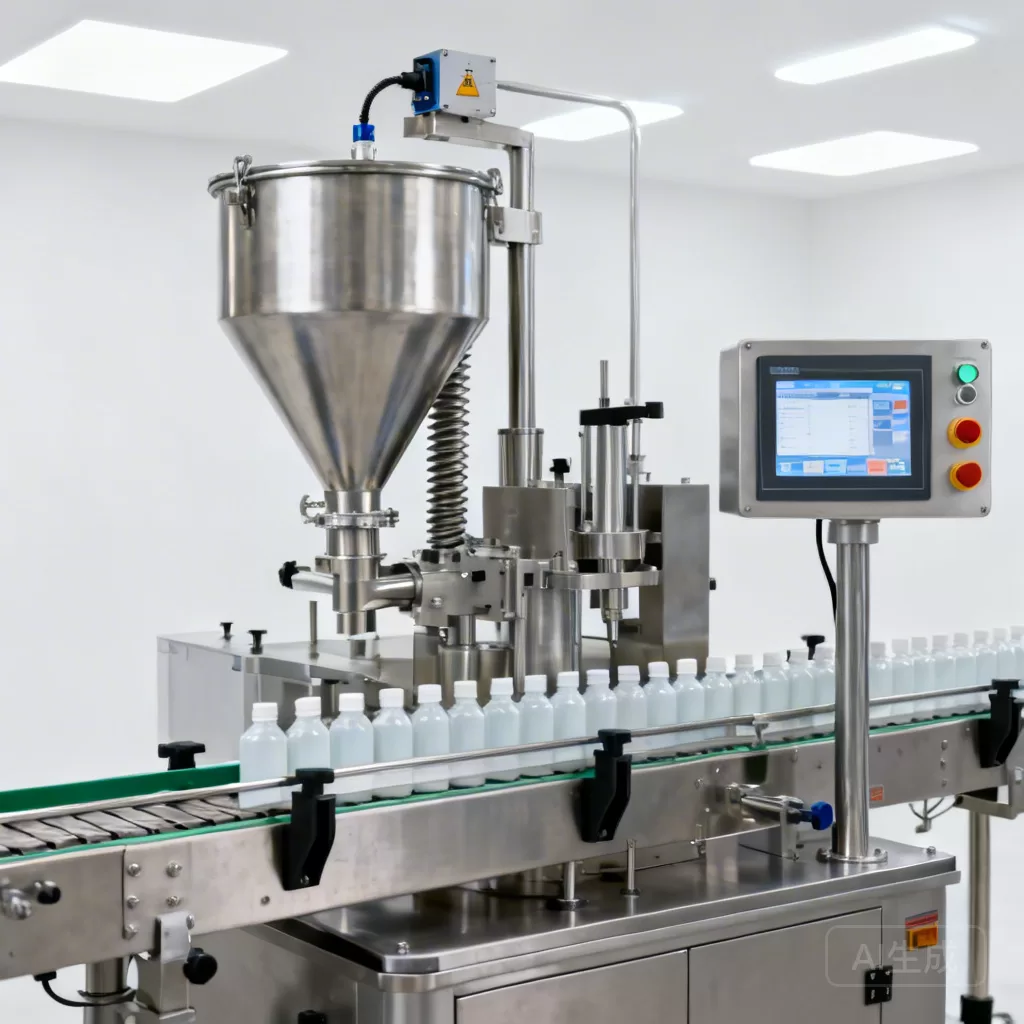
Weigher Packing Machine: The Definitive Guide to Precision Weighing & Packaging
10-03-2026 -
Auger Type Powder Filling Machine: The Ultimate Guide to Precision Packaging
09-03-2026 -
Advanced Packing Solutions: Snacks, Sugar, and Frozen Food Machines
29-10-2025 -
Efficient and Reliable Solutions for Salt, Nuts, and Frozen Dumplings Packing
29-10-2025 -
High-Performance Biscuits, Lollipop, and Ketchup Packing Machines for Modern Food Production
29-10-2025 -
Efficient Liquid Filling and Packing Machines for Modern Production
23-10-2025 -
Reliable Granule Packaging Machines for Efficient Production
23-10-2025
