
Exploring the Evolution of Map Systems Packaging
The Evolution of Map Systems Packaging
Maps have always played a crucial role in human civilization. From ancient cave paintings to intricate digital systems, maps have evolved significantly over time. One aspect of this evolution that often goes unnoticed is the packaging of these map systems. The way maps are packaged, stored, and delivered has a direct impact on their accessibility and usability. In this blog post, we delve into the history and advancements in map systems packaging.
Ancient Origins
Maps in the ancient world were primarily hand-drawn on materials like papyrus, clay tablets, and parchment. These maps were often rolled up or folded for storage and transport. The packaging was minimal, yet effective, considering the limited technology available at the time.
The Renaissance of Map Printing
With the invention of the printing press in the 15th century, maps became more widely available to the masses. This led to the development of map atlases, which required more sophisticated packaging. Cartographers started using leather bindings and wooden cases to protect their valuable maps.
The Digital Revolution
In the 20th century, map systems underwent a digital revolution with the advent of Geographic Information Systems (GIS). This revolutionized the way maps were created, stored, and accessed. Digital maps no longer needed physical packaging; instead, they required robust cloud storage and efficient distribution systems.
Modern Packaging Innovations
Today, map systems packaging has become more sophisticated than ever. Companies are developing smart packaging solutions that incorporate RFID technology for tracking and monitoring map shipments. Specialized packaging materials are used to protect delicate screens on devices that display digital maps.
Challenges and Future Trends
As map systems continue to evolve, so do the challenges associated with their packaging. Ensuring data security, optimizing packaging for sustainability, and streamlining distribution channels are some of the key challenges faced by map system developers. In the future, we can expect to see more eco-friendly packaging solutions and automated distribution processes for map systems.
Conclusion
In conclusion, the packaging of map systems has come a long way from ancient scrolls to digital interfaces. The evolution of map packaging reflects the advancements in technology and the changing needs of society. By understanding this evolution, we can better appreciate the complexity and importance of map systems in our modern world.


-
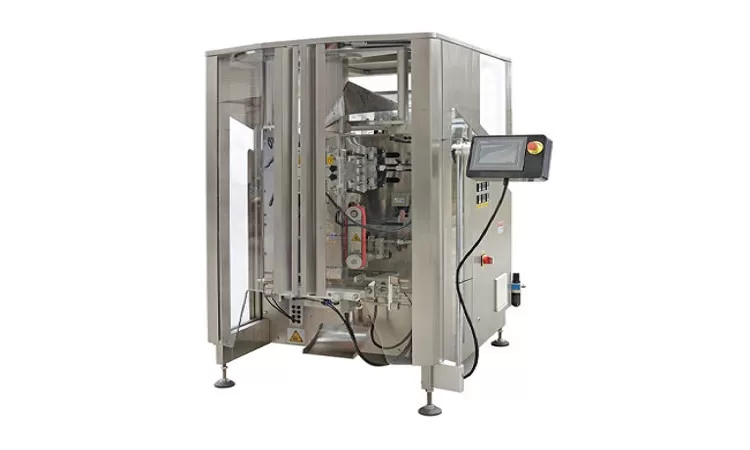
VFFS Equipment: The Ultimate Guide to Vertical Form Fill Seal Technology
13-03-2026 -
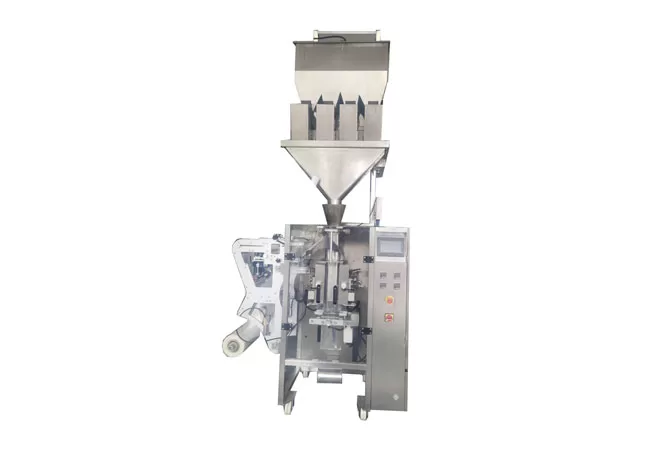
The Essential Guide to Weight Packing Machines for Precision Weighing
12-03-2026 -
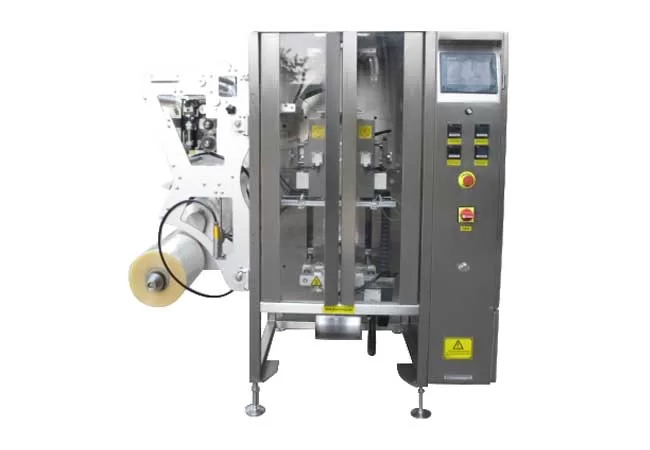
Power Packing Machine: The Ultimate Guide to Heavy-Duty Packaging Efficiency
11-03-2026 -
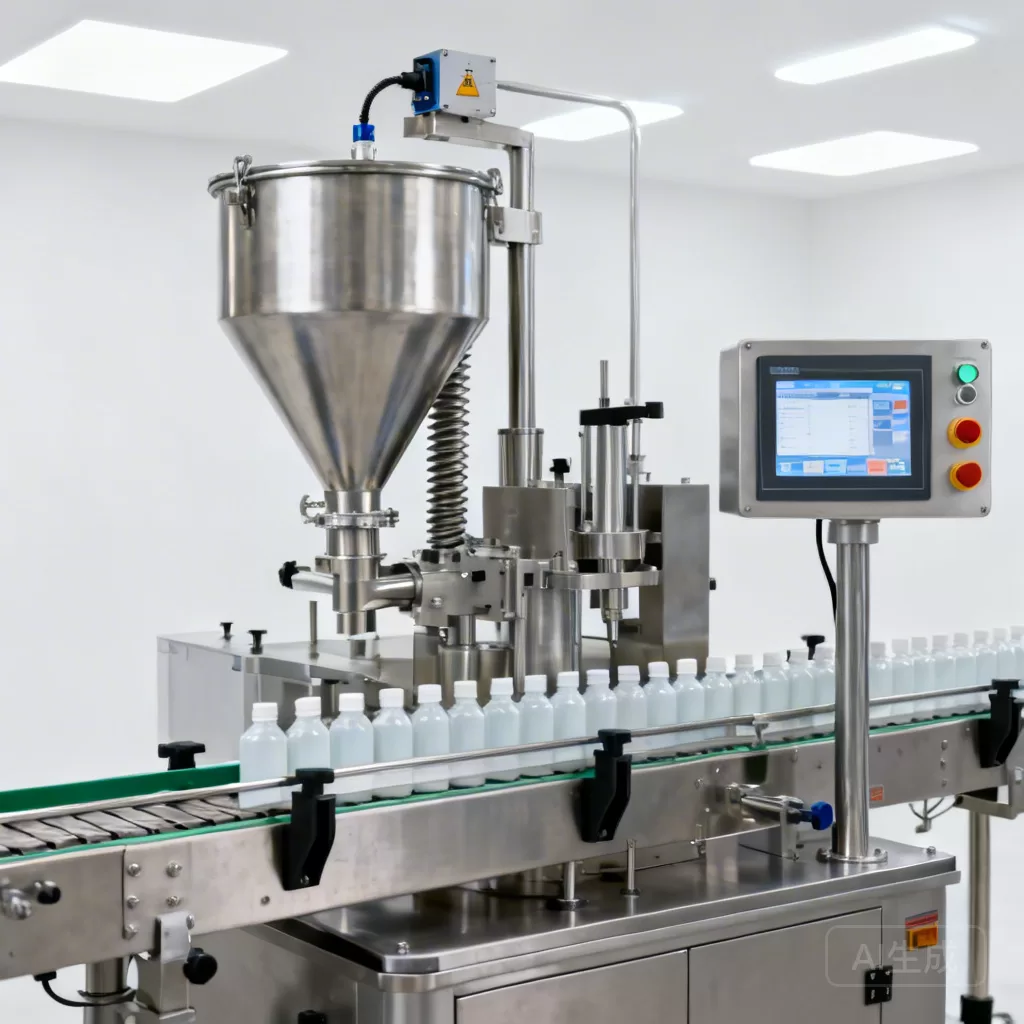
Weigher Packing Machine: The Definitive Guide to Precision Weighing & Packaging
10-03-2026 -
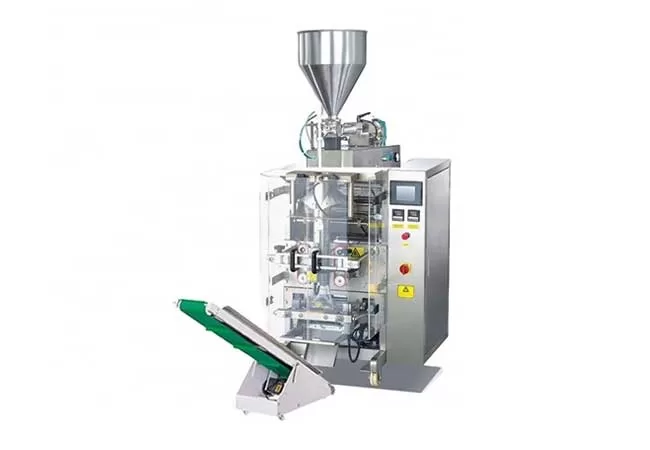
Auger Type Powder Filling Machine: The Ultimate Guide to Precision Packaging
09-03-2026 -
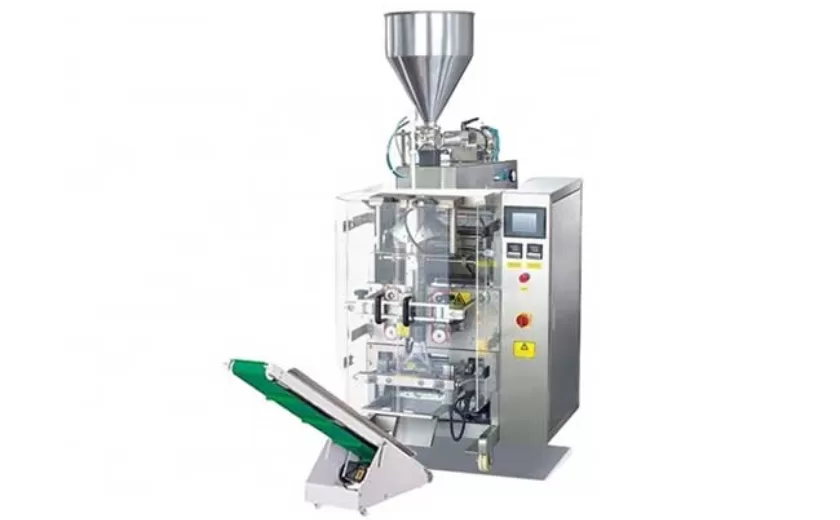
Advanced Packing Solutions: Snacks, Sugar, and Frozen Food Machines
29-10-2025 -
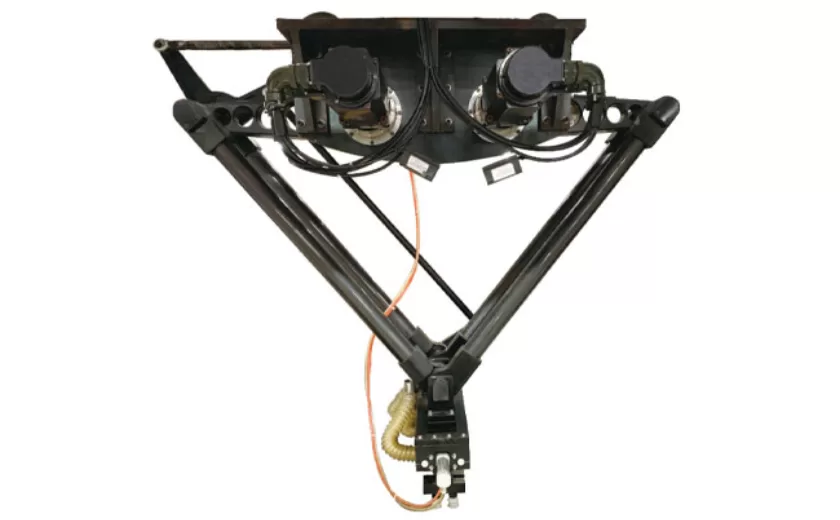
Efficient and Reliable Solutions for Salt, Nuts, and Frozen Dumplings Packing
29-10-2025 -
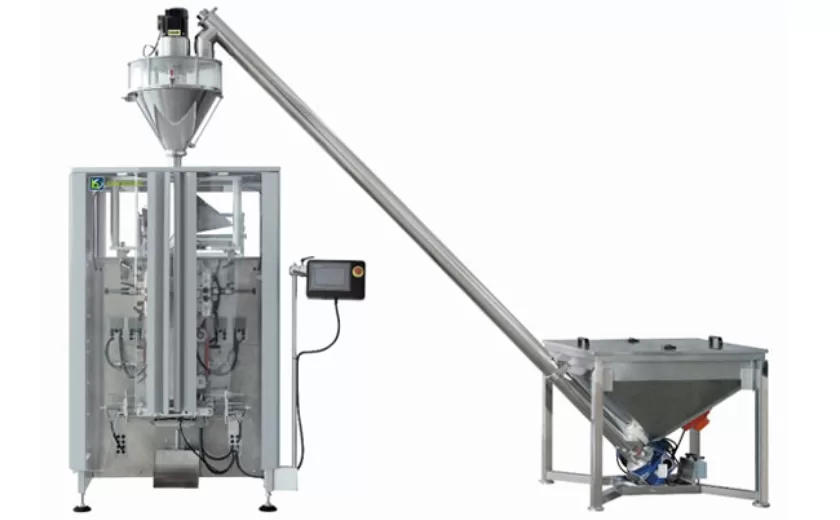
High-Performance Biscuits, Lollipop, and Ketchup Packing Machines for Modern Food Production
29-10-2025 -
Efficient Liquid Filling and Packing Machines for Modern Production
23-10-2025 -
Reliable Granule Packaging Machines for Efficient Production
23-10-2025
